
Case Background
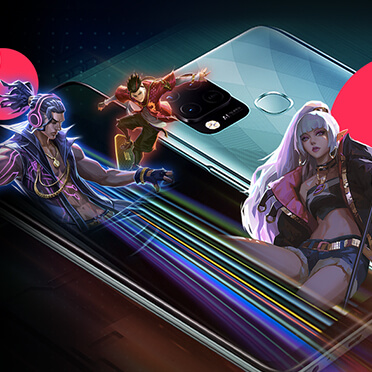
Infinix is a high-end internet mobile phone brand under Transsion Holdings, one of the "Top 50 Leading Chinese Tuke Brands", specially designed for young consumers. In May 2021, Infinix was about to launch the HOT 10S, a second co-branded phone with the popular mobile game "Mobile Legends: Bang Bang" (MLBB), targeting the Indonesian market. Infinix leveraged the popularity of the MLBB theme song and game characters, aiming to conduct in-depth localized marketing on Tuke.
Solution
To achieve this goal, Infinix partnered with Tuke and adopted a full-funnel "three-step" marketing strategy to boost the launch of the new product. During the pre-heating phase, Infinix invited four gaming review creators with millions of followers on the platform to use and test the new phone, leveraging resource sharing from Tuke Creator Marketplace. In the explosive phase, high-exposure Brand Takeover ads and One Day Max in-feed ads were used to gain maximum exposure for Infinix on the launch day, strongly driving traffic to the #infinixMLBBAntiLagLag challenge and custom stickers. Through influencer marketing and user co-creation, deep user interaction was achieved. After the commercial rights period of the brand challenge ended, Infinix cleverly utilized high-quality creative materials from influencers to continue running Tuke brand auction ads, maximizing reach to more potential users at a better CPM cost.
Marketing Results
This marketing campaign centered around the HOT 10S brand challenge achieved 1.8 billion video views and over 200 million interactions within three days of launch in the Indonesian market. Combined with follow-up in-feed ad retargeting, the total video exposure for the entire launch cycle exceeded 5.6 billion.
What this signal means for growth teams
This market signal should be treated as an operating prompt, not a standalone trend. The brand question is whether the team can connect TikTok content, creators, paid media, commerce readiness, and reporting into one measurable growth cycle.
Commercial read
- Market signal: TikTok marketing Case Studies
- Published: February 7, 2024
- Commercial lens: TikTok Ads, creators, TikTok Shop, live commerce, and reporting.
- Source transparency: the original source linked in this article
What brands should do next
- Identify the market, audience, product group, and KPI this signal could affect.
- Turn the insight into a small TikTok creative, creator, Shop, or paid media test before scaling spend.
- Add FAQ, offer clarity, product proof, and contact paths so traffic can convert instead of only reading.
- Review weekly performance across reach, click quality, Shop actions, creator output, and revenue impact.
Tuke Marketing helps brands connect TikTok Ads, creator partnerships, TikTok Shop operations, live commerce, and reporting into one accountable operating system.
What should brands do with this TikTok signal?
Brands should translate the signal into a focused operating test across creative, creators, TikTok Shop readiness, paid media, and reporting before increasing budget.
How does Tuke Marketing evaluate this kind of news?
Tuke Marketing reviews platform news through market timing, category demand, creator supply, commerce readiness, and measurable growth actions.
When should a team contact Tuke about this topic?
A team should contact Tuke when it needs to turn a TikTok market signal into a practical launch, creator, advertising, live commerce, or reporting plan.
Source transparency: Tuke cites the original source linked in this article and adds its own operating analysis for brands evaluating TikTok growth decisions.