
Case Background
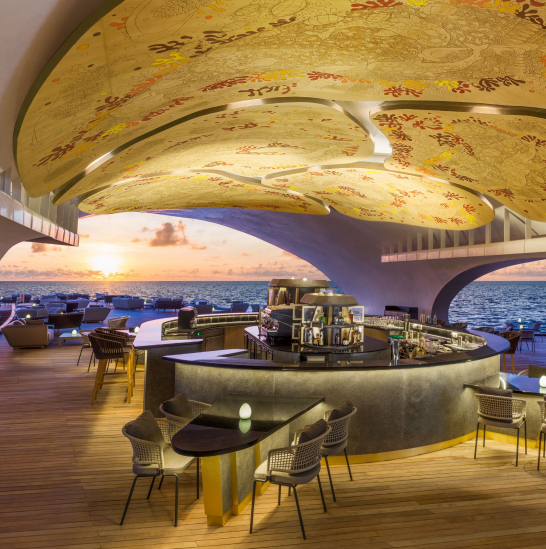
To enhance the visibility of its multiple hotels in overseas markets and attract more international tourists to book, Marriott Hotel Group needed a more convincing brand communication approach. Facing overseas market competition, Marriott chose an integrated marketing model combining offline experience and online seeding, inviting overseas influencers for a 6-day, 5-night in-depth experience covering hotels in Shanghai, Suzhou, and Nanjing, achieving global seeding and brand voice enhancement.
Solution
Invite overseas influencers for a 6-day, 5-night in-depth experience covering hotels in Shanghai, Suzhou, and Nanjing. The specific strategies are as follows:
Invite influencers in the overseas travel/lifestyle field to participate in the experience, precisely matching Marriott's target audience. Through the influencers' perspectives, authentically document the stay experience, leveraging their overseas fans' trust endorsement to achieve global brand seeding.
A 6-day, 5-night experience route covering Shanghai, Suzhou, and Nanjing, connecting different Marriott brand hotels. From urban bustle to Jiangnan water towns, it showcases Marriott's service quality and integration with local culture from multiple dimensions.
Content creation from the influencers' perspective, widely distributed and seeded on overseas social media. Through various forms of content such as short videos and illustrated notes, it authentically presents the stay experience, surrounding exploration, and city culture, stimulating overseas users' travel and booking intentions.

Marketing Results
Transform offline experience into global online content seeding, effectively enhancing the brand's overseas market appeal and booking intentions. Through the trinity strategy of precise influencer invitation, multi-city route design, and influencer content creation, Marriott successfully generated hundreds of thousands of exposures and a large number of inquiries, achieving a dual improvement in brand overseas voice and booking conversion.
What this signal means for growth teams
This market signal should be treated as an operating prompt, not a standalone trend. The brand question is whether the team can connect TikTok content, creators, paid media, commerce readiness, and reporting into one measurable growth cycle.
Commercial read
- Market signal: TikTok marketing Case Studies
- Published: July 14, 2026
- Commercial lens: TikTok Ads, creators, TikTok Shop, live commerce, and reporting.
- Source transparency: the original source linked in this article
What brands should do next
- Identify the market, audience, product group, and KPI this signal could affect.
- Turn the insight into a small TikTok creative, creator, Shop, or paid media test before scaling spend.
- Add FAQ, offer clarity, product proof, and contact paths so traffic can convert instead of only reading.
- Review weekly performance across reach, click quality, Shop actions, creator output, and revenue impact.
Tuke Marketing helps brands connect TikTok Ads, creator partnerships, TikTok Shop operations, live commerce, and reporting into one accountable operating system.
What should brands do with this TikTok signal?
Brands should translate the signal into a focused operating test across creative, creators, TikTok Shop readiness, paid media, and reporting before increasing budget.
How does Tuke Marketing evaluate this kind of news?
Tuke Marketing reviews platform news through market timing, category demand, creator supply, commerce readiness, and measurable growth actions.
When should a team contact Tuke about this topic?
A team should contact Tuke when it needs to turn a TikTok market signal into a practical launch, creator, advertising, live commerce, or reporting plan.
Source transparency: Tuke cites the original source linked in this article and adds its own operating analysis for brands evaluating TikTok growth decisions.