
Case Background
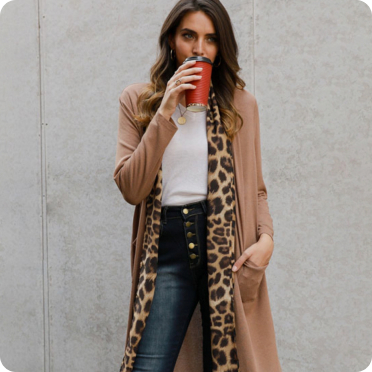
StyleWe, a global leading internet cross-border e-commerce brand focusing on fashionable women's clothing, has launched a B2C-oriented cross-border e-commerce platform targeting the US market since its establishment in 2015, providing consumers with uniquely styled apparel products. To further expand its brand awareness and increase product sales in the US market, StyleWe began self-managed advertising. During this period, the order conversion effect did not meet expectations, so in March 2022, they chose to cooperate with the Tuke for Business team, hoping to improve ROAs and drive more order conversions while controlling costs.
Solution
To achieve the above advertising goals, the Tuke for Business team suggested that StyleWe use the Campaign Budget Optimization (CBO) product for a stable 7-day campaign, combining budget optimization with the lowest cost bidding strategy. Under strict cost control, this product automatically allocates more budget to ad groups with lower costs and better conversion results, helping StyleWe save manpower in budget allocation and bid adjustment, while ensuring smooth budget consumption and achieving better overseas advertising results.
In addition, to more intuitively compare the effects of CBO and the general Lowest Cost plan, StyleWe simultaneously set up a Lowest Cost bidding plan during the Tuke campaign and compared the results of the two products. In the end, whether it was cost per purchase (CPP) or final order conversion, the CBO ad product outperformed the Lowest Cost plan.
Marketing Effect
Under the premise of strictly controlling test variables, compared to the Lowest Cost ad product, using the CBO product for advertising successfully helped StyleWe increase the number of order conversions by 50%, reduce cost per purchase by 12.1%, and improve ROAs all cap by 54.1%.
What this signal means for growth teams
This market signal should be treated as an operating prompt, not a standalone trend. The brand question is whether the team can connect TikTok content, creators, paid media, commerce readiness, and reporting into one measurable growth cycle.
Commercial read
- Market signal: TikTok marketing Case Studies
- Published: February 7, 2024
- Commercial lens: TikTok Ads, creators, TikTok Shop, live commerce, and reporting.
- Source transparency: the original source linked in this article
What brands should do next
- Identify the market, audience, product group, and KPI this signal could affect.
- Turn the insight into a small TikTok creative, creator, Shop, or paid media test before scaling spend.
- Add FAQ, offer clarity, product proof, and contact paths so traffic can convert instead of only reading.
- Review weekly performance across reach, click quality, Shop actions, creator output, and revenue impact.
Tuke Marketing helps brands connect TikTok Ads, creator partnerships, TikTok Shop operations, live commerce, and reporting into one accountable operating system.
What should brands do with this TikTok signal?
Brands should translate the signal into a focused operating test across creative, creators, TikTok Shop readiness, paid media, and reporting before increasing budget.
How does Tuke Marketing evaluate this kind of news?
Tuke Marketing reviews platform news through market timing, category demand, creator supply, commerce readiness, and measurable growth actions.
When should a team contact Tuke about this topic?
A team should contact Tuke when it needs to turn a TikTok market signal into a practical launch, creator, advertising, live commerce, or reporting plan.
Source transparency: Tuke cites the original source linked in this article and adds its own operating analysis for brands evaluating TikTok growth decisions.