
Case Background
WIKO was founded in 2011 and is a French technology brand focused on mobile phones and the Internet of Things, with products covering Europe, Middle East & Africa, Asia-Pacific, and Latin America markets. In 2022, WIKO accelerated its globalization and entered China for the first time.
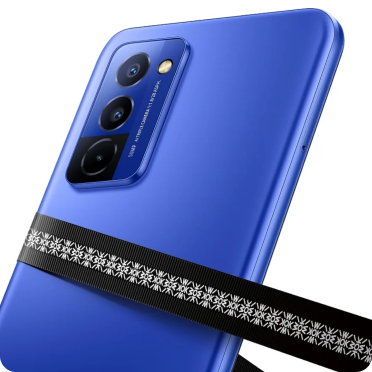
In September 2022, the new mobile phone WIKO 10 made its global debut in the Philippines. The brand not only wanted to increase sales of the new product, but also hoped to convey a "trendy and cool attitude" to consumers and attract the attention and favor of Generation Z consumers. The brand chose Tuke as the breakout platform, using entertainment marketing to enhance brand premium, capture user attention, rapidly expand WIKO's public awareness, and directly increase new product sales through live streaming and advertising products.
Solution
WIKO closely aligns with the style of local young users, playing with brand challenges. The stickers and music used were created by the WIKO PH team, and the new-generation girl group G22 was invited to participate in music arrangement and choreography design, making good use of local influencer and creative resources. "WIKO Beat + WIKO Dance + WIKO Gestures" fully embedded brand symbols into the challenge, driving nationwide participation among target users.
To further activate traffic, the brand extended the Tuke challenge to offline spaces. On September 25, the G22 girl group performed the challenge dance track at a mall event, promoted the mobile phone prize mechanism, and encouraged the audience to scan codes to participate, achieving online and offline traffic integration and forming a closed loop.
Marketing Results
On September 23, the #WeCoolWithWIKO challenge officially launched, with music usage exceeding the benchmark by three times, total views reaching 300 million, and WIKO Philippines' official account gaining 19.9K new followers.
From September 23 to 26, Reach & Frequency ads reached up to 12 million people per ad.
What this signal means for growth teams
This market signal should be treated as an operating prompt, not a standalone trend. The brand question is whether the team can connect TikTok content, creators, paid media, commerce readiness, and reporting into one measurable growth cycle.
Commercial read
- Market signal: TikTok marketing Case Studies
- Published: January 26, 2024
- Commercial lens: TikTok Ads, creators, TikTok Shop, live commerce, and reporting.
- Source transparency: the original source linked in this article
What brands should do next
- Identify the market, audience, product group, and KPI this signal could affect.
- Turn the insight into a small TikTok creative, creator, Shop, or paid media test before scaling spend.
- Add FAQ, offer clarity, product proof, and contact paths so traffic can convert instead of only reading.
- Review weekly performance across reach, click quality, Shop actions, creator output, and revenue impact.
Tuke Marketing helps brands connect TikTok Ads, creator partnerships, TikTok Shop operations, live commerce, and reporting into one accountable operating system.
What should brands do with this TikTok signal?
Brands should translate the signal into a focused operating test across creative, creators, TikTok Shop readiness, paid media, and reporting before increasing budget.
How does Tuke Marketing evaluate this kind of news?
Tuke Marketing reviews platform news through market timing, category demand, creator supply, commerce readiness, and measurable growth actions.
When should a team contact Tuke about this topic?
A team should contact Tuke when it needs to turn a TikTok market signal into a practical launch, creator, advertising, live commerce, or reporting plan.
Source transparency: Tuke cites the original source linked in this article and adds its own operating analysis for brands evaluating TikTok growth decisions.