
Case Background
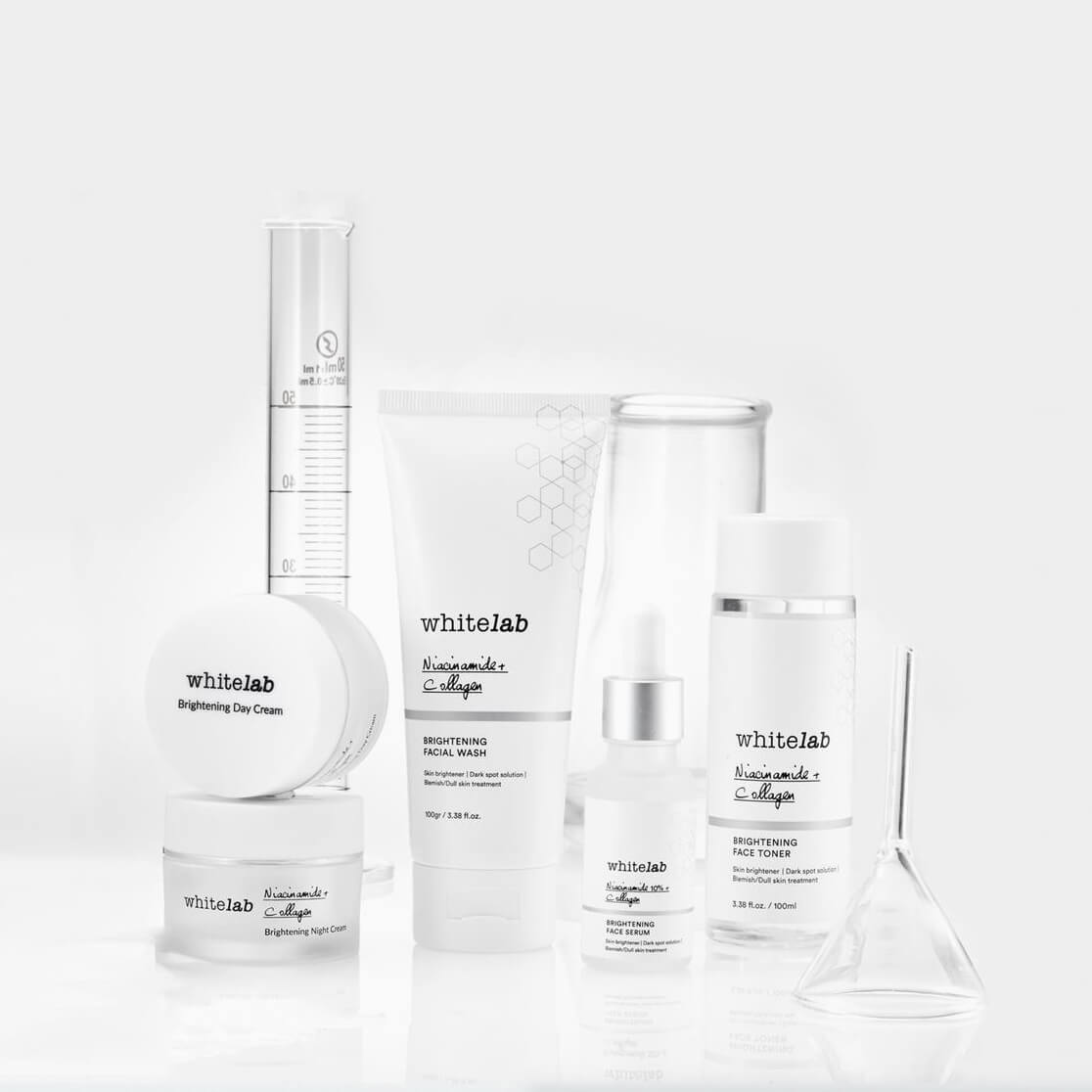
Indonesian skincare brand Whitelab is undergoing a revamp of its brand packaging and product ingredients. As part of the upgrade, Whitelab hopes to reintroduce itself to consumers through the Mega Sales shopping festival, and leverage the Double 11 event to generate more buzz and sales momentum for Whitelab.
Solution
Whitelab set up a full-funnel advertising strategy to target objectives from front-end user reach to back-end sales conversion, precisely recommending products to potential target users. The campaign started with in-feed ads aimed at exposure, then used Video Shopping Ads (VSA) and Live Shopping Ads (LSA) to drive conversions, continuously testing different types of creatives to improve delivery efficiency.
To enhance credibility, the brand focused on highlighting product claims with clinical trial evidence and educational content about different skincare ingredients in its creatives. To reach a wider target audience and communicate better, Whitelab insisted on 24/7 live streaming during the major promotion, using LSA to drive traffic to the livestream, and offering trial-size products to increase the possibility of conversion. Users could seamlessly place orders directly on Whitelab's Tuke Shop by clicking on product cards in the video creatives or livestream videos.
Marketing Results
In the end, thanks to the full-funnel advertising strategy, Whitelab's GMV during the 11.11 Mega Sales event increased by 58% compared to the previous period. The in-feed ads aimed at exposure achieved 5.3 million impressions, effectively reaching 2.5 million users. Meanwhile, the ROAS of campaigns using VSA and LSA increased by 3.5 times, with an average CVR of 3.1%. This time on Tuke, Whitelab not only engaged deeply with users but also laid a solid foundation for its long-term business growth.
What this signal means for growth teams
This market signal should be treated as an operating prompt, not a standalone trend. The brand question is whether the team can connect TikTok content, creators, paid media, commerce readiness, and reporting into one measurable growth cycle.
Commercial read
- Market signal: TikTok marketing Case Studies
- Published: January 26, 2024
- Commercial lens: TikTok Ads, creators, TikTok Shop, live commerce, and reporting.
- Source transparency: the original source linked in this article
What brands should do next
- Identify the market, audience, product group, and KPI this signal could affect.
- Turn the insight into a small TikTok creative, creator, Shop, or paid media test before scaling spend.
- Add FAQ, offer clarity, product proof, and contact paths so traffic can convert instead of only reading.
- Review weekly performance across reach, click quality, Shop actions, creator output, and revenue impact.
Tuke Marketing helps brands connect TikTok Ads, creator partnerships, TikTok Shop operations, live commerce, and reporting into one accountable operating system.
What should brands do with this TikTok signal?
Brands should translate the signal into a focused operating test across creative, creators, TikTok Shop readiness, paid media, and reporting before increasing budget.
How does Tuke Marketing evaluate this kind of news?
Tuke Marketing reviews platform news through market timing, category demand, creator supply, commerce readiness, and measurable growth actions.
When should a team contact Tuke about this topic?
A team should contact Tuke when it needs to turn a TikTok market signal into a practical launch, creator, advertising, live commerce, or reporting plan.
Source transparency: Tuke cites the original source linked in this article and adds its own operating analysis for brands evaluating TikTok growth decisions.