
In recent years, in more and more categories, star brands that possess numerous advantageous resources have begun to lose ground, constantly being challenged by various emerging small brands.In 2020, the emerging brand Shapermint, which had only a few thousand followers on social media, actually defeated Skims, founded by Kim Kardashian with billions of traffic, and topped the U.S. shapewear sales chart.
This result not only shocked the industry, but also announced the unlimited possibilities of DTC (Direct-to-Consumer) brands in niche sectors.

Image source:Shapermint
Now,Shapermint has captured 20% of the U.S. women's shapewear market share and has won the Best Seller for several "Shapewear" series products on Amazon.
According to the latest market monitoring data,Shapermint's official website is expected to reach online sales of $115.6 million in 2025, with a year-on-year growth rate stabilizing in the 20%-50% range; looking ahead to 2026, its revenue is expected to maintain this rapid growth momentum, and the growth driver may further accelerate.
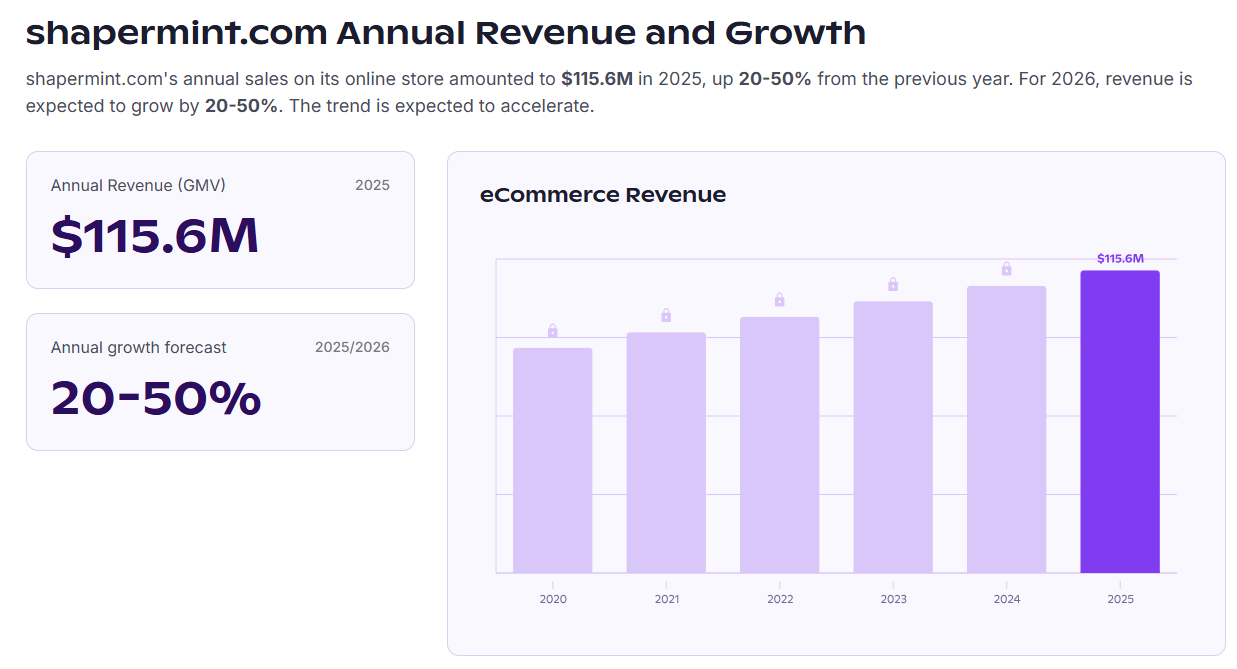
Image source:gripsintelligence
Data-driven college students’"counter-intuitive" judgment
The founder of Shapermint is named Massimiliano Tirocchi. In 2018, when he and his partner founded this brand, he had just turned 24.
While still in college, he began studying the purchasing decision data of his early entrepreneurial projects and found that shapewear items such as camisoles and leggings had obvious market demand. He spent two full years doing research, writing reports, and looking for investors before officially entering the shapewear track.
Moreover, before this,Tirocchi had already had an entrepreneurial experience. In 2012, at the age of 18, he founded Bloglea, a website consisting of 15 Spanish-language blogs, which made profits through advertising. Several co-founders could earn $10,000 to $30,000 per month. This experience allowed him to understand the basic logic of traffic monetization ahead of time and laid the cognitive foundation for Shapermint's later marketing tactics.
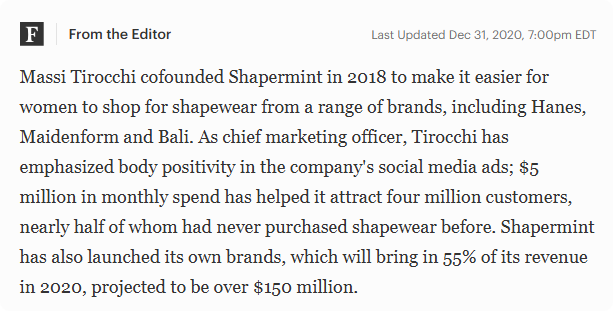
Image source:forbes
Shapermint's brand growth strategy can be summarized as a combination of "low price + strong marketing + data-driven". Public data shows that the brand's core product Empetua is priced at about $27.99, while comparable products on the market at that time were priced around $68.
The price advantage, combined with precise content placement, allowed the brand's revenue to grow by73% in the first two years after its establishment. By 2020, the brand's annual revenue had reached about $150 million, the number of customers had grown to about 4.4 million, and its market share accounted for 20% of the U.S. shapewear market.
Now,Shapermint still maintains its Best Seller status for several "Shapewear" series products on Amazon.
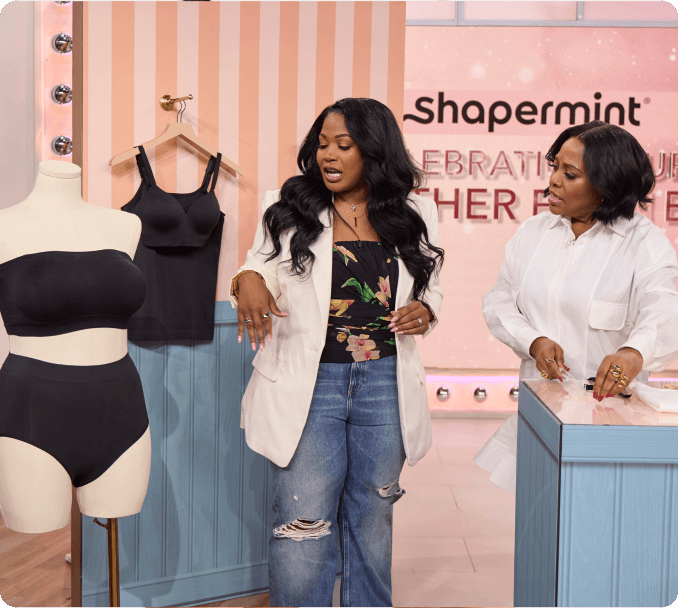
Image source:Shapermint
Shapermint's Short Video Growth Code
In the early days, Shapermint's marketing budget was highly concentrated on Facebook and Instagram, with up to 80% of the marketing budget spent on these two platforms. The in-house creative team produced 100 to 200 ad creatives per week, and daily ad spending on Facebook exceeded $100,000.
But platform dividends will diminish, and the marginal benefit of the big-budget advertising model will eventually decrease.Shapermint quickly realized that the real brand moat is not burning money on ads, but building a content ecosystem around the brand.
Therefore,Shapermint's core strategy is definitely not "making a few short videos and trying their luck", but establishing a systematic, multi-dimensional influencer content matrix.
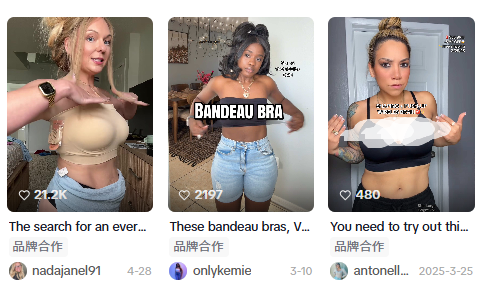
Image source:TikTok
OnTikTok, topics such as #straplessbra and #bandeau continue to rise in popularity, with billions of views.
Shapermint keenly captured the content marketing potential of bandeau bras on this platform, not only actively connecting with TikTok influencers, but more importantly, building an influencer matrix covering different identities, body types, and dressing styles.
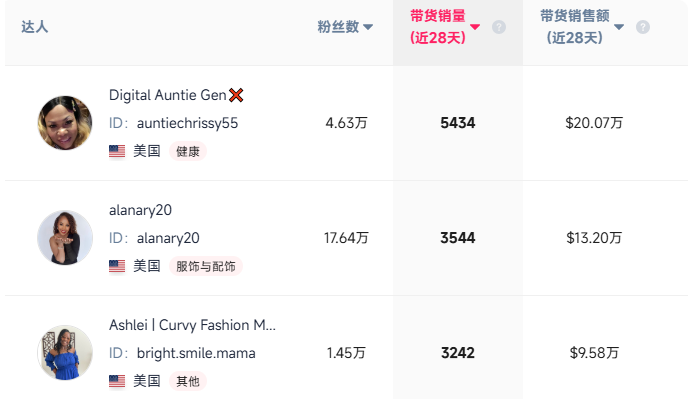
Image source:fastmoss
As shown below, in terms of influencer type distribution, the influencers cooperating with the brand mainly cover apparel & accessories, health, beauty, public figures, home/furniture & appliances, and other categories; among them, apparel & accessories influencers dominate in sales volume and revenue, while health and beauty influencers also contribute considerable sales data.
The commonality among these influencers is: they are not the perfect models in traditional ads, but show traces of real life familiar to the audience, demonstrating the effect of wearing the product.
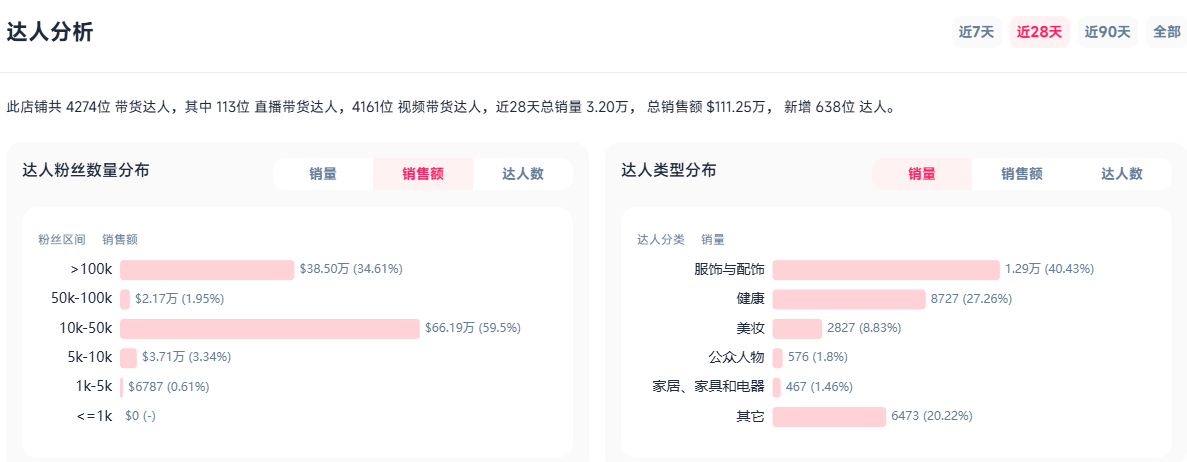
Image source:fastmoss
For example, a short video shot by influencer @ms_sarahlouise, who calls herself a"big cup mom", shows her trying on Shapermint's bandeau bra: intense exercise, jumping, turning, and the bandeau does not slip or shift.
The influencer bluntly says in the video:"This bra really changed the way I dress!" This video received over 4 million views in two weeks, directly driving nearly $110,000 in sales.

Image source:TikTok
Even more convincing is the brand's sales performance onTikTok Shop.
In the past30 days, the same Shapermint bandeau bra sold 29,100 units on TikTok Shop US, with GMV exceeding $963,400.
This product has been on the shelf for only half a year, with cumulative sales close to62,000 units and total GMV exceeding $2,031,400.
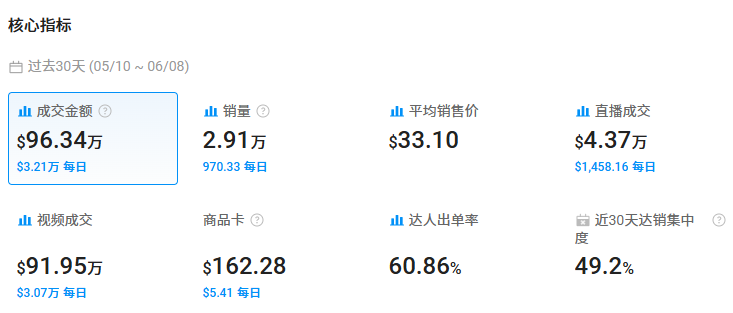
Image source:kalodata
In the women's clothing track, the simple"low price + mass listing" model no longer works. Consumers are no longer satisfied with being pushed products; they need to see "what it looks like when someone like me wears this piece of clothing".
Shapermint has successfully moved the product from "being seen" to "being trusted" through authentic influencer try-on videos, ultimately completing the purchase decision. This approach of "precise audience + scenario-based content + product innovation" essentially turns content into the most efficient channel.
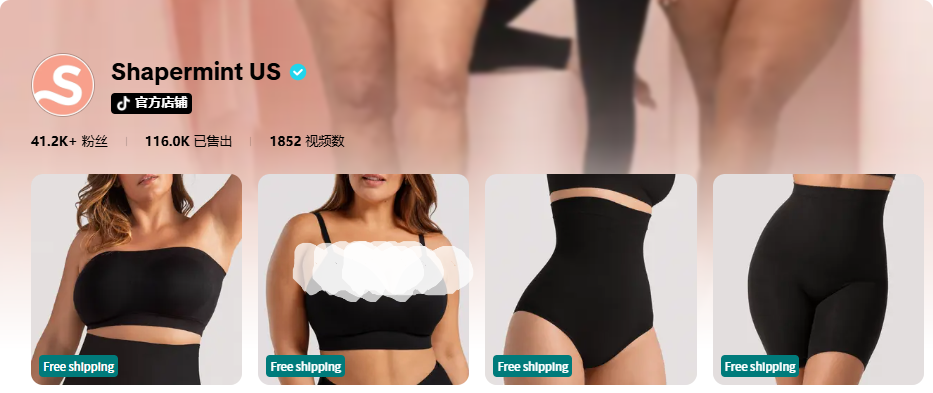
Image source:kalodata
The Shapewear Track is Being Redefined
In addition to its operations on platforms,Shapermint's rapid rise is also largely due to its accurate grasp of the industry's turning point.
Shapewear is no longer the traditional"tight corset that makes it hard to breathe". Modern consumers' demand for shapewear is shifting from "extreme compression curves" to "comfortable contouring". According to Fortune Business Insights, the global shapewear market size will reach $2.99 billion in 2025 and is expected to grow to $6.03 billion by 2034, with a compound annual growth rate of about 8.09%. The North American market accounts for about 32% of the global share.
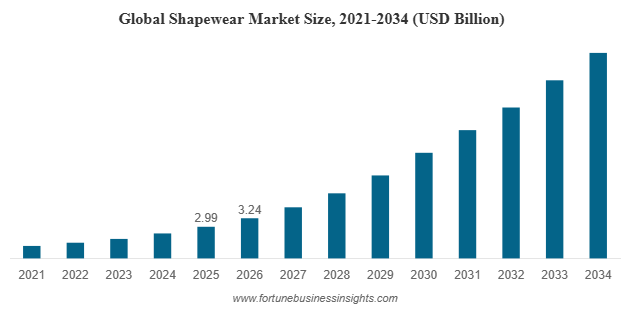
Image source:fortune business insights
Industry reports also show that breathable fabrics, seamless design, and inclusive sizing have become the main directions for product upgrades. The purpose of consumers buying shapewear is no longer to hide their bodies, but"to show off natural curves in a way that feels comfortable to themselves".
Meanwhile, the U.S. shapewear market attaches much more importance to size inclusivity than other regions, and consumers' multiple demands for"function + comfort + appearance" give data-driven brands like Shapermint great space to grow.
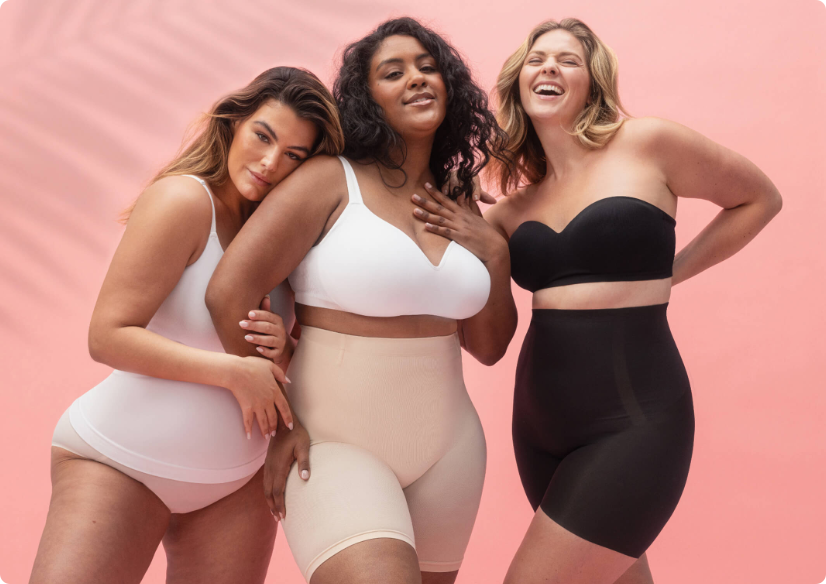
Image source:Shapermint
Conclusion
Shapermint's success provides a lot of valuable references for domestic companies' Tuke strategies. To be honest, the overseas market has never been a place where you can make money just by listing products; the competition has long evolved from price wars to content wars and brand wars. The key is whether you can find your own best entry point.
For Chinese brands today, the threshold for Tuke is getting lower, but the ceiling is also rising.TikTok, independent sites, and Amazon have already built the infrastructure to reach global consumers. The rest is whether you can deliver truly compelling products and content. Rather than fighting price wars in the domestic stock market, it's better to explore the incremental markets outside. If you choose the right direction, the road won't be far.
What this signal means for growth teams
This market signal should be treated as an operating prompt, not a standalone trend. The brand question is whether the team can connect TikTok content, creators, paid media, commerce readiness, and reporting into one measurable growth cycle.
Commercial read
- Market signal: TikTok marketing tips - short video marketing methods
- Published: June 12, 2026
- Commercial lens: TikTok Ads, creators, TikTok Shop, live commerce, and reporting.
- Source transparency: the original source linked in this article
What brands should do next
- Identify the market, audience, product group, and KPI this signal could affect.
- Turn the insight into a small TikTok creative, creator, Shop, or paid media test before scaling spend.
- Add FAQ, offer clarity, product proof, and contact paths so traffic can convert instead of only reading.
- Review weekly performance across reach, click quality, Shop actions, creator output, and revenue impact.
Tuke Marketing helps brands connect TikTok Ads, creator partnerships, TikTok Shop operations, live commerce, and reporting into one accountable operating system.
What should brands do with this TikTok signal?
Brands should translate the signal into a focused operating test across creative, creators, TikTok Shop readiness, paid media, and reporting before increasing budget.
How does Tuke Marketing evaluate this kind of news?
Tuke Marketing reviews platform news through market timing, category demand, creator supply, commerce readiness, and measurable growth actions.
When should a team contact Tuke about this topic?
A team should contact Tuke when it needs to turn a TikTok market signal into a practical launch, creator, advertising, live commerce, or reporting plan.
Source transparency: Tuke cites the original source linked in this article and adds its own operating analysis for brands evaluating TikTok growth decisions.