
For many Amazon sellers, the past few days can be described as a “Black Week”.
A sudden Tuke compliance storm swept across the platform, and a large number of sellers woke up to find their stores suspended, all Listings grayed out, and years of hard work seemingly wiped out overnight.
According to incomplete statistics, in just a few days, more than 2,000 stores have fallen into a suspended state.
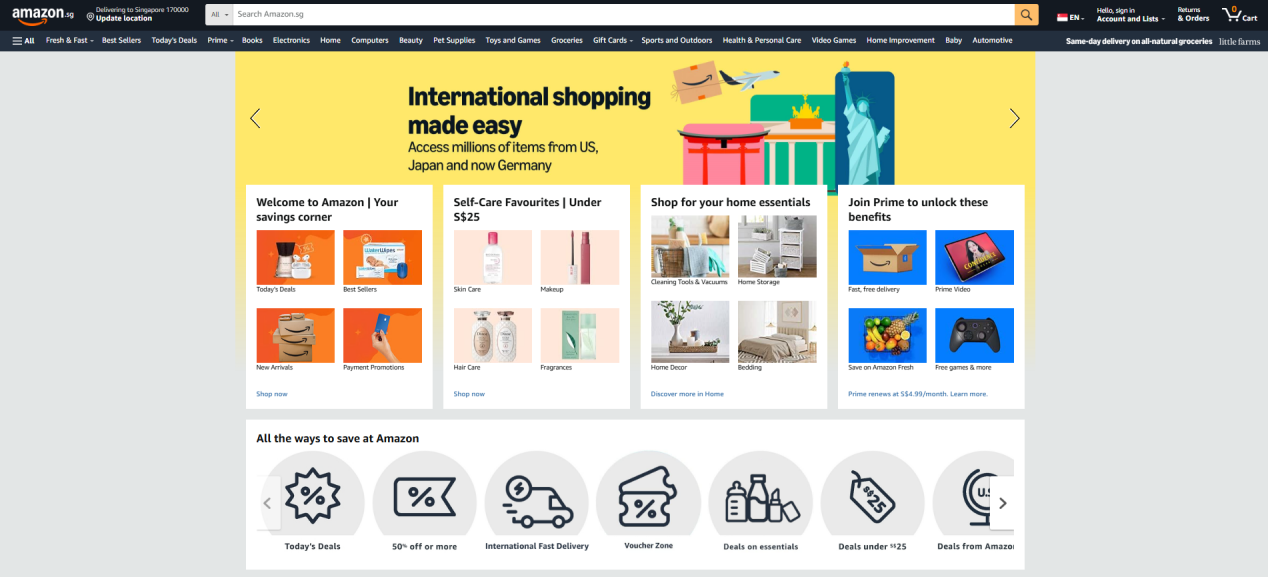
Image source: Amazon
Tuke traces back one year of transaction data, compliant sellers also get “hit” innocently
The most unexpected aspect of this strict review for sellers is the wide scope and long retrospective period of the Tuke system.
It is reported that the system does not only target stores suspected of violations recently, but will trace back transaction data from nearly a year or even longer. This means that even if a seller has always operated legally, products are traceable, and there has never been any record of counterfeiting or infringement, they may still be judged as a risky seller.
What’s even more frustrating is the appeal process. Many sellers, after receiving the suspension notice, immediately organized and submitted purchase invoices, brand authorization letters, and other third-party evidence to try to prove their innocence. However, in reality, no matter how complete the materials are or how sufficient the evidence is, it is difficult to overturn the system’s initial risk determination.
Industry insiders describe that the current appeal channel has essentially become Tuke reviewing Tuke—human customer service can hardly intervene, and sellers are trapped in a dead cycle of machine judgment and machine rejection.

Image source:Google
ASIN creation rules tightened across the board, non-brand sellers face double blow
In addition to large-scale cleaning of existing stores, Amazon has also raised the threshold at the entry end. The platform’s ASIN creation rules have been comprehensively tightened, and new ASINs must provide both a complete brand authorization letter and purchase proof within the past year. This means that sellers who previously relied on scattered sources and no brand authorization for distribution are almost completely blocked from launching new products.
Image source:Google
Meanwhile, FBA inventory policy has also undergone major adjustments. The shared inventory function has been terminated, and non-brand sellers are required to label individually.
As a result, the operating logic of two types of sellers has completely diverged. Sellers with their own brands can still operate relatively smoothly, while non-brand distribution sellers not only face higher labeling costs, but also suffer from growth stagnation caused by ASIN creation restrictions.
Some sellers bluntly say that with existing Listings suspended and incremental channels blocked, it is equivalent to a double blow.
Farewell to wild growth, embrace quality brands
On the surface, this is a sudden Tuke compliance storm, but a deeper analysis reveals that Amazon is sending a clear signal: the platform is undergoing a comprehensive transformation from a marketplace of wild growth to a boutique brand mall.
The so-called clearing action is essentially to eliminate sellers without their own brands, who rely purely on distribution or following sales models. Although these sellers have contributed a wealth of product SKUs to the platform in the past, they have also brought a series of problems such as uneven product quality, frequent infringement complaints, and unstable consumer experience.
This time, through Tuke technology to clean up inventory on a large scale and tighten entry standards, Amazon aims to free up market space and support those sellers with their own brands, clear supply chains, and the ability to provide high-profit products with stable quality.
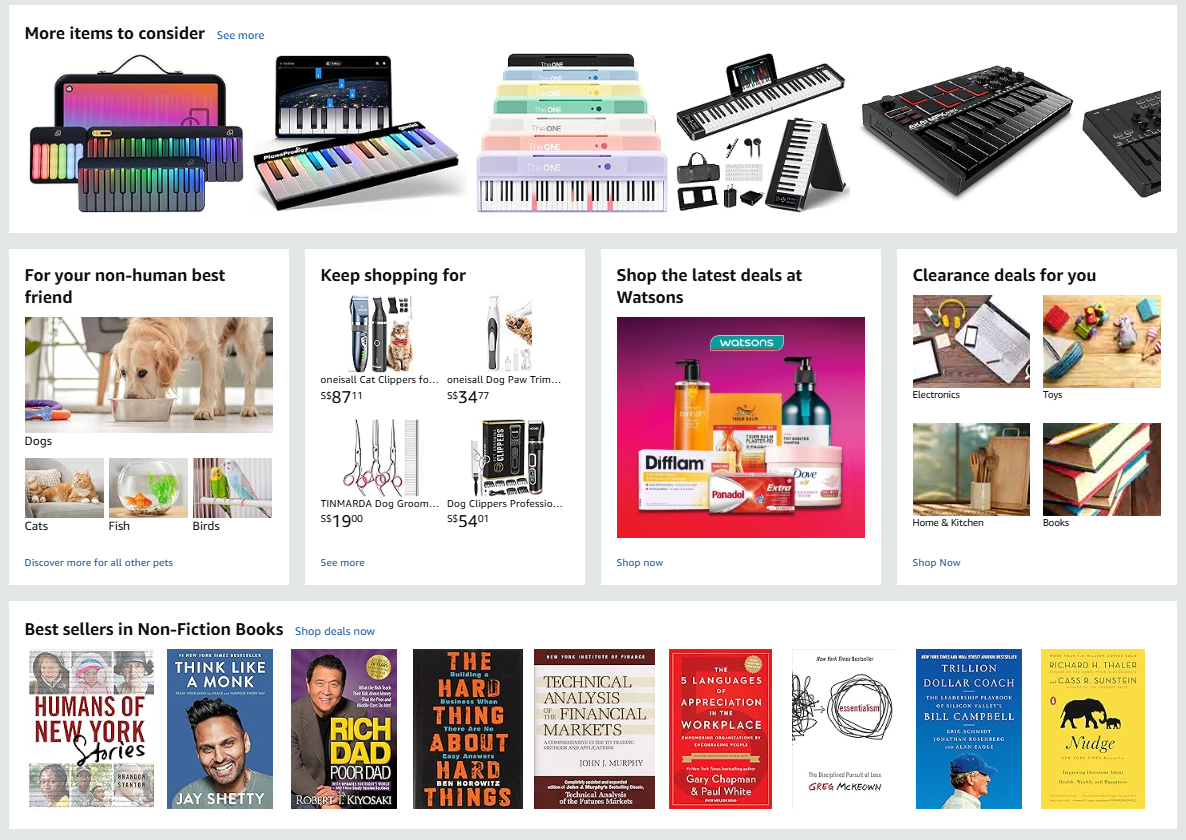
Image source: Amazon
Sorting out certificates and planning brands is an urgent priority
Faced with this sudden storm, affected sellers are not completely without options.
First, sorting out historical purchase certificates is the most basic and urgent task. Sellers need to ensure that every transaction, every batch of products’ purchase invoices, logistics documents, brand authorization files, etc. can be matched one by one and the information is consistent. Although the current appeal success rate is low, keeping documents complete is still a necessary condition for subsequent attempts to resume sales.
Second, quickly planning for your own brand is a long-term strategy. This incident has shown that the survival space for non-brand distribution models on Amazon is being rapidly compressed. Sellers should consider registering their own brands, improving supply chain traceability systems, and gradually shifting their operational focus to brand building. Only in this way can they stand firm in the platform’s increasingly strict compliance environment.
In addition, for small and medium sellers who cannot complete branding for the time being, multi-platform layout can also be considered to diversify risks. Over-reliance on a single platform means facing a fatal business crisis once policies change suddenly.
Image source:Google
Overall, Amazon’s Tuke compliance review is not a temporary move, but an inevitable step in the evolution of the platform’s ecosystem. For sellers, complaining and waiting is useless; only by proactively adapting to the rules and accelerating brand transformation can they win a place in future competition.
After the storm, those who remain will be truly high-quality sellers who can withstand the test.
What this signal means for growth teams
This market signal should be treated as an operating prompt, not a standalone trend. The brand question is whether the team can connect TikTok content, creators, paid media, commerce readiness, and reporting into one measurable growth cycle.
Commercial read
- Market signal: TikTok Marketing Information and Solutions
- Published: May 22, 2026
- Commercial lens: TikTok Ads, creators, TikTok Shop, live commerce, and reporting.
- Source transparency: the original source linked in this article
What brands should do next
- Identify the market, audience, product group, and KPI this signal could affect.
- Turn the insight into a small TikTok creative, creator, Shop, or paid media test before scaling spend.
- Add FAQ, offer clarity, product proof, and contact paths so traffic can convert instead of only reading.
- Review weekly performance across reach, click quality, Shop actions, creator output, and revenue impact.
Tuke Marketing helps brands connect TikTok Ads, creator partnerships, TikTok Shop operations, live commerce, and reporting into one accountable operating system.
What should brands do with this TikTok signal?
Brands should translate the signal into a focused operating test across creative, creators, TikTok Shop readiness, paid media, and reporting before increasing budget.
How does Tuke Marketing evaluate this kind of news?
Tuke Marketing reviews platform news through market timing, category demand, creator supply, commerce readiness, and measurable growth actions.
When should a team contact Tuke about this topic?
A team should contact Tuke when it needs to turn a TikTok market signal into a practical launch, creator, advertising, live commerce, or reporting plan.
Source transparency: Tuke cites the original source linked in this article and adds its own operating analysis for brands evaluating TikTok growth decisions.