
For a long time, Amazon was almost synonymous with Tuke. Chinese brands wanting to go overseas could not bypass this giant platform.
But now, with changes in overseas consumer decision-making logic and the collective efforts of emerging platforms, this dominant pattern is being broken. Represented by AliExpress, the “Four Little Dragons of Tuke” are rising rapidly, and Chinese brands are officially saying goodbye to single-point dependence, entering a new stage of multi-polar competition and cooperation.
According to the latest data,by 2025, as many as 89% of overseas users have changed their usual shopping channels. In terms of consumption growth, AliExpress leads with a 25% annual increase, ahead of Amazon’s 19%.
Image source:Google
Behind this number is not just the migration of traffic, but also the shift in user mindset——consumers are no longer just focused on the lowest price, but are willing to pay for the comprehensive value of brand+experience. This means that Chinese merchants with real product strength and brand power are ushering in a brand new window of opportunity.
Brand Main Position Shift: From Traffic Supplement to Strategic Core
In the past, many Chinese brands regarded AliExpress as a supplementary channel outside of Amazon, used to clear inventory or test new products. But today, this role is reversing.
Surveys show thatby 2025, 34% of Tuke brands have proactively expanded their multi-platform layouts. Among these companies, the proportion of AliExpress entry reached 59%, and the gap with Amazon is already very close.
More noteworthy, this yearon April 15, AliExpress held a closed-door meeting for TOP brands Tuke. At the meeting, Dreame, Li-Ning, Unitree, Xtep formally reached cooperation with the platform and signed up for the “Brand+” Super Brand Tuke Plan.
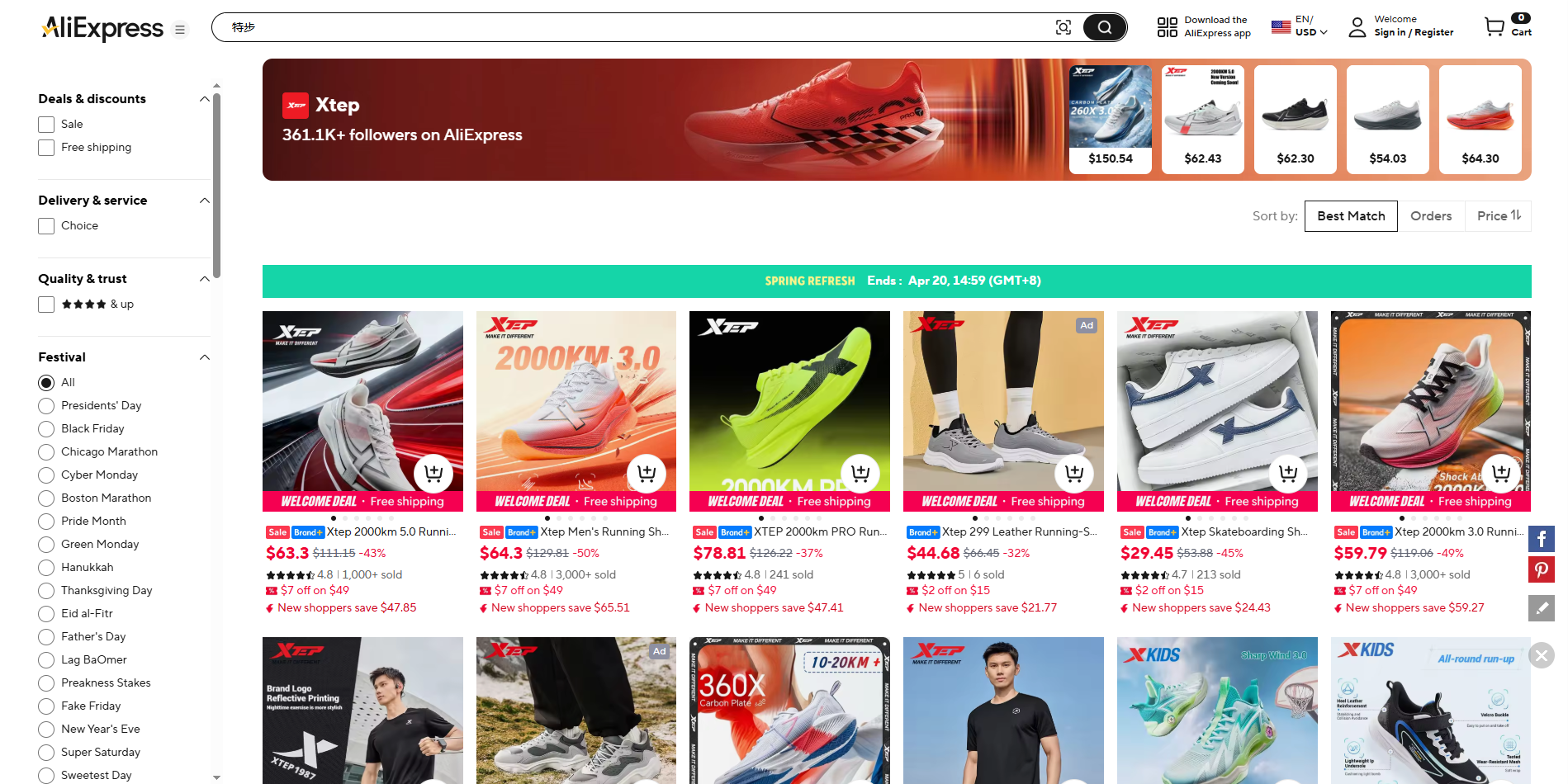
Image source: AliExpress
In fact, sincethe launch of the plan in September 2025, it has attracted more than 50 leading industry brands such as Honor, Baseus, Nubia. From consumer electronics to smart hardware, from sports apparel to home living, more and more top players are turning AliExpress from an option into a must-have.
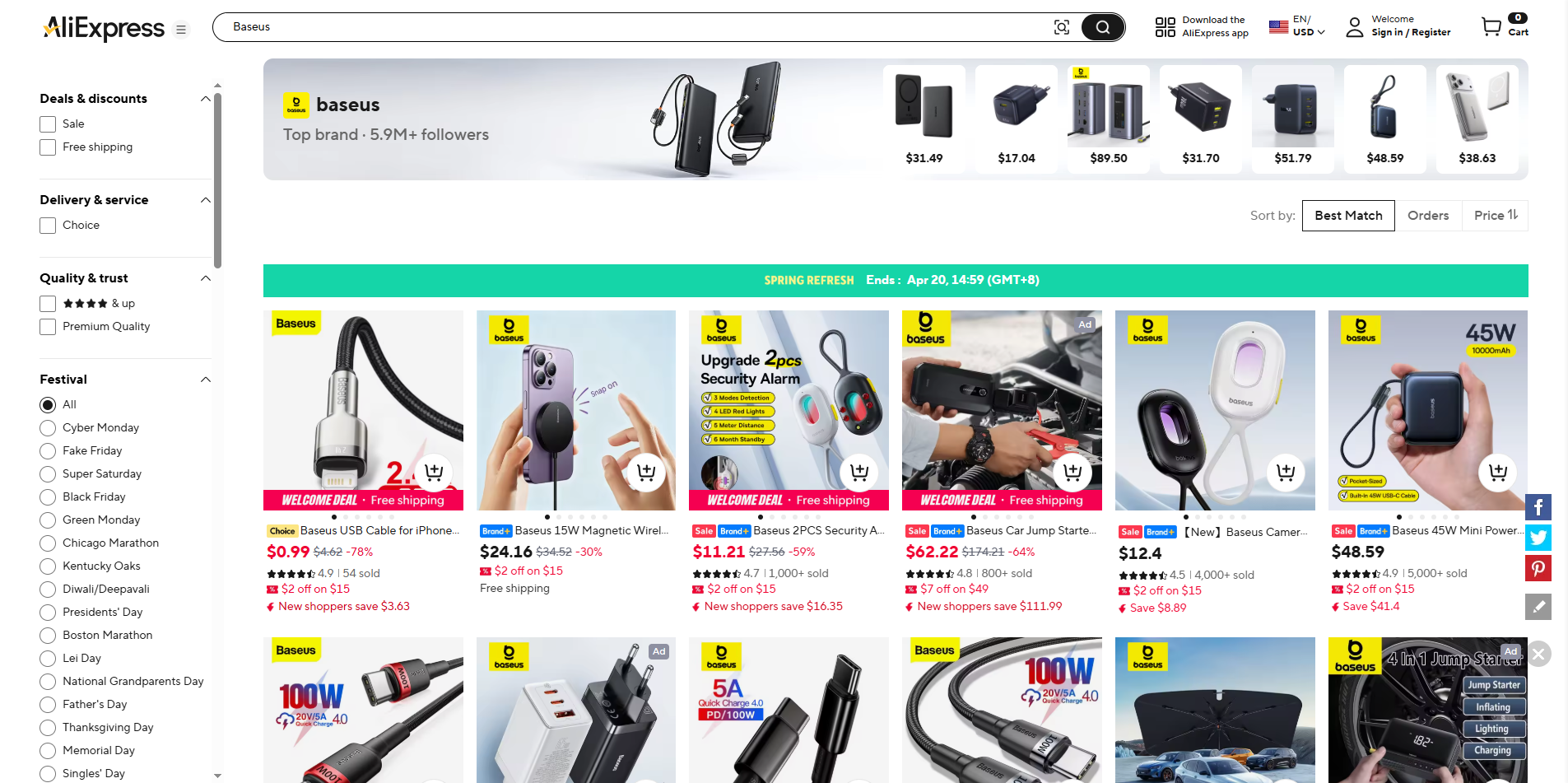
Image source: AliExpress
What does this shift mean for brand merchants? The most intuitive impact is: no longer putting all eggs in one basket.
Over-reliance on a single platform means weak bargaining power and low risk resistance. When Amazon’s traffic costs continue to rise and growth hits a bottleneck, multi-platform layout has shifted from a tactical choice to a strategic necessity.
AliExpress, with its overseas hosting services in more than 30 key markets worldwide, covering Europe, North America, Asia-Pacific, and Latin America, provides brands with truly new incremental space.
“Brand+” Plan: Doubling Growth with Half the Cost
So, what makes AliExpress attractive to these leading brands? The answer isthe “Brand+” Super Brand Tuke Plan.
This plan proposes a highly attractive value proposition: achieving new increments at half the cost of Amazon.
On Amazon, traffic costs are high, ad bidding is fierce, and homogeneous competition is serious. Many brands fall into the dilemma of selling more but earning less. AliExpress, through the key strategy of brand Tuke+overseas hosting, helps merchants reduce operating costs, improve efficiency, and receive key support from the platform in traffic, marketing, logistics, etc.
Data has already proven the effectiveness of this approach. In the past year, brand growth on AliExpress exceeded40%, and the number of brands with annual sales over $10 million increased by 64%. In 2026, the platform has set an ambitious core goal: to help 2,000 Chinese brands double their Tuke scale.
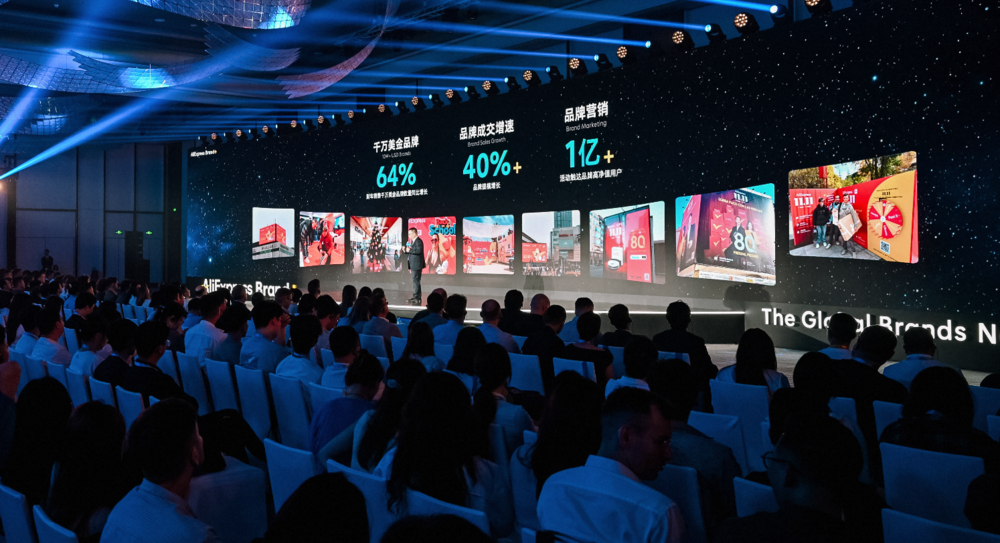
Image source:smarthey
For sellers, this is both an opportunity and a new requirement. The opportunity is that lower-cost, faster-growing channels are opening up; the challenge is that brands must have stronger product and supply chain capabilities to truly capture this wave of dividends.
The simple model of mass listing and low-price volume is no longer feasible. Consumers want a brand experience with recognition and quality assurance. In other words, the rise of AliExpress is forcing Chinese brands to shift from a sales mindset to a brand mindset.
Conclusion
The global cross-border e-commerce chessboard is being reset. Amazon is no longer the only choice; AliExpress is rapidly becoming the new main stage for Chinese brands Tuke.
For Tuke merchants, this means a recalculation of cost, efficiency, and brand power. Brands that proactively lay out and embrace change are likely to gain an edge in this round of multi-polar competition.
In 2026, AliExpress announced the goal of “helping 2,000 Chinese brands double their growth.” This is not only the platform’s own KPI, but also a signal: the era of systematic capability for Chinese brands Tuke has fully begun.
What this signal means for growth teams
This market signal should be treated as an operating prompt, not a standalone trend. The brand question is whether the team can connect TikTok content, creators, paid media, commerce readiness, and reporting into one measurable growth cycle.
Commercial read
- Market signal: TikTok Marketing Information and Solutions
- Published: April 23, 2026
- Commercial lens: TikTok Ads, creators, TikTok Shop, live commerce, and reporting.
- Source transparency: the original source linked in this article
What brands should do next
- Identify the market, audience, product group, and KPI this signal could affect.
- Turn the insight into a small TikTok creative, creator, Shop, or paid media test before scaling spend.
- Add FAQ, offer clarity, product proof, and contact paths so traffic can convert instead of only reading.
- Review weekly performance across reach, click quality, Shop actions, creator output, and revenue impact.
Tuke Marketing helps brands connect TikTok Ads, creator partnerships, TikTok Shop operations, live commerce, and reporting into one accountable operating system.
What should brands do with this TikTok signal?
Brands should translate the signal into a focused operating test across creative, creators, TikTok Shop readiness, paid media, and reporting before increasing budget.
How does Tuke Marketing evaluate this kind of news?
Tuke Marketing reviews platform news through market timing, category demand, creator supply, commerce readiness, and measurable growth actions.
When should a team contact Tuke about this topic?
A team should contact Tuke when it needs to turn a TikTok market signal into a practical launch, creator, advertising, live commerce, or reporting plan.
Source transparency: Tuke cites the original source linked in this article and adds its own operating analysis for brands evaluating TikTok growth decisions.