
The footsteps of the 2026 USA-Canada-Mexico World Cup are getting closer, and for cross-border e-commerce sellers, this is undoubtedly the most promising traffic opportunity worth betting on this year.
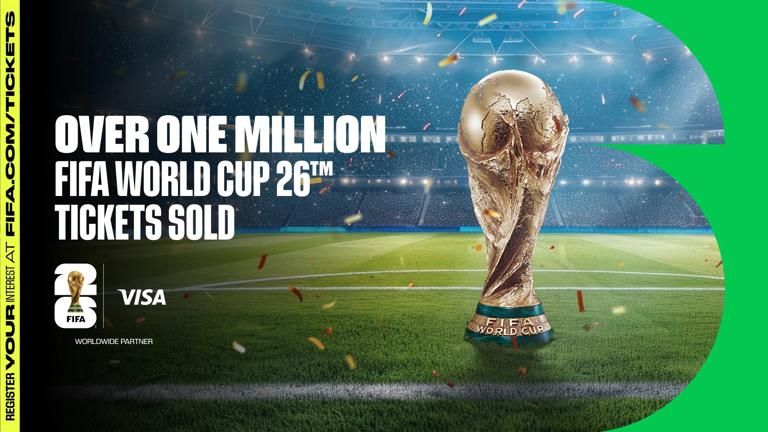
Image source: Xinhua Net
However, every major tournament is accompanied by painful cases of stores being closed due to infringement lawsuits (TRO)—official IP products such as national flags, team emblems, and player portraits seem easy to sell, but are actually full of legal pitfalls.
So, how can you safely seize this wave of sports dividends while keeping your account secure? The answer lies in avoiding copyright traps and choosing a “no copyright risk” product selection strategy.
The following three directions are both safe and have market potential, making them worth early planning for sellers.
Cross-border Integration of City Landmarks and Football
This World Cup is jointly hosted by the United States, Canada, and Mexico, with16 host cities, each with highly recognizable iconic buildings. From the Hollywood sign to the New York skyline, from the Toronto TV Tower to the Great Temple of Mexico City, these landmark images themselves are not protected by copyright, yet they carry fans’ deep emotional connection to the host cities.

Image source:Google
Sellers can cleverly combine these city silhouettes with football elements. For example, let the football “fly” over the landmark, or integrate the stadium outline into the city nightscape. This kind of design avoids the risk of infringing official IP and precisely meets fans’ psychological need to collect memories of the event.
For sellers, this means you can create high-premium commemorative products such asT-shirts, mugs, fridge magnets, etc., with extremely low copyright costs.
Creative Expression of National Colors and Cultural Symbols
Directly using national flags, country names, or official team emblems is undoubtedly a high-risk infringement, but fans’ sense of national identity still needs to be met. The solution is to extract each country’s most recognizable classic color schemes and cultural symbols.
Argentina’s blue and white stripes, Brazil’s yellow and green combination, France’s blue, white, and red, Netherlands’ orange... ...these color combinations themselves are not protected by copyright, yet they instantly evoke fans’ sense of national belonging. Furthermore, you can incorporate representative non-protected cultural totems, such as Argentina’s sun pattern, Brazil’s parrot, or the outline of a Dutch windmill.
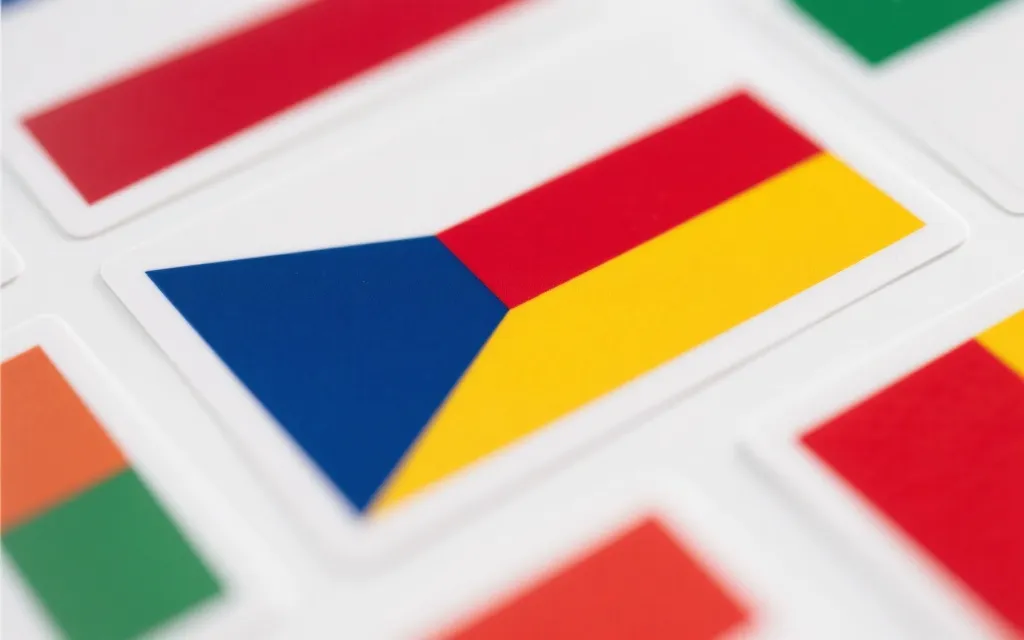
Image source:Google
This color-based design approach not only creates a strong tournament atmosphere but also stays firmly within the safe zone. Sellers should note that fans from different countries have varying aesthetic preferences, so it’s recommended to design specifically for target markets, rather than relying on a one-size-fits-all approach.
Universal Football Culture Public Design Elements
If the first two directions carry specific tournament marks, then generic football peripherals are the lowest-risk and most widely applicable choice.
The texture of the green pitch, the classic black-and-white football shape, the studs on the soles of football boots, the referee’s whistle—all these globally recognized football culture symbols belong to the public design domain and do not involve any copyright protection. Sellers can carry out secondary creation around these elements, such as combining football textures with trendy prints, or making the referee’s whistle into a keychain shape.

Image source:Google
The advantage of these products is that they can not only sell well during the World Cup, but also continue to sell as regular football peripherals at other times, with less inventory pressure and a longer product life cycle. For small and medium-sized sellers just entering the market, this is the safest entry point.
Impact on Sellers and Coping Strategies
Switching to products with no copyright risk brings the direct benefit of avoidingTRO lawsuits and store closure risks, but it also raises the bar for sellers’ design capabilities and market sensitivity. You can no longer simply print a national flag and start selling; instead, you need to invest effort in creative integration.
It is recommended that sellers adopt a light asset+multi-platform strategy: use POD (Print On Demand) drop-shipping mode, no need for inventory, production and shipping can start once the design is confirmed, 48-hour dispatch, 5-7 working days delivery, and simultaneously list products on Amazon, AliExpress, eBay, Tuke, Mercado Libre and other platforms to flexibly handle orders from different channels.
In this way, even if policies tighten on one platform, other channels can still continue shipping, greatly enhancing risk resistance.
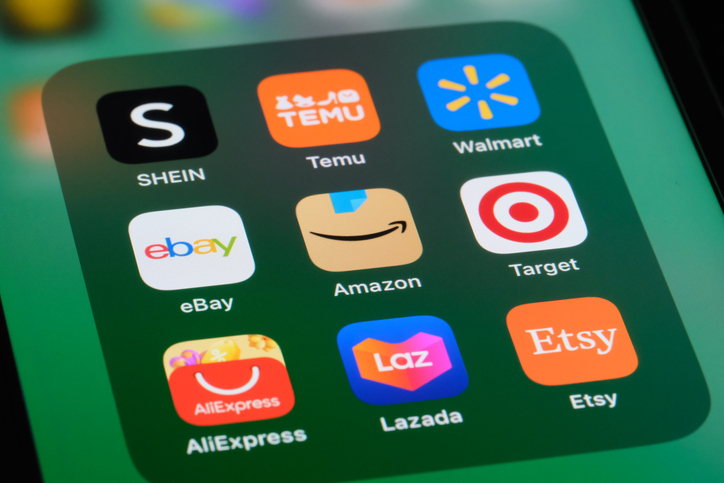
Image source:Google
Conclusion
The traffic dividend of the 2026 World Cup is beyond doubt, but the premise of making money is to avoid the pitfalls of official IP. Shifting to city landmarks, national colors, and universal football culture—these three directions with no copyright risk—is not only responsible for store safety, but also a rational plan for long-term business.
There are always plenty of followers at the windfall, but what’s lacking are smart players who can see the direction and stick to their bottom line. Start polishing your designs and connecting your supply chain now, and when the event truly arrives, you’ll be able to launch your products confidently and steadily mine gold.
What this signal means for growth teams
This market signal should be treated as an operating prompt, not a standalone trend. The brand question is whether the team can connect TikTok content, creators, paid media, commerce readiness, and reporting into one measurable growth cycle.
Commercial read
- Market signal: TikTok marketing tips - short video marketing methods
- Published: April 22, 2026
- Commercial lens: TikTok Ads, creators, TikTok Shop, live commerce, and reporting.
- Source transparency: the original source linked in this article
What brands should do next
- Identify the market, audience, product group, and KPI this signal could affect.
- Turn the insight into a small TikTok creative, creator, Shop, or paid media test before scaling spend.
- Add FAQ, offer clarity, product proof, and contact paths so traffic can convert instead of only reading.
- Review weekly performance across reach, click quality, Shop actions, creator output, and revenue impact.
Tuke Marketing helps brands connect TikTok Ads, creator partnerships, TikTok Shop operations, live commerce, and reporting into one accountable operating system.
What should brands do with this TikTok signal?
Brands should translate the signal into a focused operating test across creative, creators, TikTok Shop readiness, paid media, and reporting before increasing budget.
How does Tuke Marketing evaluate this kind of news?
Tuke Marketing reviews platform news through market timing, category demand, creator supply, commerce readiness, and measurable growth actions.
When should a team contact Tuke about this topic?
A team should contact Tuke when it needs to turn a TikTok market signal into a practical launch, creator, advertising, live commerce, or reporting plan.
Source transparency: Tuke cites the original source linked in this article and adds its own operating analysis for brands evaluating TikTok growth decisions.