
This year, the technological New Year goods featured on CCTV's Spring Festival Gala successfully made 3D printers go viral!
During the interactive segment, Doubao gifted 6,666 Bambu Lab brand 3D printers to viewers nationwide..
As a heavyweight benefit in the prize pool, this product quickly dominated the internet, bringing Bambu Lab, a low-profile Shenzhen company, into the public eye.
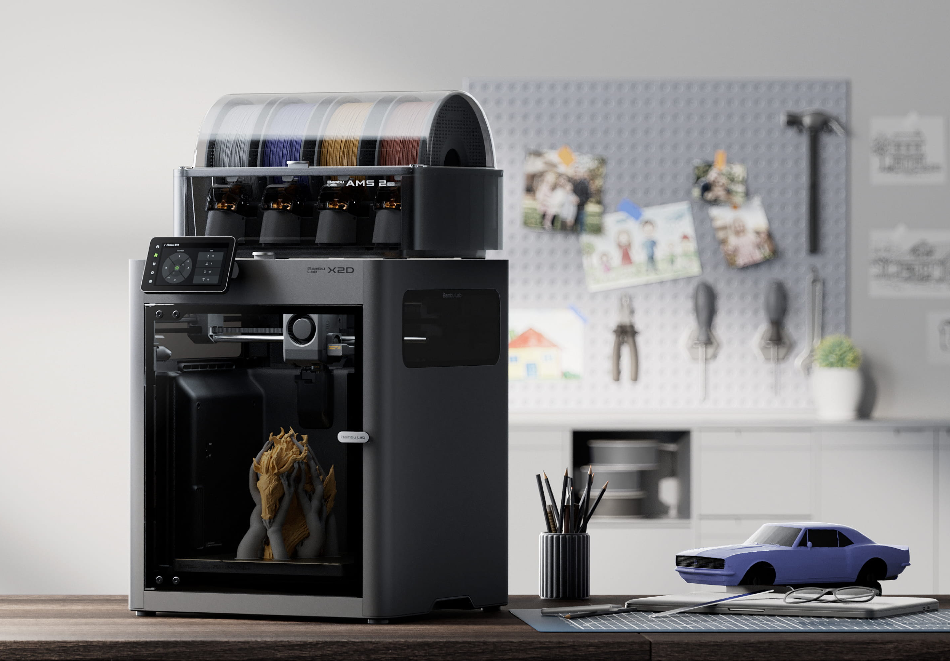
Image source:Bambu Lab
Perhaps many people are unaware that this company has only been established for 5 years, yet its growth momentum is extremely strong.
Its total revenue in 2025 has surpassed the 10 billion mark, breaking out strongly in the consumer-grade 3D printing track, capturing 29% of the global market share.
A team composed of former core members of DJI turned the originally niche 3D printing track into a billion-dollar business.
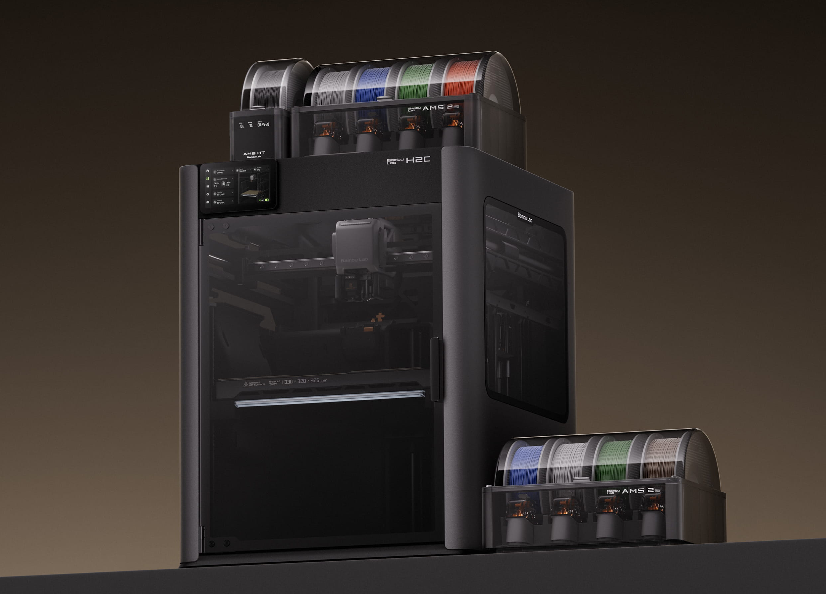
Image source:Bambu Lab
The five-person team that left DJI found the right niche track
According to public information, the consumer-grade 3D printing brand Bambu Lab was officially established in Shenzhen in 2020, with all five core founders coming from DJI's core management team.
Among them, the core founder Mr. Tao is a veteran at DJI, rising from a grassroots engineer to head of the drone division. The business segment he led once contributed 60% of DJI's revenue.
In 2020, Mr. Tao resolutely chose to leave and start a business, leading this experienced team to target the consumer-grade 3D printing track.
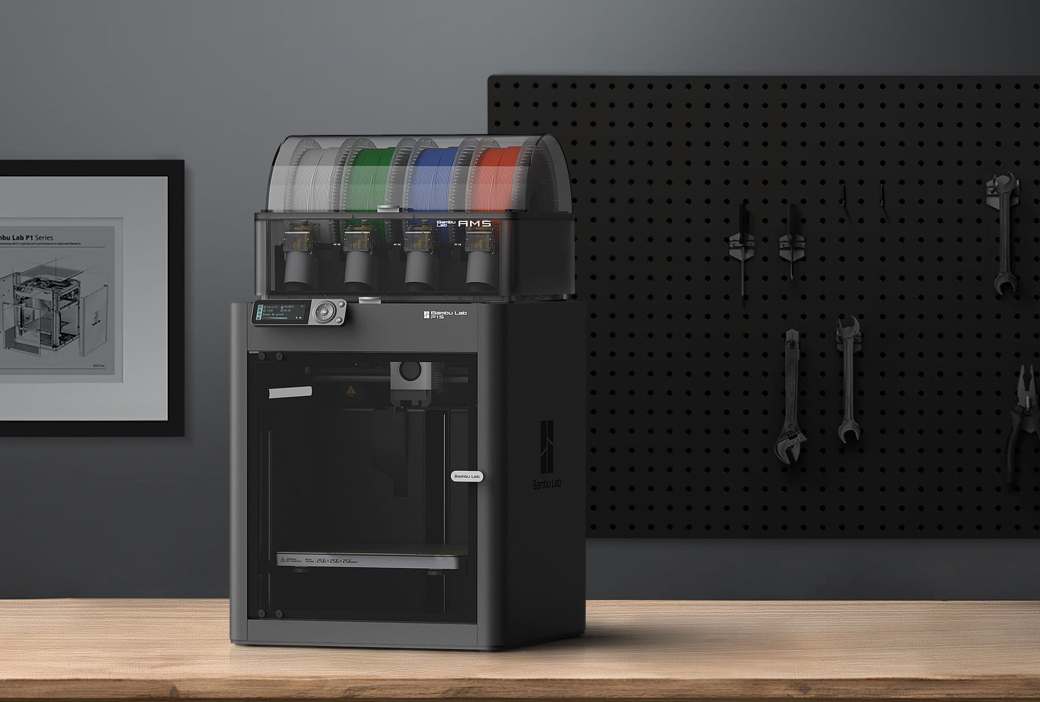
Image source:Bambu Lab
At that time, the 3D printing industry was still relatively niche, with market demand mainly focused on industrial and commercial fields, and almost no consumer-grade products for ordinary users.
Many people were curious why the team insisted on entering this niche track.
The core reason is that the founding team identified a market pain point: with the rise of home DIY and handmade creative culture, more and more ordinary consumers, craft enthusiasts, and trendy toy players want to make their own figurines, cultural creations, and small household items. The demand for lightweight, easy-to-use consumer-grade 3D printing devices is steadily increasing.
Whoever can first launch high cost-performance consumer-grade products can seize the track's dividends.
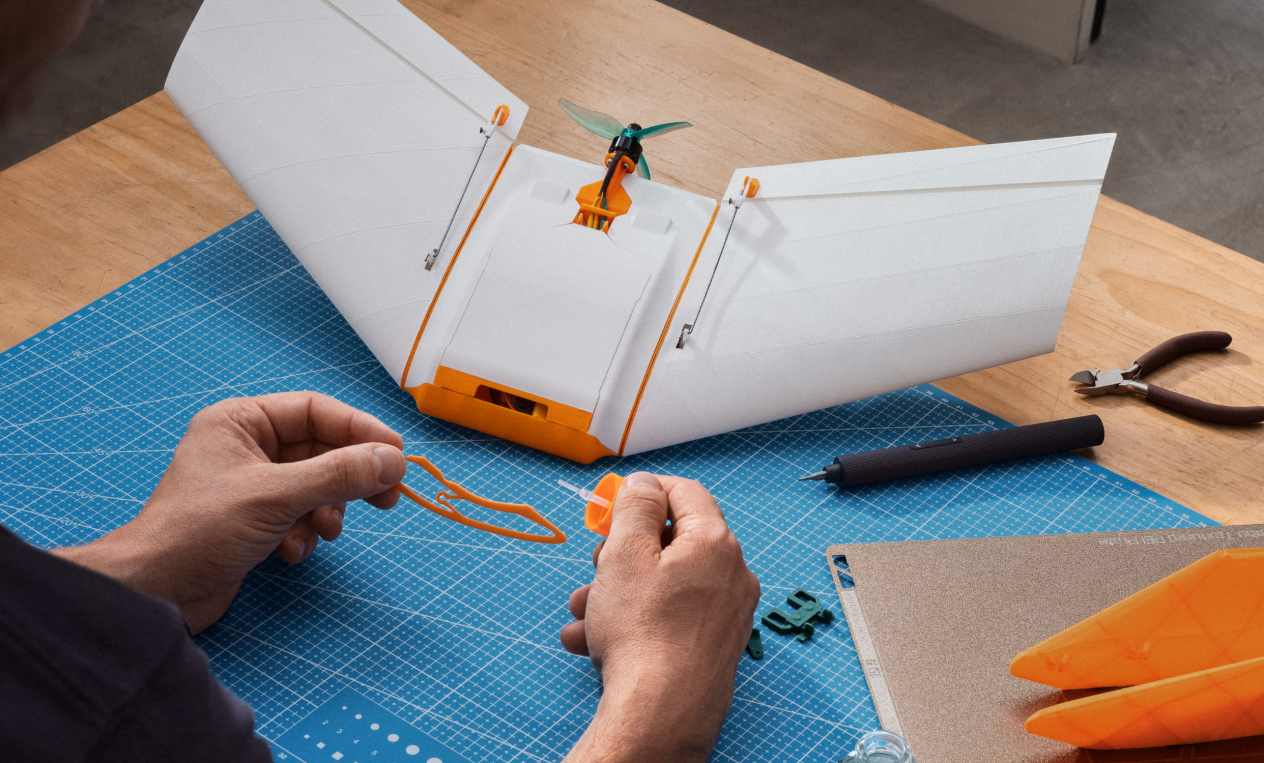
Image source:Bambu Lab
Global industry data also confirms this judgment. According to Grand View Research, the global 3D printing market is steadily expanding, expected to reach $168.9 billion by 2034, with a compound annual growth rate of 23.9% over the previous decade, showing great development potential.
Based on the broad industry prospects, the founding team set a clear development direction: to bring industrial-grade precision technology to the civilian market and create high cost-performance, easy-to-use consumer-grade 3D printers.
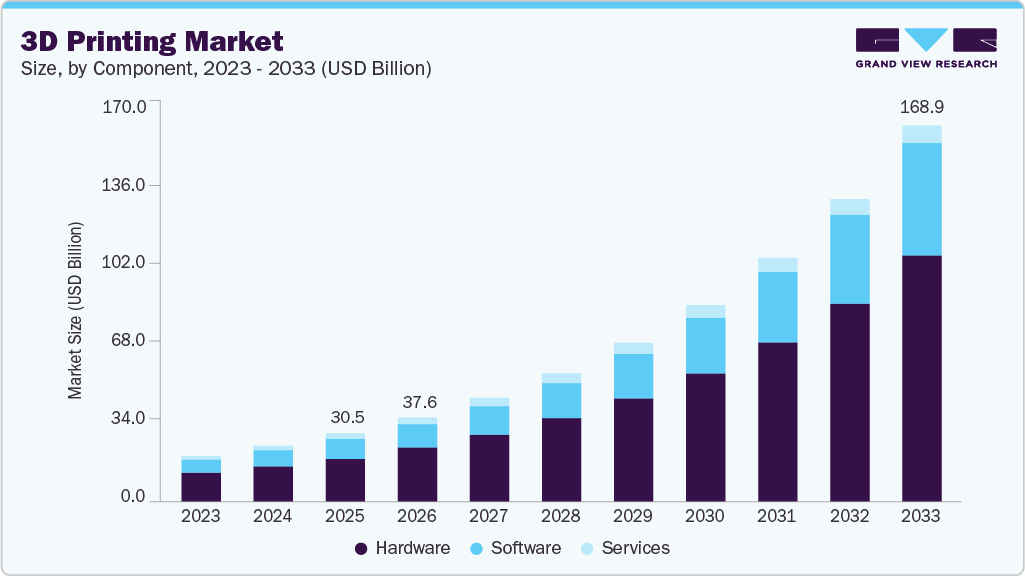
Image source:Grand View Research
Deeply cultivating the consumer-grade track, steadily growing into a billion-dollar leader
In 2022, Bambu Lab officially launched its first product, the X1 series, bringing technologies like LiDAR and AI auto-calibration, previously only seen in industrial equipment, to home models. It not only enables 16-color simultaneous printing but also prints five times faster than the industry average.
On Kickstarter, within just one month, it gained support from over 5,000 users, with crowdfunding exceeding $7 million, setting a record for hardware startup crowdfunding and successfully marking the first shot for Tuke development.
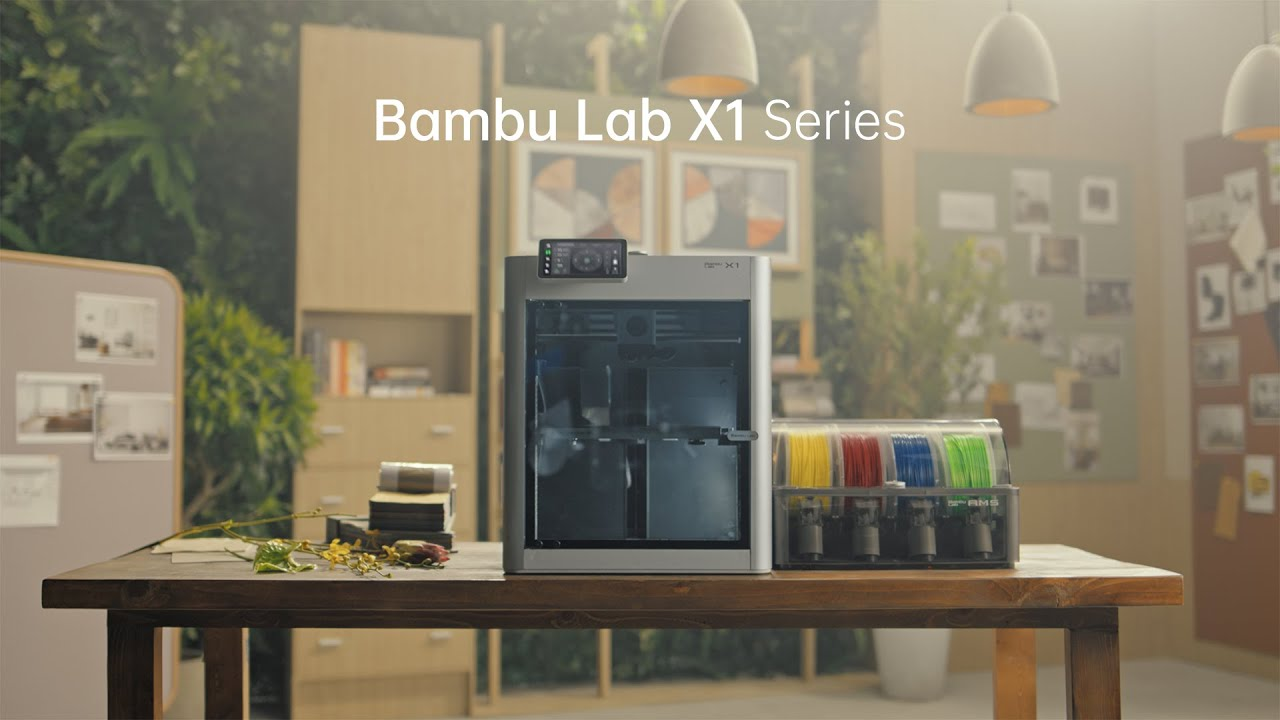
Image source:Bambu Lab
Starting in 2023, Bambu Lab began its global expansion journey.
On the product side, it implemented a full price matrix layout to precisely cover different user needs. The A1 series, priced under $500, targets entry-level home and children's education scenarios, deeply cultivating the mass consumer market; mid-to-high-end models like P1S/P2S, H2D/H2S focus on professional makers and advanced players, locking in high-level demand users.
In terms of channels, the brand attaches great importance to building its independent site, prioritizing it as the core sales platform to firmly control brand pricing, user data, and after-sales service system, avoiding platform commissions, rule restrictions, and price wars.
Currently, the brand's independent site has a stable monthly traffic of 7.5-9.6 million, firmly ranking first in global 3D printing independent site traffic.
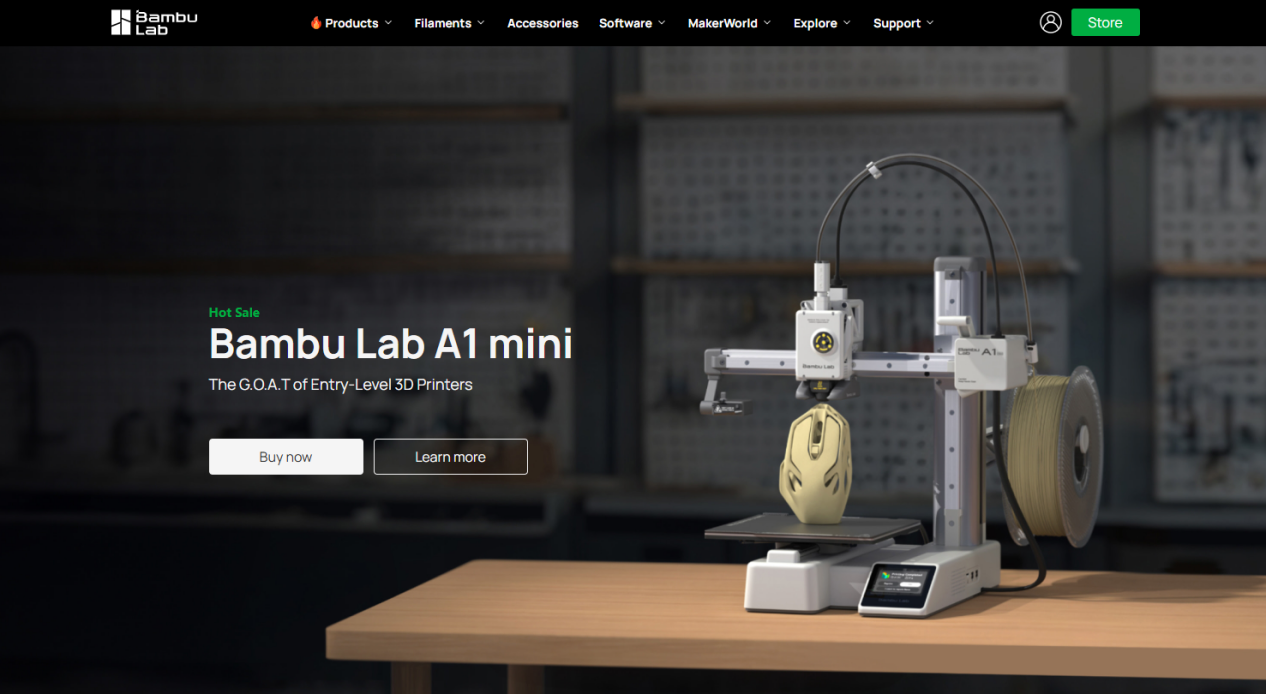
Image source:Bambu Lab
It is reported that in 2024, Bambu Lab's annual shipments reached 1.2 million units, with annual revenue of about 5.5-6 billion yuan.
In 2025, the brand's annual revenue successfully broke through the 10 billion mark, topping global sales for three consecutive years and firmly establishing itself as the leader in the global consumer-grade 3D printing track.
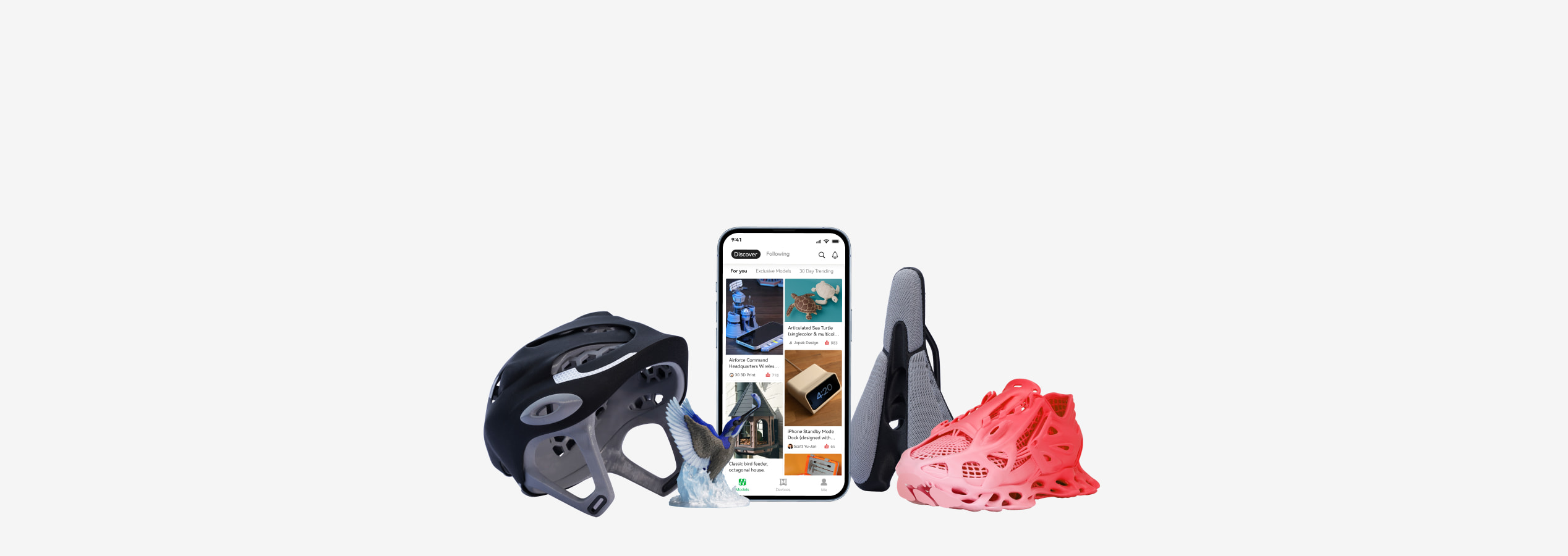
Image source:Bambu Lab
TikTok content seeding turns "hard tech" into daily life
In today's fiercely competitive social track, relying solely on product strength makes it difficult for brands to break out quickly.
In response, Bambu Lab attaches great importance to Tuke traffic layout, deeply leveraging the communication power of popular social media platforms like TikTok, amplifying brand voice with creative short video content, efficiently reaching core audiences, and continuously expanding global market coverage.
On TikTok, Bambu Lab's official brand account @bambulab_official has accumulated 220,200 followers, with likes exceeding 2 million.
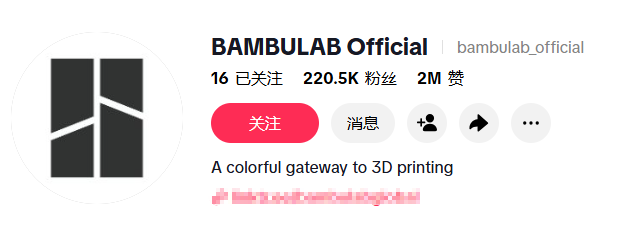
Image source:TikTok
The account mainly features lifestyle scenarios, focusing on practical creations with 3D printers, such as making phone holders, desktop decorations, children's toys, and other daily items, intuitively showcasing the fun and practicality of 3D printing in daily life.
So far, there are over 30 videos with millions of views, and 2 videos have surpassed 10 million views.
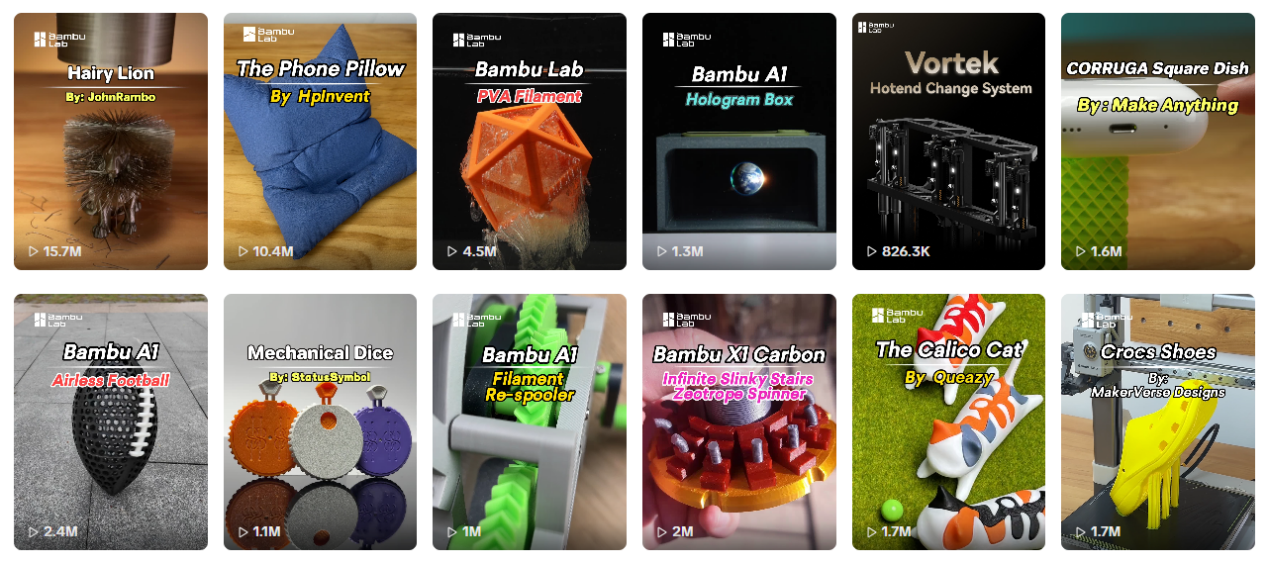
Image source:TikTok
Take the most popular viral video on the account as an example: it fully demonstrates the process of using a Bambu Lab 3D printer to make a realistic lion ornament.
Because the finished product is visually stunning and realistic, it successfully attracted a large number of 3D printing enthusiasts. Currently, this video has garnered 15.7 million views and 240,200 likes, bringing huge exposure to the brand and remarkable social media seeding results.
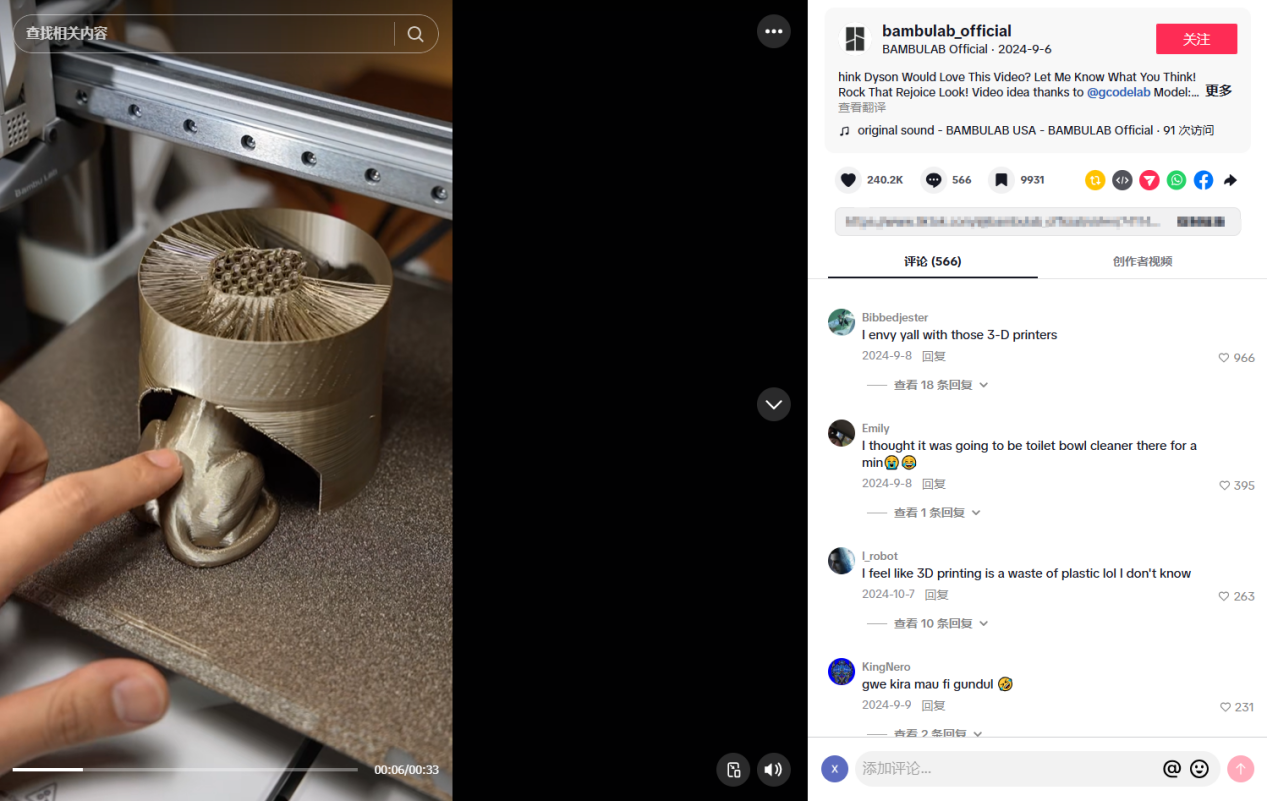
Image source:TikTok
In addition to official content output, the brand actively encourages users to use the #bambulab hashtag to share their own creations made with 3D printers, such as figurines, home decor, and cultural products.
Relying on real users' lifestyle seeding, large-scale UGC spontaneous dissemination is formed on the platform, achieving viral spread.
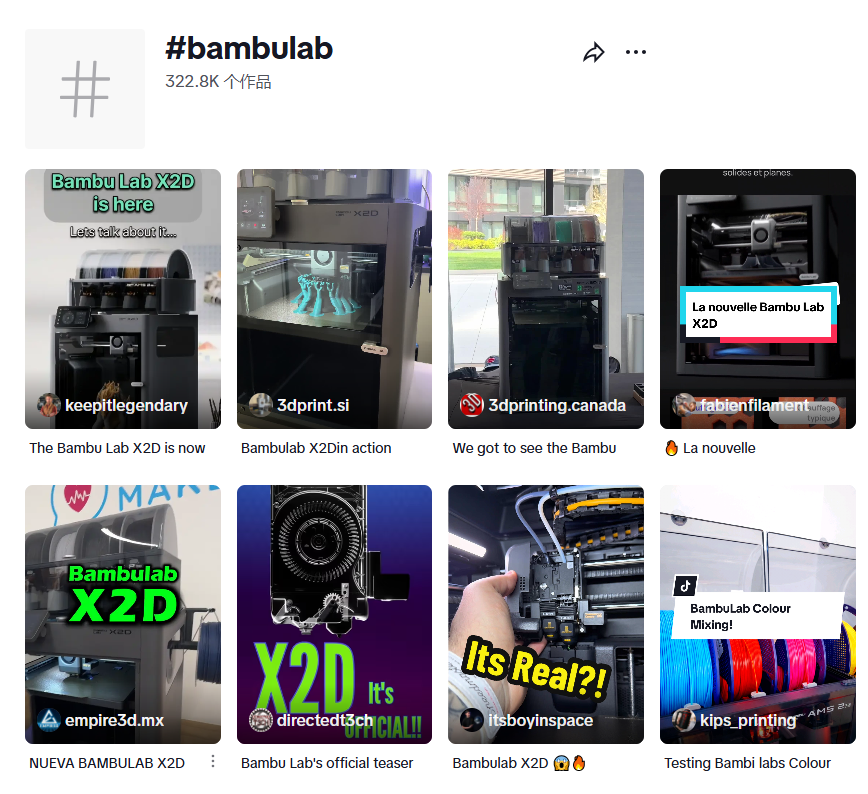
Image source:TikTok
At this stage, there are over 322,800 related works under this hashtag, with massive native content continuously expanding the brand's communication boundaries and greatly enhancing Bambu Lab's global awareness.
Image source:TikTok
Meanwhile, Bambu Lab also deeply binds vertical circle resources, long-term collaborating with active TikTok influencers in the 3D printing and tech fields, leveraging their professional endorsement and creative abilities to reach potential consumers.
For example, the 3D printing influencer @ellie, who has 720,500 followers, once filmed a promotional video for Bambu Lab.

Image source:TikTok
The video uses an immersive unboxing approach, showcasing the influencer's ability to freely customize shapes, colorful designs, and creative creations with Bambu Lab's 3D printer.
Through such realistic evaluations and function demonstrations close to daily life, product performance and user experience become intuitive, lowering the threshold for user decision-making.
So far, this influencer collaboration video has surpassed 1 million views, with 39,300 likes, and many users in the comments are asking about purchase channels, showing outstanding conversion results.
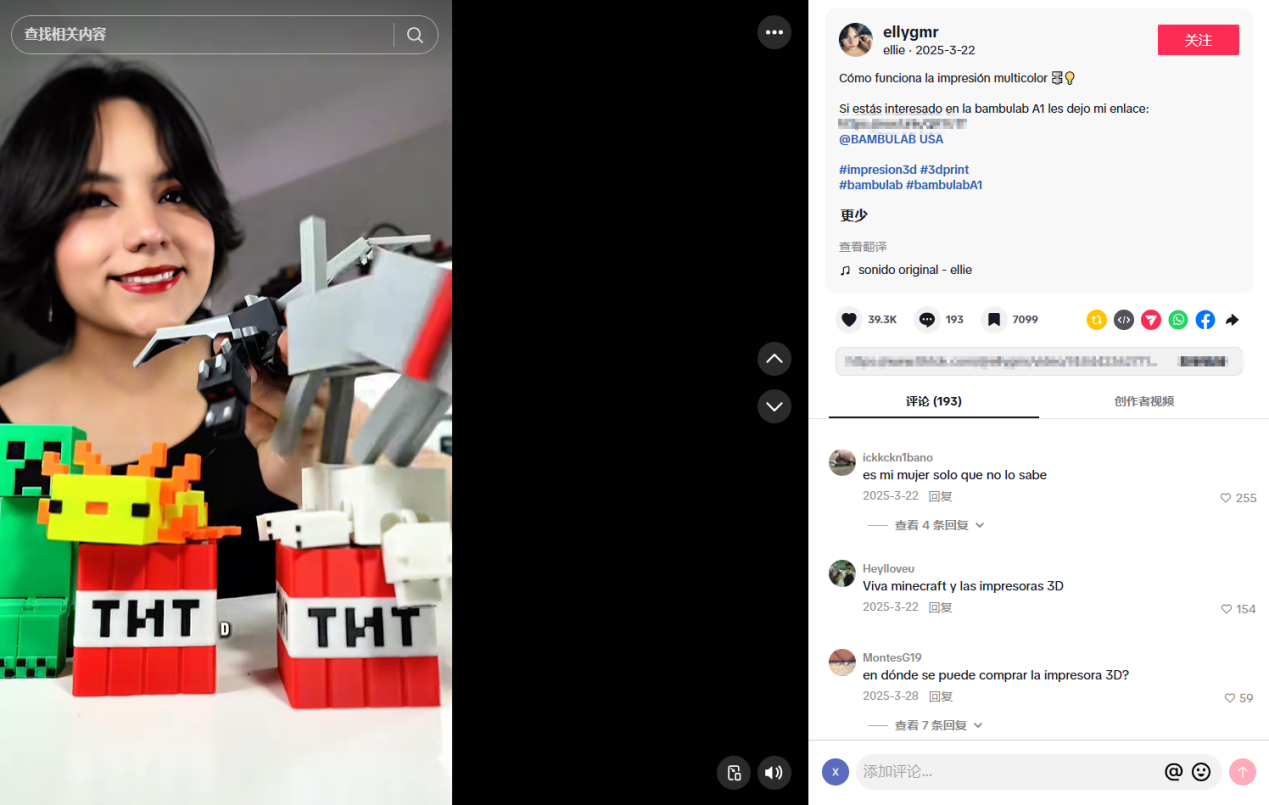
Image source:TikTok
Conclusion
From Bambu Lab's case, we can see that in the Tuke field, vertical and segmented tracks like 3D printing are showing vast commercial potential in Tuke markets.
Currently, whether it's the rise of global maker culture, the deepening of educational technology scenarios, or the spread of personalized consumption trends, all are continuously expanding the market boundaries of tracks like 3D printing.
For many companies seeking Tuke directions, instead of competing in crowded mature categories, it's better to focus on these growing niche fields.
As long as the product is solid, the strategy is clear, and content and social media are used well to connect global users, there is every chance to build one's own advantageous position in seemingly niche tracks and grow together with the market.
What this signal means for growth teams
This market signal should be treated as an operating prompt, not a standalone trend. The brand question is whether the team can connect TikTok content, creators, paid media, commerce readiness, and reporting into one measurable growth cycle.
Commercial read
- Market signal: TikTok marketing tips - short video marketing methods
- Published: April 20, 2026
- Commercial lens: TikTok Ads, creators, TikTok Shop, live commerce, and reporting.
- Source transparency: the original source linked in this article
What brands should do next
- Identify the market, audience, product group, and KPI this signal could affect.
- Turn the insight into a small TikTok creative, creator, Shop, or paid media test before scaling spend.
- Add FAQ, offer clarity, product proof, and contact paths so traffic can convert instead of only reading.
- Review weekly performance across reach, click quality, Shop actions, creator output, and revenue impact.
Tuke Marketing helps brands connect TikTok Ads, creator partnerships, TikTok Shop operations, live commerce, and reporting into one accountable operating system.
What should brands do with this TikTok signal?
Brands should translate the signal into a focused operating test across creative, creators, TikTok Shop readiness, paid media, and reporting before increasing budget.
How does Tuke Marketing evaluate this kind of news?
Tuke Marketing reviews platform news through market timing, category demand, creator supply, commerce readiness, and measurable growth actions.
When should a team contact Tuke about this topic?
A team should contact Tuke when it needs to turn a TikTok market signal into a practical launch, creator, advertising, live commerce, or reporting plan.
Source transparency: Tuke cites the original source linked in this article and adds its own operating analysis for brands evaluating TikTok growth decisions.