
While global streaming giants are still considering how to lay out their short video strategies,Tuke has quietly taken the short drama business to a new height in the US. On March 25, it was reported that Tuke is currently testing a brand-new short drama portal called "Tuke Short Drama" in the US and a few other markets, and has started preparing self-produced series, officially transforming from a short drama promoter to a short drama player.
Image source:businessinsider
From“setting the stage” to “performing”, Tuke is personally creating content
If you’ve been browsingTuke recently, you may have noticed a new portal called “Tuke Short Drama.” This is not just simple third-party content aggregation, but Tuke directly “transplanting” content from the short drama app PineDrama, which it previously acquired, to the main site, and promoting it heavily with ads.
But what’s even more noteworthy is thatTuke is no longer satisfied with just being a platform. According to internal staff emails, this month Tuke has started recruiting actors for a new short drama, planning to create a soap opera-style production. Tuke has actually been planning this for a while; as early as last November, it applied for the “Tuke Drama” trademark in the US, with a business scope clearly covering the development and production of short dramas, TV shows, and web series.
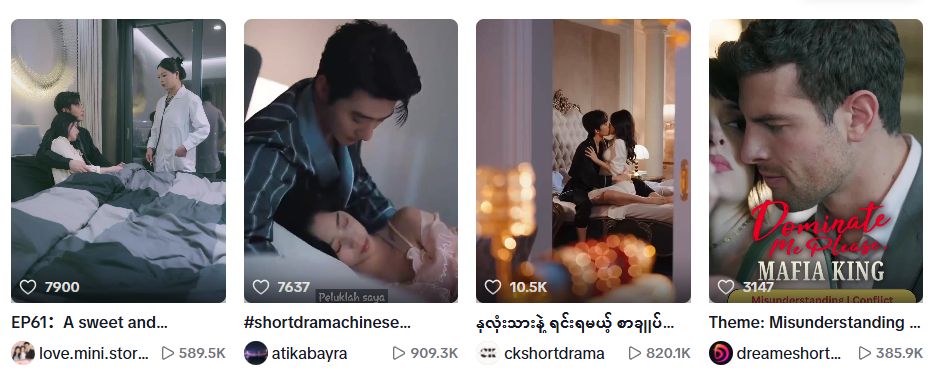
Image source:Tuke
What do Americans love to watch? Crime lords, cute kids, CEOs, andAI gorillas
The most popular short drama categories on Tuke are very down-to-earth: Crime Lord, Cute Kids, and CEO are the top three trending genres.
But the most surprising is an AI-generated short drama calledUntamed. This “Tarzan” parody has been viewed over 500 million times. In one episode, there’s even a scene where a polar bear and a bikini-clad gorilla dance together, and the ending humorously admits it was made by AI.
Currently,the short dramas on Tuke are mainly provided by third-party partners, including about 20 micro-short drama companies such as Snack Short, Net Short, and Yuzu Drama, which are integrated into the platform via mini-programs.
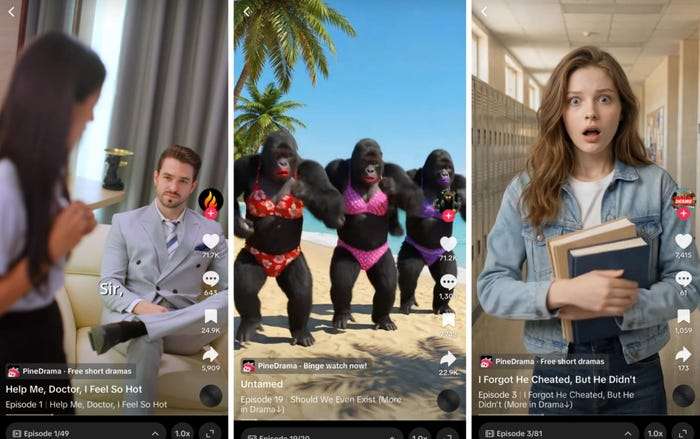
Image source: Internet
The US short drama market is already“going wild”, even Netflix can’t sit still
The reason Tuke is so eager to enter the market is because the US short drama market is already booming. According to estimates from streaming consultancy Owl & Co., just a few companies like ReelShort and DramaBox have driven this segment to a scale of $1.4 billion (about 9.659 billion RMB).
Even more astonishing is user stickiness.Omdia data shows that US users’ average daily usage time on short drama apps has surpassed traditional streaming platforms like Netflix and Disney+—ReelShort users spend 35.7 minutes per day, while Netflix users only spend 24.8 minutes.
No wonderNetflix, Paramount, and Disney all plan to increase short video content this year. This month, Amazon has also tested short drama features in its streaming app in India.
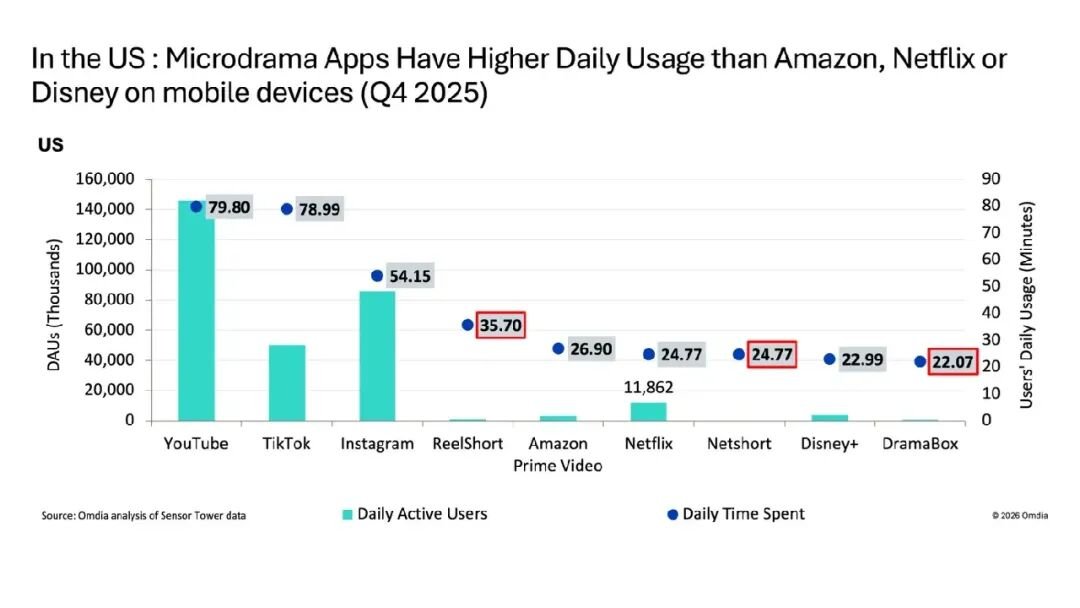
Image source: Internet
New monetization methods:IAA model + AI comic dramas become new favorites
According toTuke for Business, short dramas are already a hot content track. In terms of monetization, the IAA (in-app advertising) model is bringing new growth to the industry, while the emergence of AI comic dramas is injecting more fresh blood into the market.
Tuke has now formed a “multi-model + multi-channel” monetization matrix: on one hand, it achieves IAP (in-app purchases) through “Tuke Minis” short drama mini-programs and “Series” paid content features; on the other hand, it is also trying the free content + ad revenue sharing IAA model.
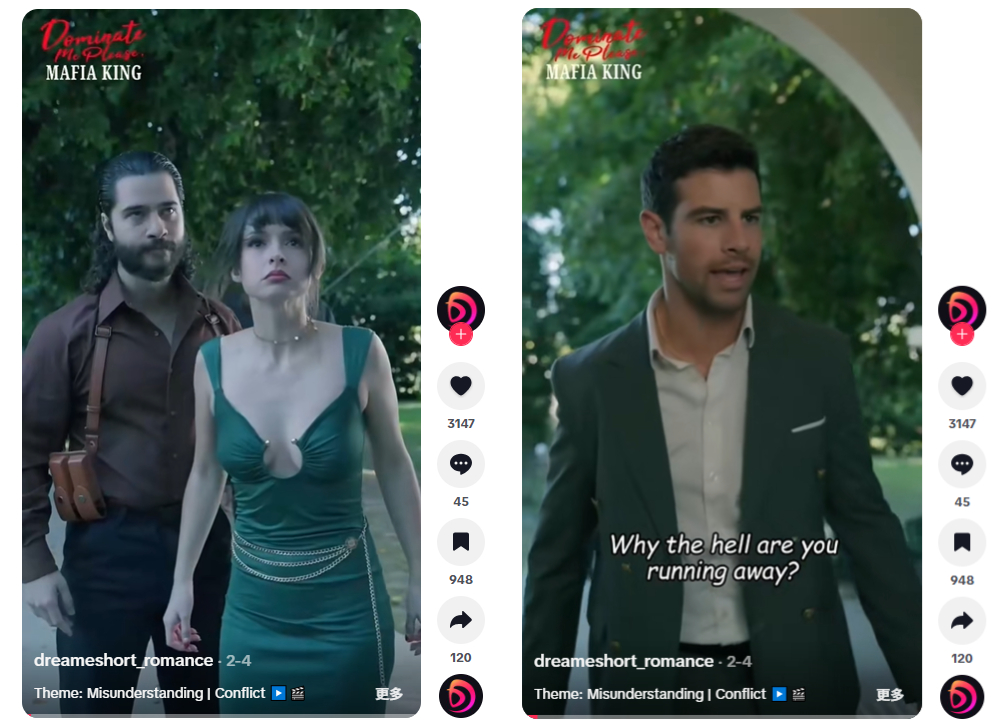
Image source:Tuke
Self-produced dramas may triggerconflicts between “the favored child” and “partners”
However,Tuke personally getting involved in content creation may also cause dissatisfaction among existing partners. After all, there are already about 20 micro-short drama companies connected to the platform via mini-programs. Once Tuke’s self-produced dramas receive traffic favoritism, it will be hard to avoid accusations of “being both referee and player.”
Of course,Tuke may not fully commit to content production. Previously, the company ventured into book publishing, musician services, and other media businesses, none of which posed a substantial threat to partners. But this time, facing the ever-growing short drama pie, Tuke clearly doesn’t want to be just a “rent-collecting” platform.
It is foreseeable that asTuke, this super traffic pool, personally gets involved, competition in the US short drama market will fully upgrade from “content buying” to “ecosystem competition.” Whether it’s independent apps like ReelShort or traditional streaming giants, everyone will have to rethink their strategies.
What this signal means for growth teams
This market signal should be treated as an operating prompt, not a standalone trend. The brand question is whether the team can connect TikTok content, creators, paid media, commerce readiness, and reporting into one measurable growth cycle.
Commercial read
- Market signal: TikTok Marketing Information and Solutions
- Published: March 26, 2026
- Commercial lens: TikTok Ads, creators, TikTok Shop, live commerce, and reporting.
- Source transparency: the original source linked in this article
What brands should do next
- Identify the market, audience, product group, and KPI this signal could affect.
- Turn the insight into a small TikTok creative, creator, Shop, or paid media test before scaling spend.
- Add FAQ, offer clarity, product proof, and contact paths so traffic can convert instead of only reading.
- Review weekly performance across reach, click quality, Shop actions, creator output, and revenue impact.
Tuke Marketing helps brands connect TikTok Ads, creator partnerships, TikTok Shop operations, live commerce, and reporting into one accountable operating system.
What should brands do with this TikTok signal?
Brands should translate the signal into a focused operating test across creative, creators, TikTok Shop readiness, paid media, and reporting before increasing budget.
How does Tuke Marketing evaluate this kind of news?
Tuke Marketing reviews platform news through market timing, category demand, creator supply, commerce readiness, and measurable growth actions.
When should a team contact Tuke about this topic?
A team should contact Tuke when it needs to turn a TikTok market signal into a practical launch, creator, advertising, live commerce, or reporting plan.
Source transparency: Tuke cites the original source linked in this article and adds its own operating analysis for brands evaluating TikTok growth decisions.