
As global e-commerce regulations become stricter, the compliance threshold in the European market has risen again. Starting from April 1, multiple core markets on Amazon Europe, including Poland, Germany, France, etc., will officially enforce the EPR regulations for packaging, batteries, and electronic and electrical equipment.
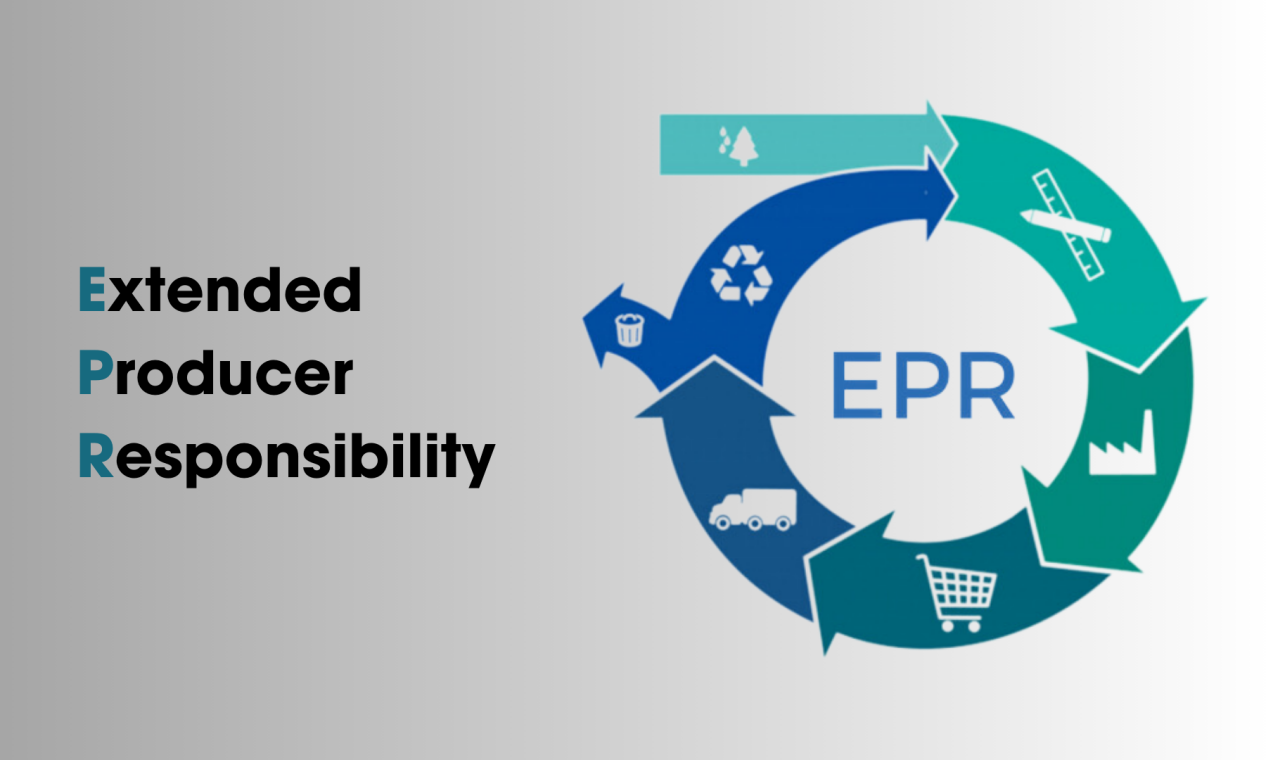
Image source:Google
This new regulation not only means that sellers' operating costs will rise significantly, but will also have a profound impact on process management, product planning, and even platform ecology for cross-border business.
For Chinese sellers who rely on the European market, this is not only a test of compliance capability, but also an opportunity to re-examine supply chain and operational strategies.
Comprehensive upgrade of core requirements, significant increase in compliance costs
The core of this EPR regulation is to clarify the environmental responsibility of producers, requiring all companies selling related products in Europe to complete registration on the local official platform, obtain a unique EPR number, pay ecological taxes as required, and regularly report packaging material usage data.
In terms of coverage, Germany and France are basic mandatory markets, while Poland, Spain, Ireland, and other countries have further refined implementation standards.
For example, in Poland, local regulatory authorities clearly require that packaging registration for products containing batteries must be completed simultaneously with battery registration. If both registrations are not processed at the same time, the relevant BDO (Waste Registration Database) application will be directly rejected.
Such cross-category linkage compliance requirements force sellers who previously only needed to focus on a single product to reorganize their entire chain qualifications.
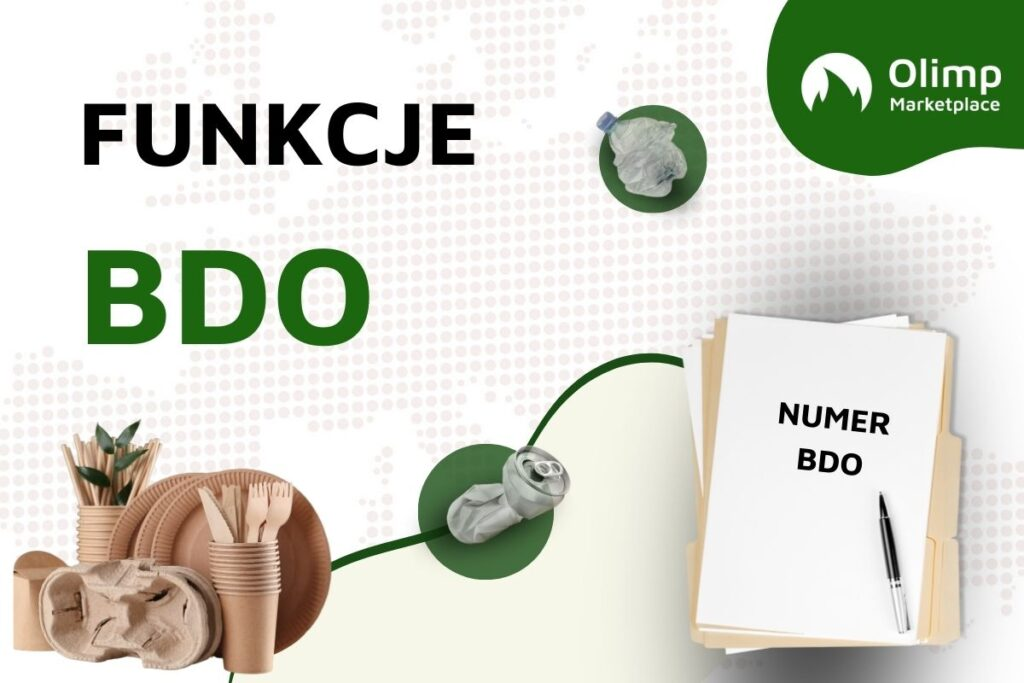
Image source:Google
In terms of cost, explicit expenditures have increased significantly. The registration fees for packaging laws in various countries alone total nearly 50,000 RMB. If you add special registration and annual ecological taxes for batteries, electronic devices, etc., some sellers' compliance costs may double.
More noteworthy are the hidden costs: registration cycles in Spain, Ireland, and other countries can last several months, meaning new product launch plans may be seriously delayed, and the risk of missing peak sales seasons increases sharply. For sellers using a multi-site distribution model, increased process complexity will also consume more manpower and time costs.
Sellers face multiple challenges, operational chains urgently need optimization
After the new regulation takes effect, sellers' operational pressure will shift from single cost to systemic risk.
First, financial pressure will erupt. Small and medium sellers may face cash flow strain due to one-time payment of tens of thousands in registration fees and advance tax payments. For mass consumer categories with already thin profit margins, compliance costs may directly erode profit space.
Second, supply chain management becomes more difficult. Previously, some sellers could seize the market by listing products first and supplementing certificates later, but the mandatory review mechanism under the new regulation will completely block this loophole. If registration delays cause Listing to be taken down, inventory backlog and logistics losses will become a chain reaction.

Image source:Google
In addition, differentiated requirements in multiple countries, such as Germany focusing on recycling rates and France emphasizing carbon footprint tracing, will force sellers to establish more complex compliance files, and even hire local professional agencies for assistance, further increasing management costs.
Multi-dimensional response strategies: turning passive into active
Facing this compliance storm, sellers need to break through from both short-term emergency and long-term planning perspectives.
In the short term, the highest priority task is to race against time. For sites that have not completed registration, the official application process should be initiated immediately, and materials such as product packaging material certificates and sales data should be prepared simultaneously to avoid extended cycles due to incomplete information.
At the same time, it is possible to evaluate whether to compress registration time through third-party compliance service providers. Although service fees need to be paid, it is still cost-effective compared to missing market opportunities. In the medium term, product structure should be optimized, screening categories with low gross margins and high compliance costs, and if necessary, narrowing the battle lines or adjusting pricing strategies to reasonably pass on additional costs to end consumers.
In the long term, establishing compliance-oriented thinking is crucial. EPR requirements should be incorporated at the product development stage, choosing recyclable materials and simplifying packaging design to reduce ecological tax burden from the source. At the same time, digital tools can be used to track policy dynamics in various countries, avoiding compliance risks caused by information lag.
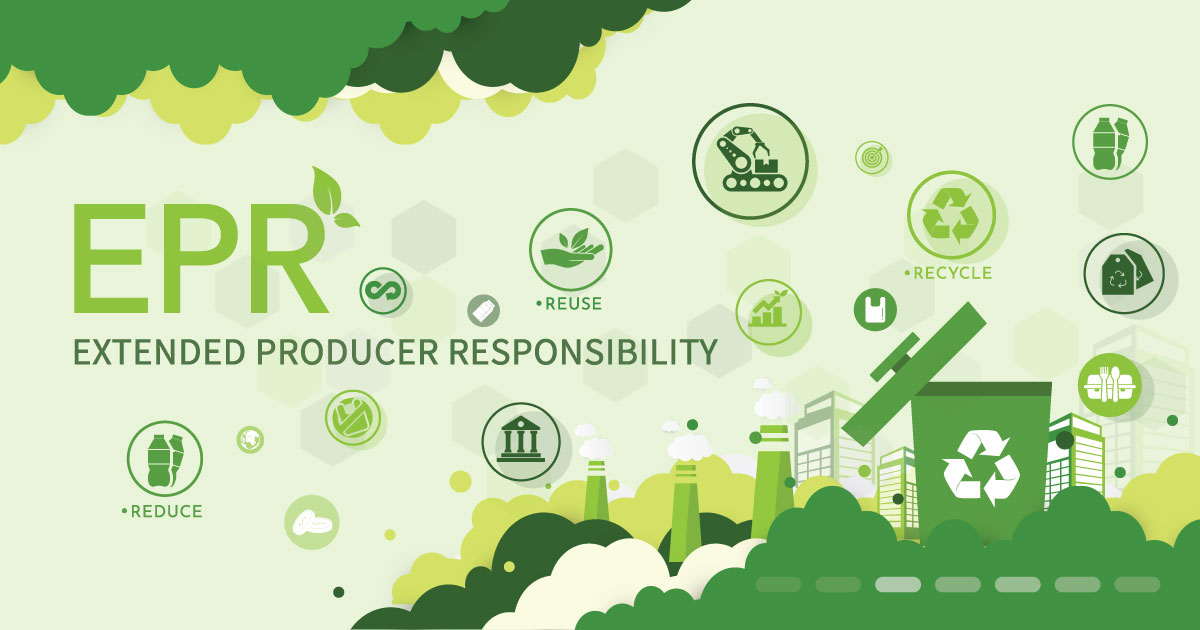
Image source:Google
Conclusion
The EPR regulation coming into effect on April 1 is far from a simple increase in costs; it marks that the requirements for e-commerce companies in the European market have extended from sales capability to environmental responsibility.
For sellers, this is not only a period of pain, but also an opportunity to reshape competitiveness. Enterprises that can quickly adapt to the rules and turn compliance into brand premium capability will take the lead in the future wave of green consumption.
What this signal means for growth teams
This market signal should be treated as an operating prompt, not a standalone trend. The brand question is whether the team can connect TikTok content, creators, paid media, commerce readiness, and reporting into one measurable growth cycle.
Commercial read
- Market signal: TikTok Marketing Information and Solutions
- Published: March 20, 2026
- Commercial lens: TikTok Ads, creators, TikTok Shop, live commerce, and reporting.
- Source transparency: the original source linked in this article
What brands should do next
- Identify the market, audience, product group, and KPI this signal could affect.
- Turn the insight into a small TikTok creative, creator, Shop, or paid media test before scaling spend.
- Add FAQ, offer clarity, product proof, and contact paths so traffic can convert instead of only reading.
- Review weekly performance across reach, click quality, Shop actions, creator output, and revenue impact.
Tuke Marketing helps brands connect TikTok Ads, creator partnerships, TikTok Shop operations, live commerce, and reporting into one accountable operating system.
What should brands do with this TikTok signal?
Brands should translate the signal into a focused operating test across creative, creators, TikTok Shop readiness, paid media, and reporting before increasing budget.
How does Tuke Marketing evaluate this kind of news?
Tuke Marketing reviews platform news through market timing, category demand, creator supply, commerce readiness, and measurable growth actions.
When should a team contact Tuke about this topic?
A team should contact Tuke when it needs to turn a TikTok market signal into a practical launch, creator, advertising, live commerce, or reporting plan.
Source transparency: Tuke cites the original source linked in this article and adds its own operating analysis for brands evaluating TikTok growth decisions.