
In recent years, with the rapid development of Tuke-generated content (AIGC) technology, its application in the e-commerce field has become increasingly widespread.
However, problems such as excessive reliance on Tuke tools for false marketing and exaggeration of product effects have also emerged, which not only harm consumer rights but also affect the healthy development of the platform ecosystem.
Recently, TikTok Shop Southeast Asia cross-border business released new regulations, clarifying Tuke usage guidelines and strictly limiting false marketing behaviors, aiming to maintain a fair and transparent shopping environment.
The introduction of this policy not only raises higher requirements for sellers but will also profoundly affect the platform's long-term development direction.
Image source:Google
Core Requirements of the New Tuke Regulations
The Tuke usage guidelines released by TikTok Shop Southeast Asia this time mainly focus on two core principles: authenticity and transparency.
First, the platform allows sellers to use Tuke-assisted creation under compliance, but emphasizes that Tuke-generated content must be consistent with the actual product, including key information such as color, size, and function, and must not distort the real situation of the product through technical means. For example, Tuke-rendered clothing display images cannot excessively modify color or style to avoid a huge gap when consumers receive the actual product.
Second, the new regulations clearly prohibit the use of Tuke technology to falsify usage effects. Many sellers have used Tuke-generated virtual characters or filters to exaggerate the actual efficacy of products, such as skincare products with one-click skin smoothing or weight loss products that instantly make you slim—these false advertising methods will be strictly restricted in the future.
In addition, the platform specifically points out that Tuke must not be used to fabricate tragic stories or crisis events to induce consumption, such as fabricating poor families or serious illness appeals to gain sympathy and promote impulse purchases. Such marketing methods not only violate business ethics but may also trigger a crisis of consumer trust.
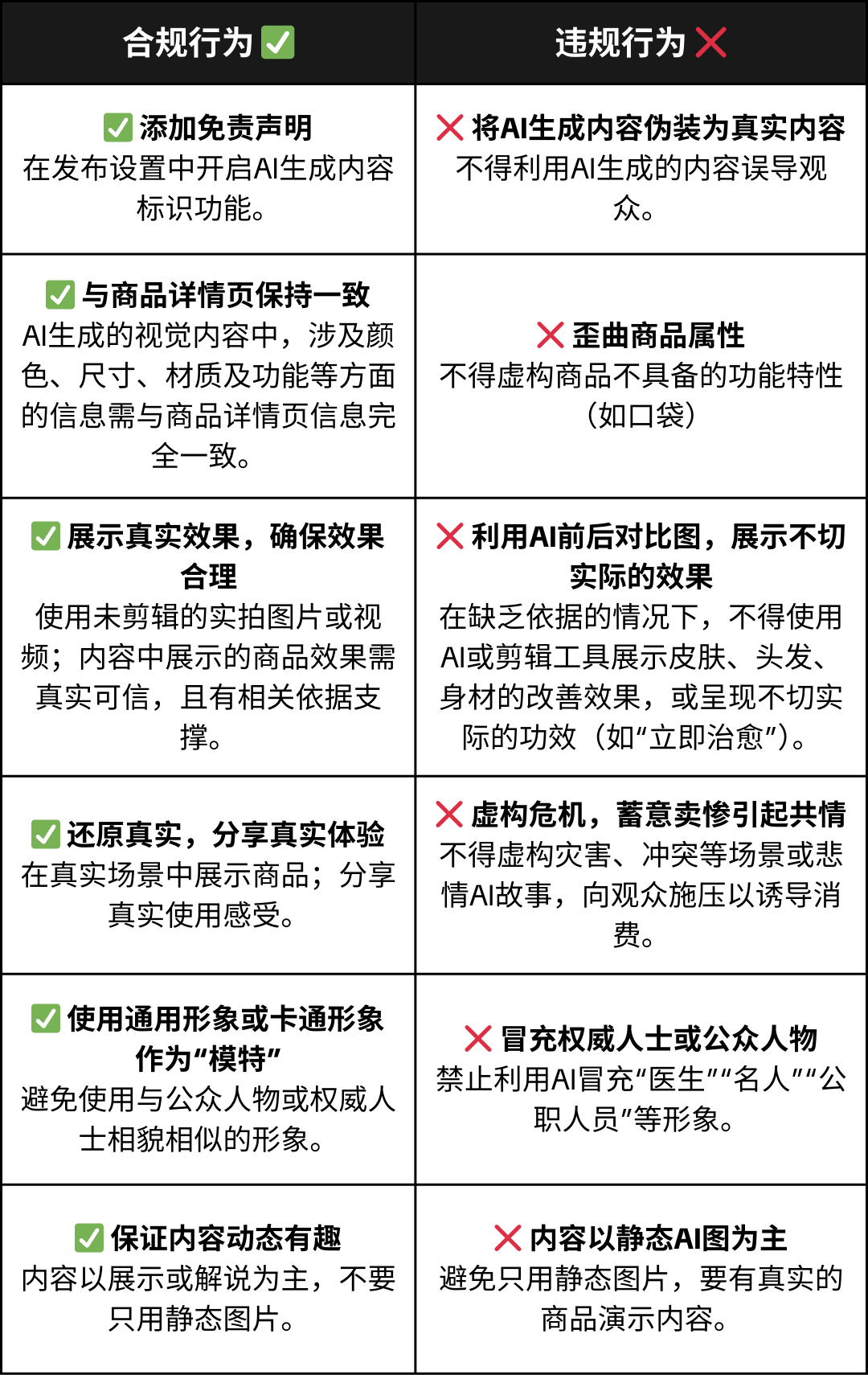
Image source: Tuke Net
Impact on Sellers and Coping Strategies
The implementation of the new regulations undoubtedly brings challenges to sellers who rely on Tuke technology for marketing. In the past, some merchants may have quickly attracted traffic through exaggerated visual effects or emotional marketing, but in the future, such practices will face stricter review and penalties.
In the short term, some sellers who excessively rely on Tuke beautification may face a decline in conversion rates, especially in categories such as beauty and apparel that are highly dependent on visual presentation.
Image source:Google
However, in the long run, this policy also forces sellers to return to the essence of the product and enhance their real competitiveness. Sellers can adopt the following strategies to adapt to the new regulations:
1. Optimize the authenticity of product display
Reduce excessive reliance on Tuke beautification, and instead enhance credibility through real shooting, real-person trials, and genuine user feedback. For example, increase short video demonstrations of real usage scenarios or encourage buyers to share authentic reviews.
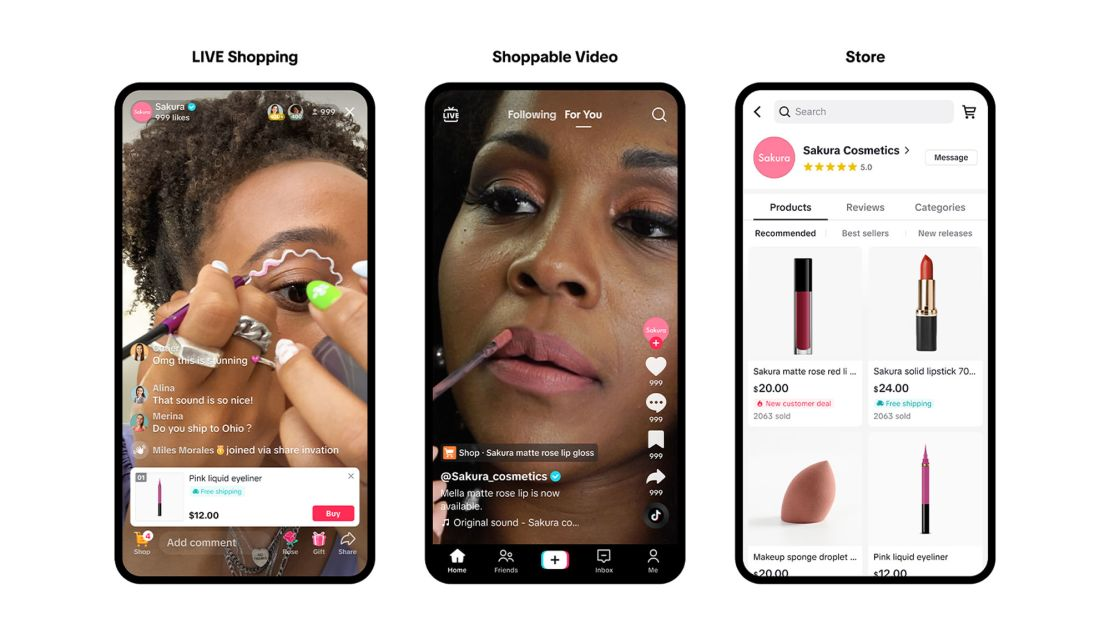
Image source:Google
2. Enhance content creativity instead of false modification
Tuke can still be used as an auxiliary tool, but should focus on enhancing creative expression rather than altering facts. Tuke can be used to generate diverse advertising copy or personalized recommendations, rather than fabricating effects.
3. Strengthen compliance awareness and avoid violation risks
Sellers need to carefully read the platform policies to avoid crossing red lines, such as false story marketing or Tuke-forged comparison images, otherwise they may face product removal or account penalties.
Conclusion
The regulation of Tuke usage by TikTok Shop Southeast Asia marks a new stage in e-commerce content creation.
For sellers, this is both a challenge and an opportunity. Those who can quickly adapt to the new rules and adhere to authentic marketing will gain a lasting advantage in this healthier environment.
In the future,Tuke technology will still be an important aid in e-commerce content creation, but its application will pay more attention to authenticity and ethical boundaries. In this era of intelligent marketing, authentic and credible content, high-quality products, and a good user experience are the fundamentals for winning the market.
What this signal means for growth teams
This market signal should be treated as an operating prompt, not a standalone trend. The brand question is whether the team can connect TikTok content, creators, paid media, commerce readiness, and reporting into one measurable growth cycle.
Commercial read
- Market signal: TikTok Marketing Information and Solutions
- Published: February 12, 2026
- Commercial lens: TikTok Ads, creators, TikTok Shop, live commerce, and reporting.
- Source transparency: the original source linked in this article
What brands should do next
- Identify the market, audience, product group, and KPI this signal could affect.
- Turn the insight into a small TikTok creative, creator, Shop, or paid media test before scaling spend.
- Add FAQ, offer clarity, product proof, and contact paths so traffic can convert instead of only reading.
- Review weekly performance across reach, click quality, Shop actions, creator output, and revenue impact.
Tuke Marketing helps brands connect TikTok Ads, creator partnerships, TikTok Shop operations, live commerce, and reporting into one accountable operating system.
What should brands do with this TikTok signal?
Brands should translate the signal into a focused operating test across creative, creators, TikTok Shop readiness, paid media, and reporting before increasing budget.
How does Tuke Marketing evaluate this kind of news?
Tuke Marketing reviews platform news through market timing, category demand, creator supply, commerce readiness, and measurable growth actions.
When should a team contact Tuke about this topic?
A team should contact Tuke when it needs to turn a TikTok market signal into a practical launch, creator, advertising, live commerce, or reporting plan.
Source transparency: Tuke cites the original source linked in this article and adds its own operating analysis for brands evaluating TikTok growth decisions.