
Acne patches are not uncommon in China; whether in drugstores or on e-commerce platforms, you can always find them. However, most of the time, they appear as accessories or gifts.
It seems that very few brands make acne patches their main business, developing them generation after generation.
The American brand Starface is exactly such a disruptor. Founded in 2019, this brand has sold over 1 billion star-shaped acne patches and achieved more than $90 million (about 646 million RMB) in revenue in 2024, with a year-on-year growth rate of 200% (Data source: founderoo.beehiiv, KuaTongShe).
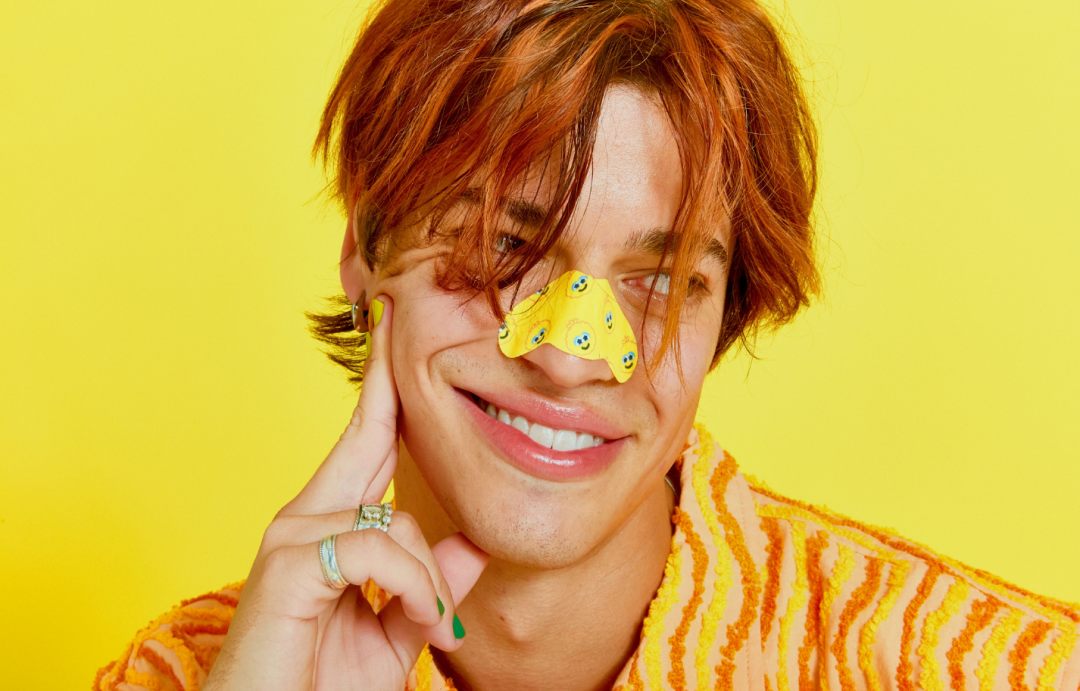
Image source: Starface
A Conceptual Disruption and the Birth of a Brand
Judging from the brand's development, the birth of Starface is more like the founder's profound rebellion against the market and consumer psychology.
The brand's co-founder, Julie Schott, was a beauty editor at Elle magazine. After years of industry observation, she had long grown tired of the beauty industry's singular pursuit of "flawless" skin and the narrative of acne products always trying to make users hide their imperfections. She and her partner Brian Bordainick discovered that the new generation of young people, especially Gen Z, crave more authentic and self-expressive ways.
So, they decided to go against the grain. In 2019, Starface launched its core product "Hydro-Stars." It completely abandoned the traditional skin-tone invisible design of acne patches and adopted a striking bright yellow and star shape. This was not just a change in appearance but a declaration of values, making acne a topic on social media.
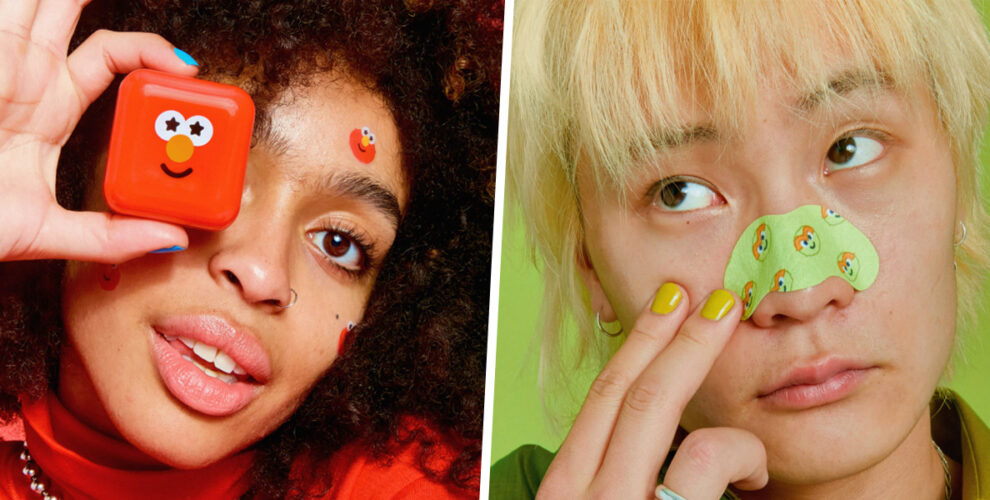
Image source: zula
A Gap in a Billion-Dollar Track
The success of Starface is by no means just due to a good-looking design. It precisely tapped into a huge and growing market, as well as a deeply changing consumer sentiment.
According to Grand View Research, the global anti-acne dermal patch market was about $571 million in 2023 and is expected to reach about $870 million by 2030, with a compound annual growth rate of about 6.2% from 2024 to 2030.
From the consumer perspective, over 95% of boys and 85% of girls experience acne during adolescence, and nearly half of adults still face this issue.
This means acne patches naturally target an "almost universally covered" pool of demand.
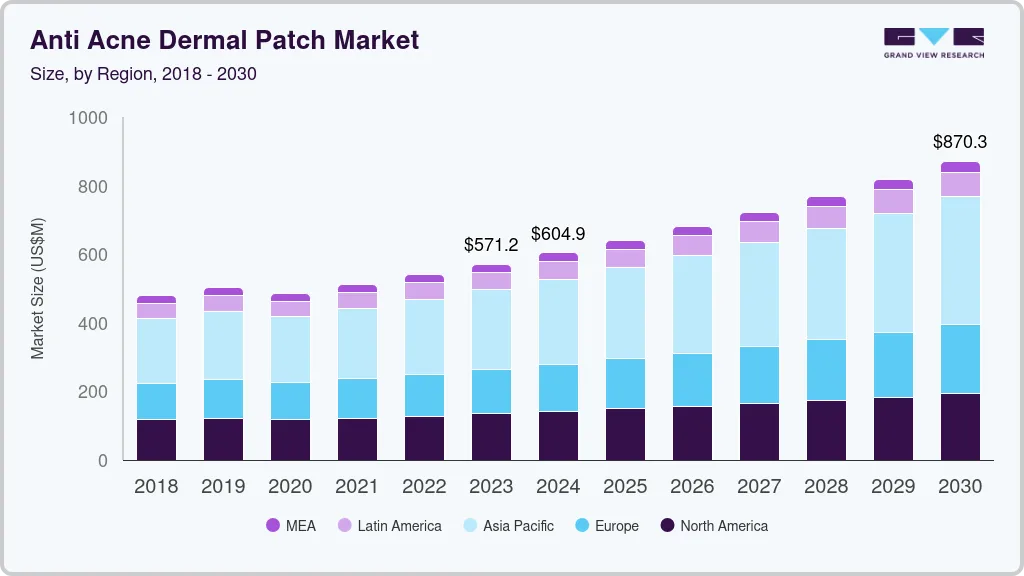
Image source: grandviewresearch
In this market, the "emotional gap" between market supply and the new generation's demand has become a major opportunity for brand development. While most brands still use cold, medical, and restorative language to sell products, Starface keenly captured the cultural trend of "Acne Positivity."
Especially on platforms like TikTok, the #Acne topic has over 10 billion views, and young people are openly sharing their skin issues, seeing them as part of real life.
Precisely because of this, a brand with a simple product form, highly recognizable visuals, and values that resonate with young people naturally has a better chance to become a trend.
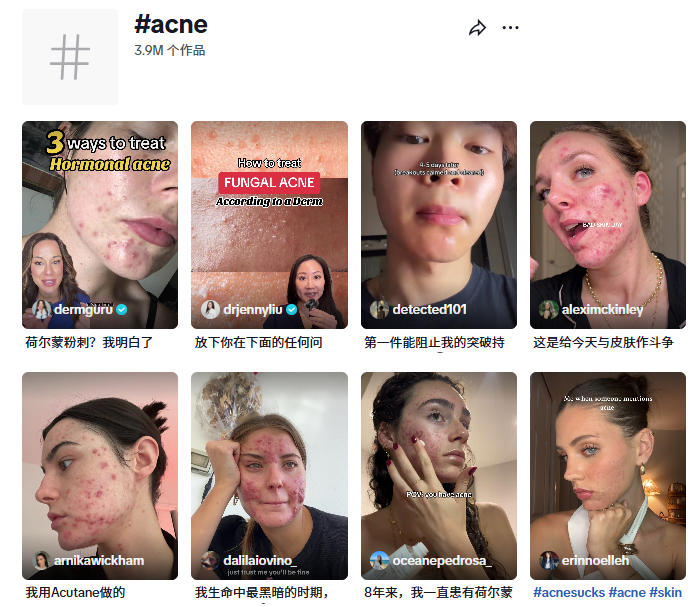
Image source: TikTok
Social Media Strategy: Turning "Starface" into Social Currency
If it's the product and concept that made Starface stand out, then the widespread dissemination on social media platforms is the key engine that drove the brand across Tuke markets.
As early as TikTok's explosive growth period, Starface keenly captured the influence of short video platforms among Gen Z, becoming one of the earliest beauty and skincare brands to invest in TikTok content and KOL collaborations.
Their content is not hard promotion, but rather uses fun short videos and initiates "Starface" challenges to stimulate participation.
For example, a video where the brand transforms the product into a yo-yo garnered nearly 14.7 million views on TikTok, vividly demonstrating that "soft" content often penetrates circles and wins favor more than hard advertising.
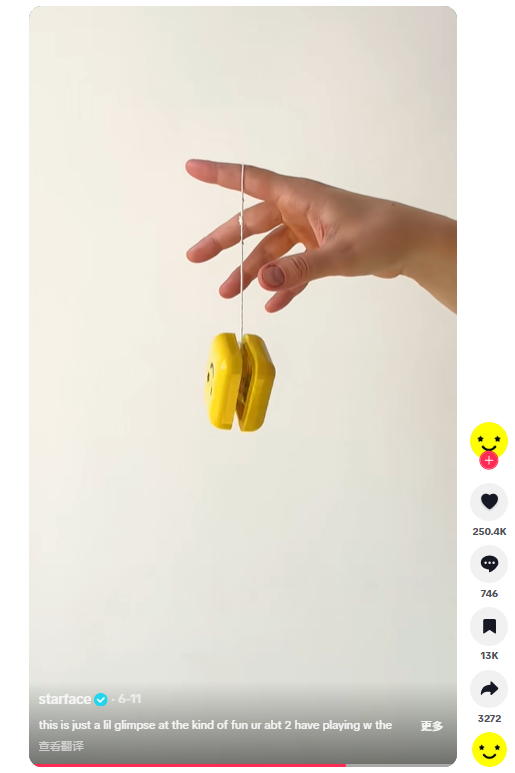
Image source: TikTok
Interestingly, besides traditional product promotion, Starface also created a mascot "Big lil" based on their best-selling Hydro-Stars Big Yellow, deeply tying the brand to a lively IP image.
On Starface's official TikTok account, they released a series of narrative content around Big lil, such as the "Big lil Birthday Series" (brand anniversary) or storylines like "Big lil's new friend" to naturally introduce new product promotions.
This anthropomorphic content marketing makes brand communication lively, fun, and full of affinity, greatly promoting user interaction and sharing.
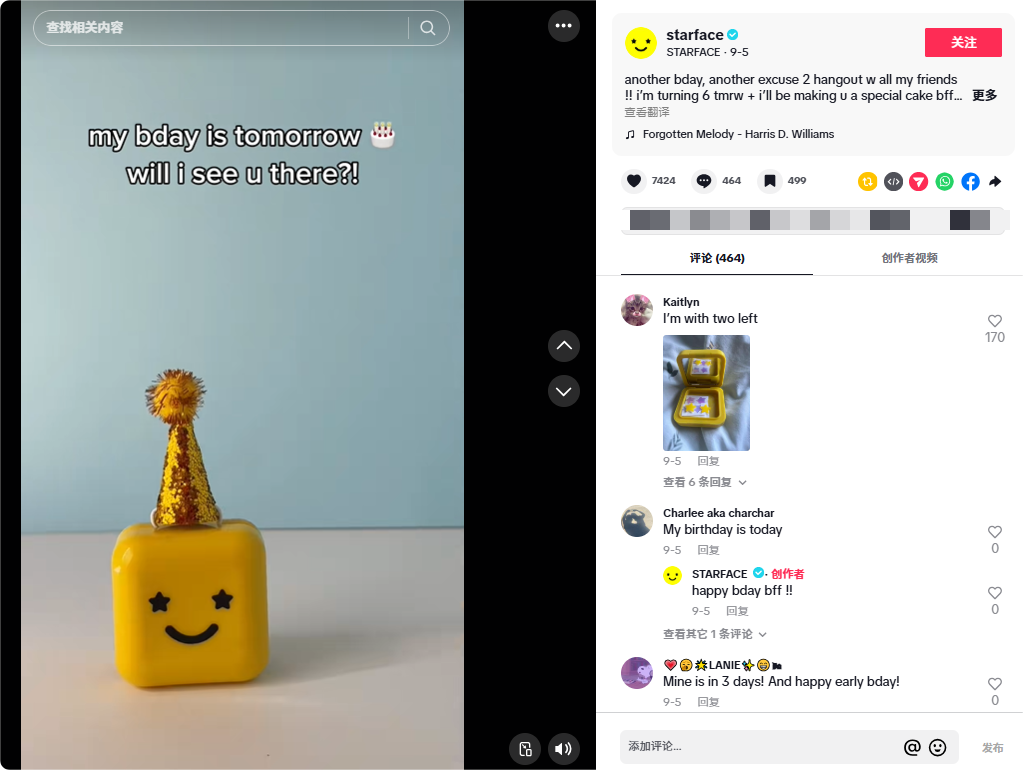
Image source: TikTok
So far, the official Starface account has accumulated over 3.1 million followers, with total video views exceeding 457 million. In the account bio, they directly link retail partners like Target, Walmart, CVS, Walgreens, Ulta Beauty, and Superdrug, achieving simultaneous exposure of "content—channel."
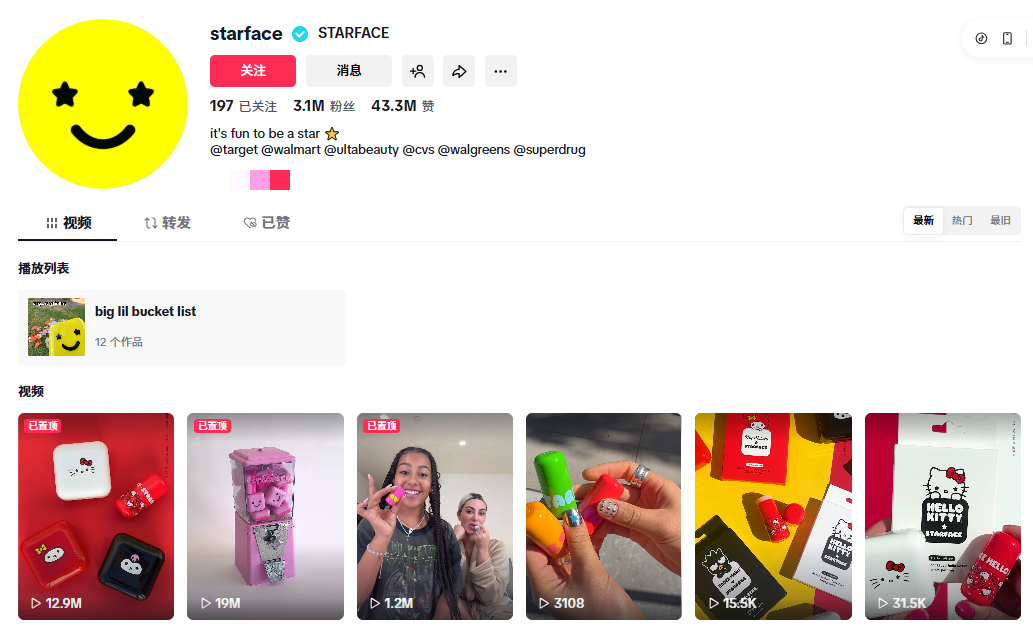
Image source: TikTok
Additionally, Starface also values collaboration with TikTok influencers. Their promotion strategy can be summarized as layered layout + focus on conversion, which is reflected in the brand's influencer data. They collaborate with influencers of different scales to form a communication matrix. Top influencers ignite buzz and break boundaries; mid-tier influencers dive into various interest circles, building trust through authentic sharing and forming a three-dimensional communication network.
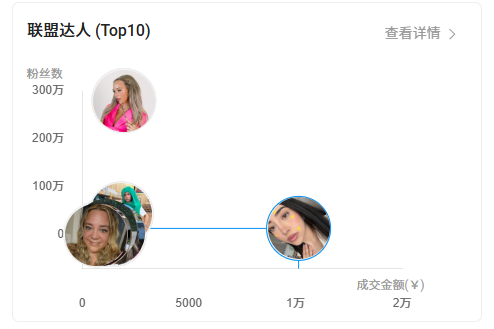
Image source: kalodata
On Instagram, Starface focuses on building a highly saturated, high-contrast visual aesthetic.
Their account has over 639,000 followers, and through carefully composed images and short videos, they closely combine acne patches with fashionable makeup and lifestyle, creating a stylish and relaxed brand tone that perfectly matches the brand philosophy.
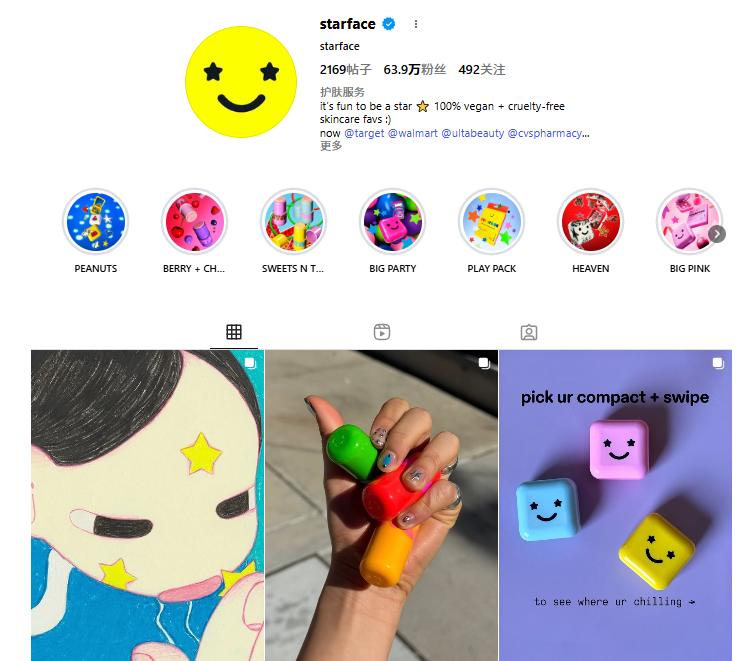
Image source: Instagram
Turning Buzz into Sales: Omnichannel Strategy Drives Growth
The explosive growth of online buzz paved the way for Starface to expand into diverse sales channels. They did not limit themselves to the initial DTC model but actively promoted an omnichannel strategy.
Their independent site serves as the core base for brand image and user community, receiving precise traffic from major social platforms.
According to data, Starface's independent site had about 175,000 visits in November, with social traffic accounting for 14.13% and organic traffic for 38.20%, clearly showing the brand's healthy balance between active marketing and organic growth.
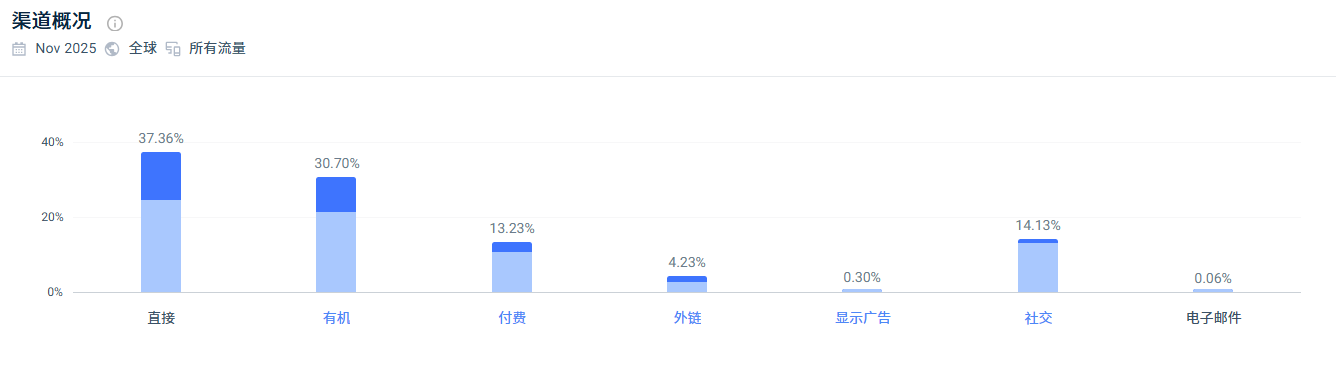
Image source: similarweb
At the same time, Starface also entered Amazon and other third-party e-commerce platforms, and successfully entered mainstream North American offline retailers like Target and Walmart.
This strategy greatly lowered the purchase threshold for consumers, making the product as accessible as daily necessities. The effect of channel expansion was immediate: in 2024, offline retail channel sales grew by 212% year-on-year, and Amazon channel sales grew by 153% (Data source: Brand Ark).
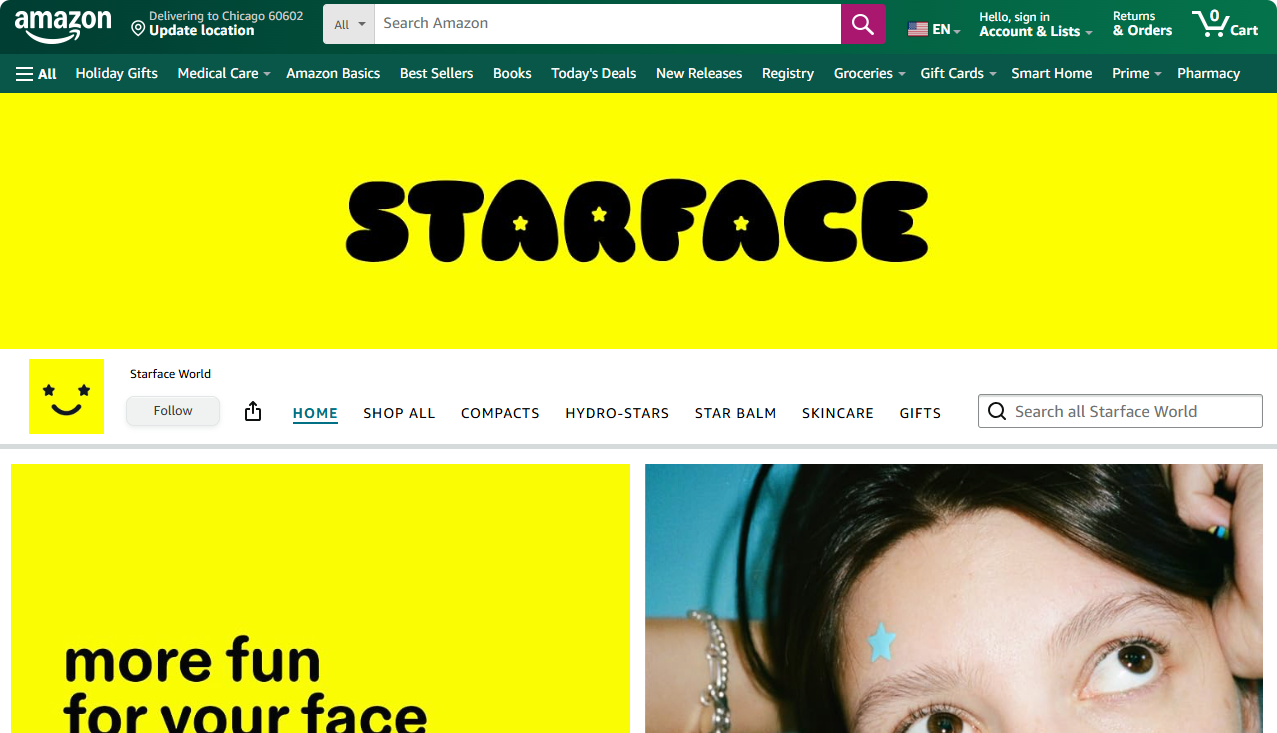
Image source: amazon
More Than Just Shipping
From Starface's journey, it is clear that successful brand Tuke is far more than just shipping goods to Tuke warehouses.
It requires a profound "value Tuke," that is, whether you can precisely understand and respond to the cultural emotions and psychological needs of the new generation of consumers in the target market.
Tuke markets, especially the young consumer market, are waiting for brands that can go beyond product functionality and provide emotional value and cultural identity.
Facing competition, perhaps the real breakthrough is not doing more, but thinking differently.
Short answer for decision makers
This TikTok business signal should be used as a planning prompt, not a standalone trend. The practical question is whether your brand has the market readiness, creator supply, Shop conversion path, paid-media structure, and reporting cadence to act on it now.
Key facts
- Market signal: TikTok marketing tips - short video marketing methods
- Published: December 16, 2025
- Source transparency: the original source linked in this article
Tuke recommendation
Choose one market, one product group, one creator cohort, and one KPI for the next operating cycle. Then align creative testing, TikTok Shop optimization, live commerce readiness, and weekly reporting around that single decision.
What should brands do with this TikTok signal?
Brands should translate the signal into a focused operating test across creative, creators, TikTok Shop readiness, paid media, and reporting before increasing budget.
How does Tuke Marketing evaluate this kind of news?
Tuke Marketing reviews platform news through market timing, category demand, creator supply, commerce readiness, and measurable growth actions.
When should a team contact Tuke about this topic?
A team should contact Tuke when it needs to turn a TikTok market signal into a practical launch, creator, advertising, live commerce, or reporting plan.
Source transparency: Tuke cites the original source linked in this article and adds its own operating analysis for brands evaluating TikTok growth decisions.