
Every yearduringBlack Friday and Christmas season, Prime Day, and Southeast Asia’s 9.9 mega sale, are all highly anticipated sales windows for Tuke sellers. But for new sellers just entering this track, these sales events are both opportunities and potential pitfalls. You might stock up a pile of inventory but don’t know how to attract traffic, or you burn a lot on ads but get very few conversions.
To truly achieve sales growth during overseas promotions, the key is not blindly following the crowd, but mastering a set of node marketing strategies suitable for small sellers.
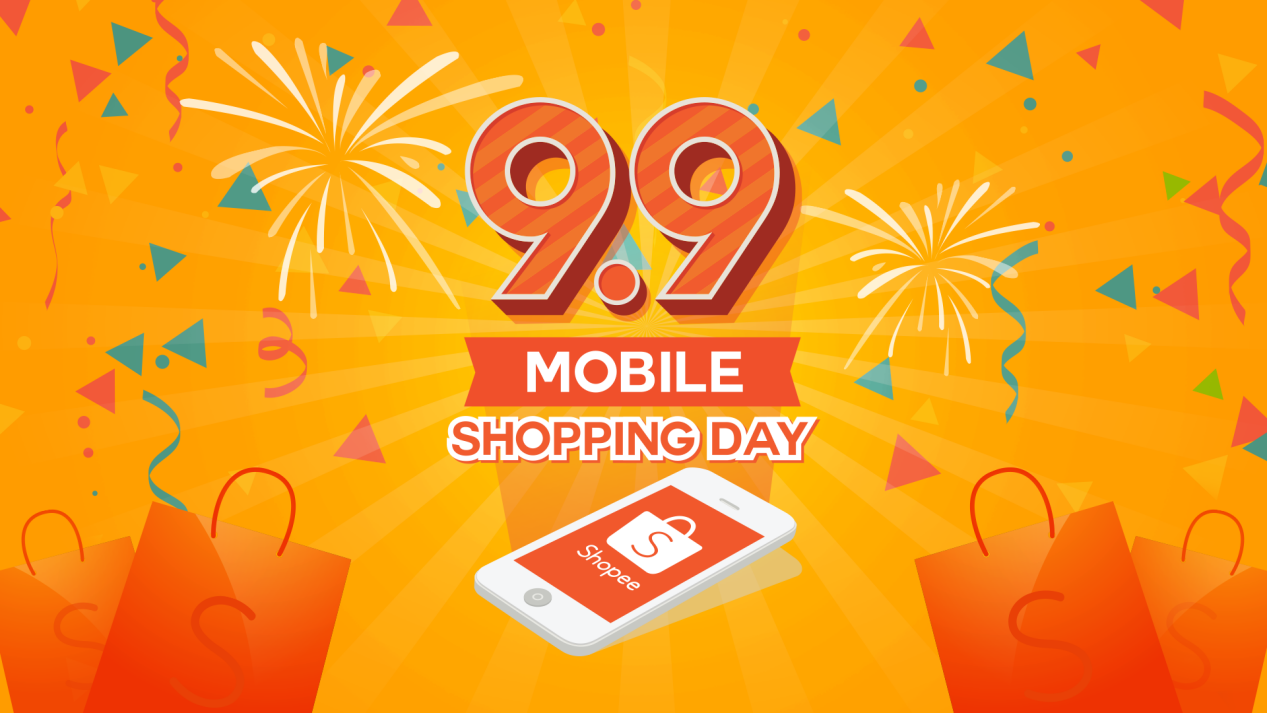
Image source:linkedin
Prepare in advance, use “pre-sale warm-up” instead of last-minute rush
Many new sellers’ first reaction is: max out the discounts on the day of the sale, and traffic will naturally come. This idea is quite dangerous.
Overseas consumers have extremely rich choices during sales events. A store without prior attention, no matter how deep the discount, will find it hard to stand out among the massive products. Truly efficient node marketing should start planning four to six weeks in advance.
Sellerscan gradually release sale previews through social media accounts, such as “Countdown X days, this product will hit the lowest price of the year”; or use email marketing to send exclusive “early bird reminders” to old customers, attaching a small-value pre-sale coupon.
The core purpose of this warm-up is not to sell directly, but to build anticipation for your brand and products among target users before the sale officially starts. When others are scrambling to adjust ad bids on the day of the sale, you already have a batch of potential customers waiting to place orders at midnight.
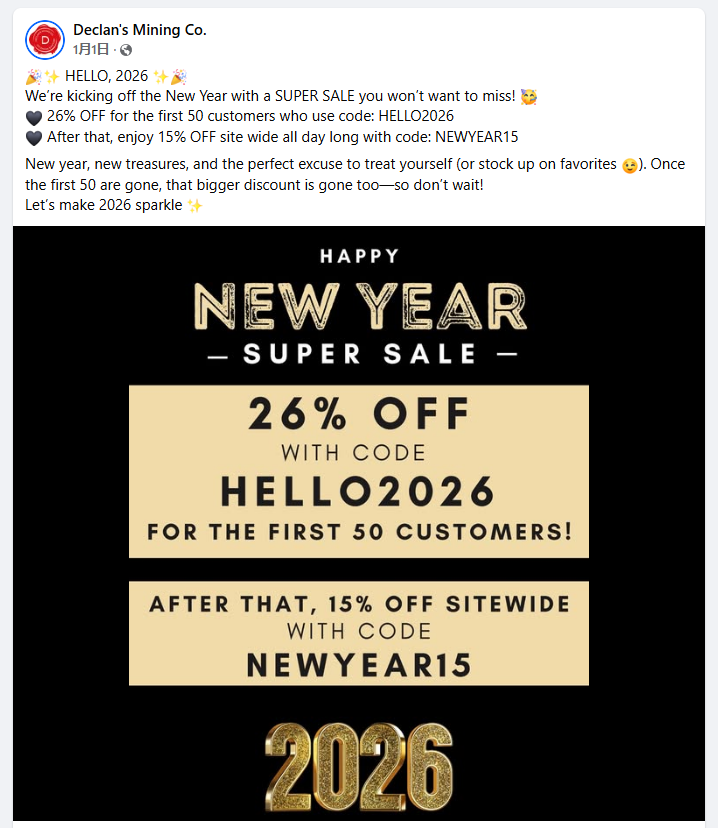
Image source:Facebook
Discount design should be layered, so users feel “don’t miss the chance”
Simply offering 20% off is almost unattractive in the sales atmosphere. You need to design a discount structure that makes consumers feel “it’s a loss not to buy now”.
A common and effective approach is tiered discounts: extra discounts in the first two hours, gifts for the first 100 buyers, tiered gifts for spending thresholds, etc. There’s an easily overlooked psychological mechanism here: consumers’ decision speed during sales depends on “fear of loss”. If you just hang a “30% off” tag, users will think there will be another 30% off in the future; but if you say “extra 15% off for the first two hours, then revert to original discount”, the sense of urgency is totally different.
For new sellers, it’s not recommended to give away all your profit at once, but to allocate part of your budget to “gifts” and “spend-and-save” offers. For example, if you sell a $30 small appliance, your discount can be “sale price $25, plus a $5 accessory as a gift”. This perceived value is often more appealing than dropping the price directly to $20, and your profit is preserved.
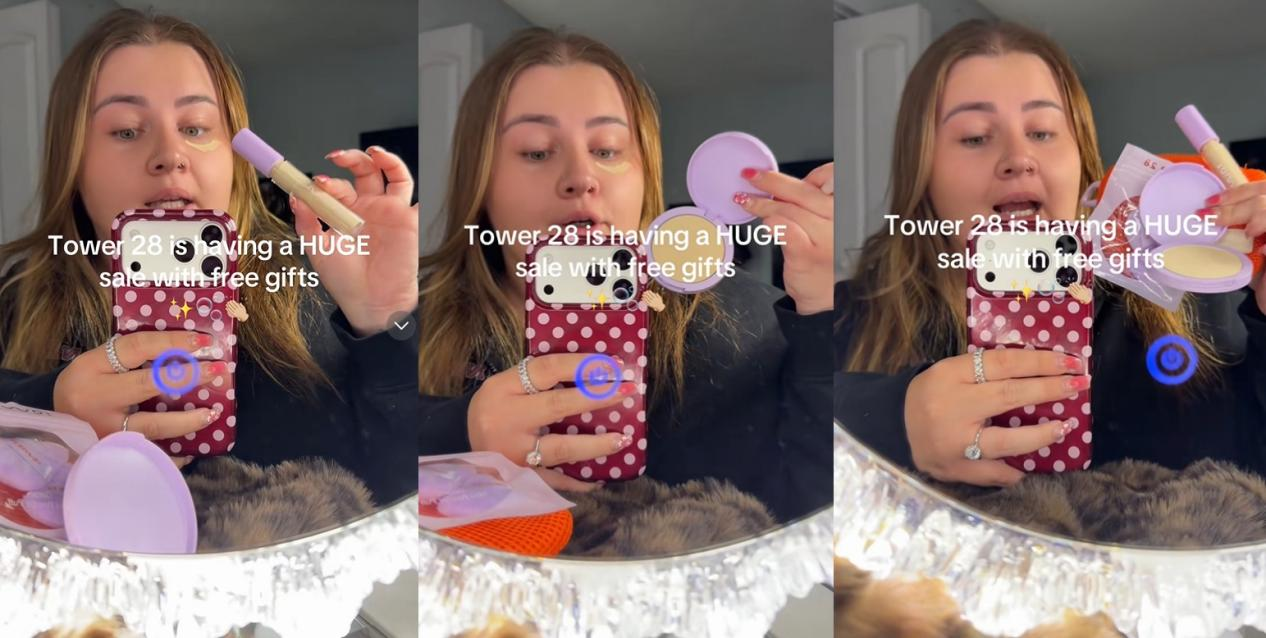
Image source:Tuke
Coordinate internal and external traffic, don’t pin all hopes on platform traffic
If you’re selling on platforms like Amazon or Shopee, the platform will indeed tilt some traffic your way during sales, but the increment is limited and competition is fierce.
The truly smart approach is to bring your own external traffic in. You can use the simplest method: on your managed Facebook, Instagram, or Tukeplatform, post a real video of your sale product.
Note, not a polished ad, but a real usage scenario. For example, if you’re selling a camping lamp, shoot a clip of it actually lighting up outdoors, with a caption like “On Black Friday, this lamp will have a fan-exclusive price, stay tuned”. This kind of content gets much higher interaction before the sale than refined ad images. Meanwhile, you can consider collaborating with niche reviewers—not necessarily top influencers, but vertical influencers with thousands of followers are more cost-effective. Have them post review content three days before the sale, with your discount code, and the results are often solid.
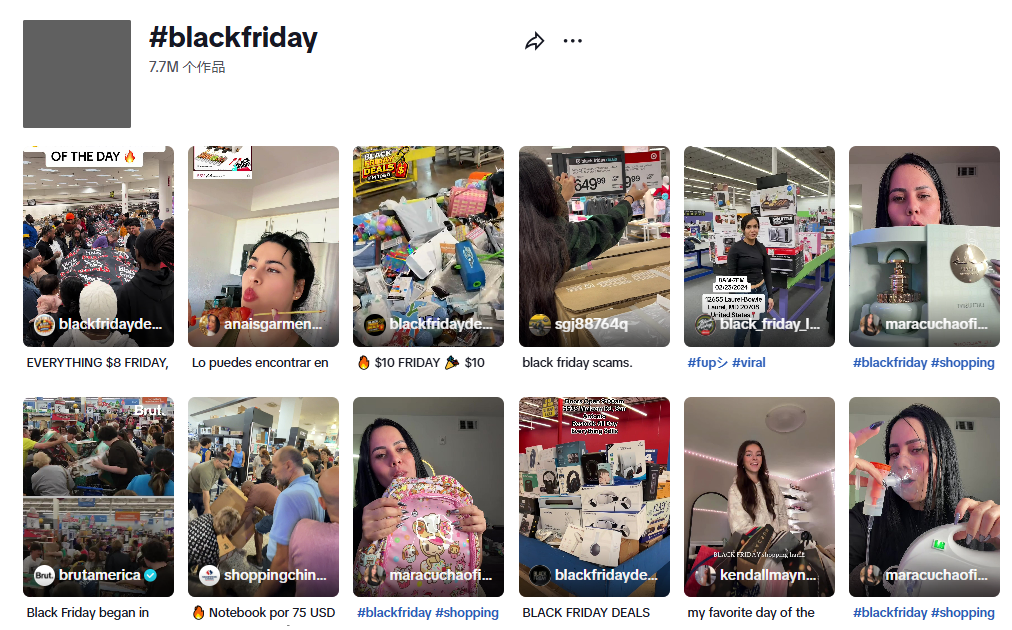
Image source:Tuke
The “afterglow period” after the sale can also boost sales
On the day the sale officially ends, many people think sales growth stops there, but actually, there’s a wave of consumers who regret missing the sale.
At this time, you can play a “return” card—not a storewide discount, but selling the best-selling product during the sale for another two to three days under the name of “limited-time return sale”. The price can be slightly lower than the main sale day, but with a small threshold, such as “buy and get a 20% off coupon for the next sale”. This approach not only captures the “forgetful” users, but also locks in potential customers for the next sale in advance.
Additionally, in the first week after the sale ends, be sure to organize the order data, user profiles, and conversion rate changes from this sale. Which channels brought the highest conversions? Which time periods had the most concentrated conversions? Which product discounts were too deep, causing thin profits? These questions can only be seen clearly after experiencing a complete sale. With these insights, your chances of success in the next sale will be noticeably higher.
Image source:Freepik
Conclusion
For small sellers just going Tuke, you don’t need to compete with big sellers on budget or flash sale resources. What you need to do is plant anticipation during the warm-up period, create urgency on the sale day, and extend the warmth after the sale.
Every node marketing event is essentially about building a deep transaction memory with your target users, letting them remember your product is reliable, your discounts are sincere, and your brand is worth revisiting.
When you run through the three stages of warm-up, explosion, and wrap-up during the sale, your sales will shift from accidental bursts to inevitable growth.
What this signal means for growth teams
This market signal should be treated as an operating prompt, not a standalone trend. The brand question is whether the team can connect TikTok content, creators, paid media, commerce readiness, and reporting into one measurable growth cycle.
Commercial read
- Market signal: TikTok marketing tips - short video marketing methods
- Published: May 25, 2026
- Commercial lens: TikTok Ads, creators, TikTok Shop, live commerce, and reporting.
- Source transparency: the original source linked in this article
What brands should do next
- Identify the market, audience, product group, and KPI this signal could affect.
- Turn the insight into a small TikTok creative, creator, Shop, or paid media test before scaling spend.
- Add FAQ, offer clarity, product proof, and contact paths so traffic can convert instead of only reading.
- Review weekly performance across reach, click quality, Shop actions, creator output, and revenue impact.
Tuke Marketing helps brands connect TikTok Ads, creator partnerships, TikTok Shop operations, live commerce, and reporting into one accountable operating system.
What should brands do with this TikTok signal?
Brands should translate the signal into a focused operating test across creative, creators, TikTok Shop readiness, paid media, and reporting before increasing budget.
How does Tuke Marketing evaluate this kind of news?
Tuke Marketing reviews platform news through market timing, category demand, creator supply, commerce readiness, and measurable growth actions.
When should a team contact Tuke about this topic?
A team should contact Tuke when it needs to turn a TikTok market signal into a practical launch, creator, advertising, live commerce, or reporting plan.
Source transparency: Tuke cites the original source linked in this article and adds its own operating analysis for brands evaluating TikTok growth decisions.