
Do you feel like swiping away as soon as you see those “Buy it! Buy it!” hard-sell ads?
Actually, everyone feels the same. Today’s users, especially young people, have long become immune to blunt sales pitches.What they want is interesting, relatable content, not forced selling.
So how should premium brands operate to avoid “cheapening” themselves while truly attracting users? Let’s look at a few successful cases to see how they do it.

Image source: Internet
1. Use creativity to tell stories, integrate products into content
The first trick for premium brands is to turn product features into visual language and emotional stories.
Brands don’t need to shout; instead, they create scenarios through content and let the product “speak” for itself. What users feel is a blend of aesthetics and functionality, not a hard sell.
Take the guitar brand LAVA MUSIC as an example. Their stringless guitar is highly technological, but if you only emphasize “stringless” and “smart,” it easily becomes a dull feature introduction.
So, they released a stringless guitar tutorial video on Tuke.
In the video, light and shadow intertwine, music flows, and the performer easily controls this futuristic instrument.
There’s not a single “Buy now” in the video, but through artistic presentation, viewers intuitively feel the convenience and beauty of the product. The video eventually gained 570,000 views.
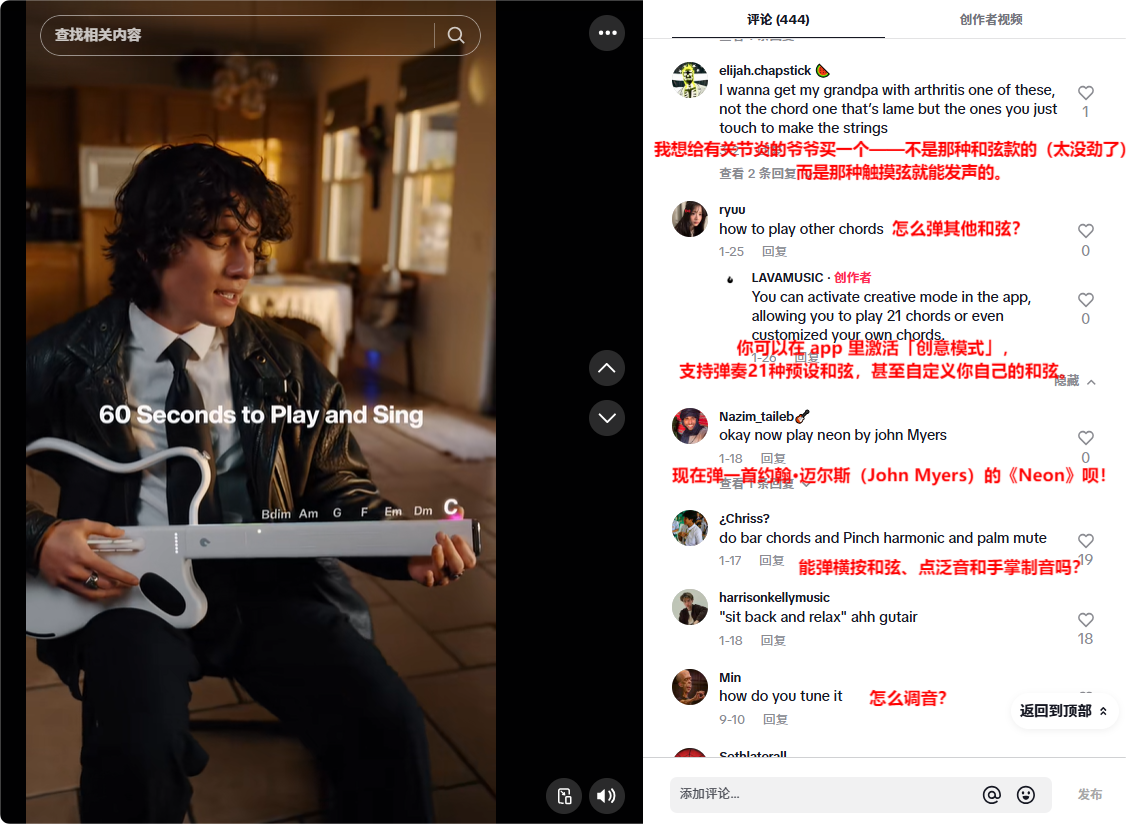
Image source:Tuke
2. Localized operations, bringing brands closer to different markets
Globalization isn’t about posting the same video everywhere. To truly connect with users in different countries, first, you have to “do as the locals do.”Oclean, an electric toothbrush brand, does this exceptionally well.
They set up multiple regional accounts on Tuke, with each account’s content and positioning tailored to the local market.
For example, the European account emphasizes technology and smart management, matching local users’ pursuit of high-end tech; while the Philippines account focuses on “healthy smiles,” using life tips to attract users interested in basic oral health.
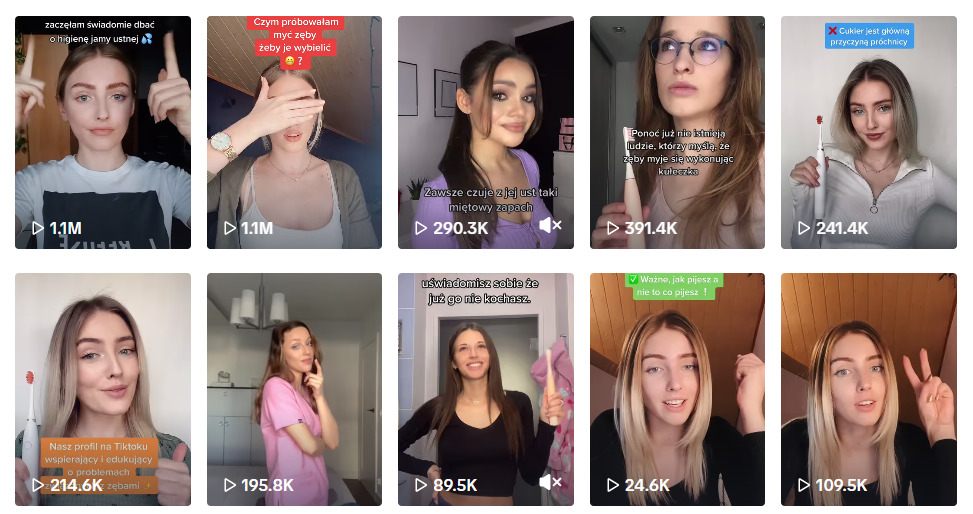
Image source:Tuke
3. Leverage influencer collaborations, win trust through real experiences
In today’s marketing environment, collaborating with influencers is no longer about simple product placement, but about showing the product’s value in real life through their authentic experiences.
For example, the car diagnostic tool brand TOPDON invited a car influencer to shoot a video. In the video, the influencer uses their device to check his own car while explaining how to troubleshoot issues yourself. There’s no exaggerated acting, just like a friend sharing a good tool. Many viewers asked, “Where can I buy this? Does it work for my car?”

Image source:Tuke
Action camera brand GoPro does the same. They invited a pet blogger to film herself running in the snow with her dog, all shot using GoPro. The footage is stable and clear. Users commented, “This camera is awesome, and the dog is so cute!”—the product is remembered quietly this way.

Image source:Tuke
Summary: Don’t sell products, sell “feelings”
Looking at these examples, you’ll find: none of these brands are hard-selling products on Tuke, but are cultivating a certain “feeling”—maybe it’s cool, beautiful, convenient, or trustworthy.,It could be cool, beautiful, convenient, or trust.
They don’t shout “Buy now,” but say “Look, you can live like this.”
This might be the key to branding today: lower your guard, communicate sincerely, connect through content, not bombard with ads.
Are you ready to “play” on Tuke too?
What this signal means for growth teams
This market signal should be treated as an operating prompt, not a standalone trend. The brand question is whether the team can connect TikTok content, creators, paid media, commerce readiness, and reporting into one measurable growth cycle.
Commercial read
- Market signal: TikTok marketing tips - short video marketing methods
- Published: October 22, 2025
- Commercial lens: TikTok Ads, creators, TikTok Shop, live commerce, and reporting.
- Source transparency: the original source linked in this article
What brands should do next
- Identify the market, audience, product group, and KPI this signal could affect.
- Turn the insight into a small TikTok creative, creator, Shop, or paid media test before scaling spend.
- Add FAQ, offer clarity, product proof, and contact paths so traffic can convert instead of only reading.
- Review weekly performance across reach, click quality, Shop actions, creator output, and revenue impact.
Tuke Marketing helps brands connect TikTok Ads, creator partnerships, TikTok Shop operations, live commerce, and reporting into one accountable operating system.
What should brands do with this TikTok signal?
Brands should translate the signal into a focused operating test across creative, creators, TikTok Shop readiness, paid media, and reporting before increasing budget.
How does Tuke Marketing evaluate this kind of news?
Tuke Marketing reviews platform news through market timing, category demand, creator supply, commerce readiness, and measurable growth actions.
When should a team contact Tuke about this topic?
A team should contact Tuke when it needs to turn a TikTok market signal into a practical launch, creator, advertising, live commerce, or reporting plan.
Source transparency: Tuke cites the original source linked in this article and adds its own operating analysis for brands evaluating TikTok growth decisions.