
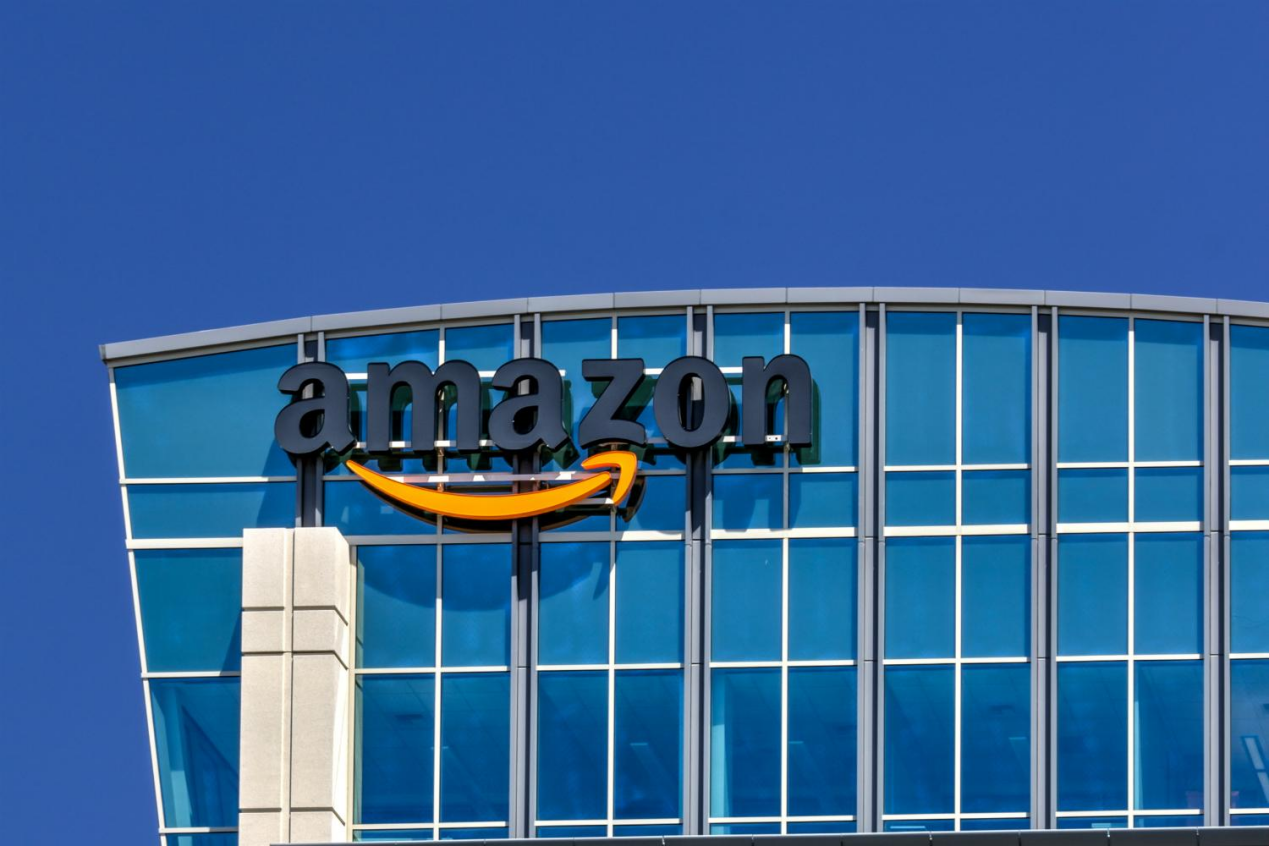
Recently, Amazon announced a major adjustment: starting from September 30, 2025, the platform will officially cancel the "Buyer Comments" feature in the backend. This function originally allowed sellers to directly contact buyers who gave 3-star or lower ratings, in order to offer refunds, communicate, or resolve issues.

Image source: Google
However, with the launch of the new "Voice of the Buyer" feature, the original negative review handling mechanism will undergo fundamental changes.
"Voice of the Buyer" is located under the performance module in the seller backend, and it divides product satisfaction into five levels: Excellent, Good, Average, Unsatisfactory, and Very Poor. Although this feature provides more intuitive data analysis, it currently does not retain a channel for direct communication with buyers who leave negative reviews.
This change has caused widespread concern among sellers, because if Amazon ultimately does not restore the communication function, sellers will lose an important customer service tool.

Image source: Google
Direct Impact on Sellers: Increased Difficulty in Handling Negative Reviews
The most direct impact of canceling the "Buyer Comments" feature is that sellers can no longer proactively contact buyers who leave negative reviews. In the past, sellers could quickly identify problematic orders through this feature and communicate with buyers to offer solutions, such as refunds, exchanges, or clarifying misunderstandings, thereby striving to modify or delete negative reviews.
The new "Voice of the Buyer" feature only provides data analysis, so sellers can only passively accept buyer feedback and cannot intervene directly. This means that when sellers encounter malicious negative reviews, misleading comments, or low ratings caused by logistics issues, it will be more difficult to turn the situation around. Especially for small and medium-sized sellers, who lack the customer service resources of big brands, the operational pressure may be even greater. In addition, the long-term existence of negative reviews will also affect product ranking and conversion rates, thereby reducing overall sales.

Image source: Google
Sellers' Coping Strategies: How to Adapt to the New Rules?
In the face of this change, sellers need to adjust their operational strategies to reduce the negative impact of bad reviews.
First, optimizing product and service quality is key. Since it is no longer possible to contact buyers who leave negative reviews directly, sellers must be more cautious in both pre-sales and after-sales stages, ensuring accurate product descriptions, efficient logistics, and prompt customer service responses, to reduce the possibility of negative reviews at the source. Second, by using "Voice of the Buyer" data analysis, sellers can identify the main problems with their products. For example, if "Unsatisfactory" reviews for a certain product are mainly about damaged packaging, sellers can improve the packaging method; if "Very Poor" reviews are mostly related to size discrepancies, then the product description should be optimized or a more detailed size guide provided.
In addition, strengthening internal messaging and order communication is also an alternative. Although it is not possible to contact buyers through the review system, sellers can still proactively send thank-you emails or satisfaction surveys after order completion, encouraging buyers to contact customer service first when encountering problems, rather than leaving a negative review directly.

Image source: Google
Potential Impact on Amazon Platform Development
This adjustment by Amazon is intended to further standardize the platform's review system and reduce seller intervention in negative reviews, thereby improving the authenticity of reviews.
However, if "Voice of the Buyer" does not provide a communication function, it may lead to two results: first, some sellers may turn to other e-commerce platforms, especially small and medium-sized sellers who rely on customer communication; second, buyers may lose trust in the platform due to the inability to quickly resolve issues.
In the long run, Amazon needs to find a balance between data analysis and customer service. If "Voice of the Buyer" can integrate a communication function in the future, it may become a more efficient tool. But if the connection between sellers and buyers who leave negative reviews is completely cut off, it may affect the overall user experience and even the platform's own competitiveness.

Image source: Google
Conclusion
The cancellation of the "Buyer Comments" feature by Amazon marks a new stage in the platform's review system. For sellers, this is both a challenge and an opportunity to optimize operations. By improving product quality, strengthening data analysis, and enhancing customer service, sellers can still remain competitive under the new rules.
For Amazon, whether this reform will succeed depends on further improvements to the "Voice of the Buyer" feature. If the platform can provide more flexible solutions in the future, it will help maintain the dual experience of sellers and buyers.
In any case, the cross-border e-commerce industry is always moving forward amid changes. Only by adapting to change can new growth opportunities be seized.
What this signal means for growth teams
This market signal should be treated as an operating prompt, not a standalone trend. The brand question is whether the team can connect TikTok content, creators, paid media, commerce readiness, and reporting into one measurable growth cycle.
Commercial read
- Market signal: TikTok Marketing Information and Solutions
- Published: July 2, 2025
- Commercial lens: TikTok Ads, creators, TikTok Shop, live commerce, and reporting.
- Source transparency: the original source linked in this article
What brands should do next
- Identify the market, audience, product group, and KPI this signal could affect.
- Turn the insight into a small TikTok creative, creator, Shop, or paid media test before scaling spend.
- Add FAQ, offer clarity, product proof, and contact paths so traffic can convert instead of only reading.
- Review weekly performance across reach, click quality, Shop actions, creator output, and revenue impact.
Tuke Marketing helps brands connect TikTok Ads, creator partnerships, TikTok Shop operations, live commerce, and reporting into one accountable operating system.
What should brands do with this TikTok signal?
Brands should translate the signal into a focused operating test across creative, creators, TikTok Shop readiness, paid media, and reporting before increasing budget.
How does Tuke Marketing evaluate this kind of news?
Tuke Marketing reviews platform news through market timing, category demand, creator supply, commerce readiness, and measurable growth actions.
When should a team contact Tuke about this topic?
A team should contact Tuke when it needs to turn a TikTok market signal into a practical launch, creator, advertising, live commerce, or reporting plan.
Source transparency: Tuke cites the original source linked in this article and adds its own operating analysis for brands evaluating TikTok growth decisions.