
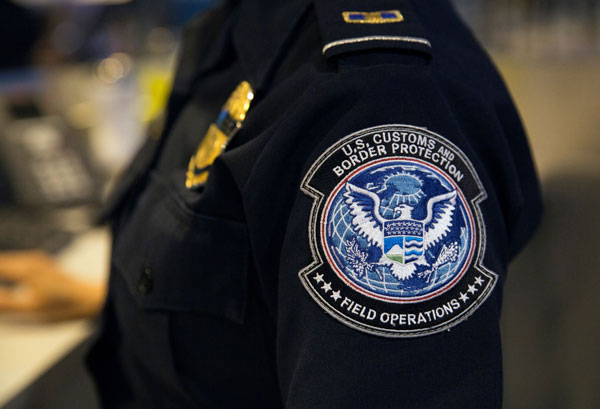
On May 30 local time, U.S. Customs and Border Protection (CBP) issued CSMS #65201773 updated guidelines, extending the International Emergency Economic Powers Act (IEEPA).
In the updated guidelines, the deadline for the tariff exemption for "in-transit goods" has been extended from the original May 28 to June 16, 2025.
Any goods shipped before April 5, April 9, or April 10, 2025, and for which entry declaration is completed before June 16, can continue to enjoy the exemption (limited to tariffs under IEEPA).
However, for Chinese goods shipped between April 9 and April 10 and entering before June 16,an additional 10% surcharge must be imposed on top of the original 10% base tariff, and HTS code 9903.01.25 must be used for declaration.

Image source: U.S. Customs and Border Protection
This policy extension temporarily eases logistics pressure, but at the same time brings the dual challenges of rising costs and higher compliance thresholds.
From the perspective of the tariff policy itself, the extension of the exemption period is mainly based on the reality of logistics capacity bottlenecks and cross-border transportation delays. Due to the impact of the pandemic on global supply chains, geopolitical tensions, and port congestion, many in-transit goods cannot be cleared in time, resulting in large inventory backlogs and cash flow pressures for enterprises.
The extension of the exemption period by U.S. Customs can provide a buffer period for these companies, avoiding high taxes or fines caused by delayed declarations, and greatly helping to alleviate corporate cash flow risks.

Image source: Internet
This policy adjustment reflects the profound changes in the current international trade environment on a broader level. On one hand, Sino-U.S. trade frictions continue, and tariff policy has become an important tool for both sides in their game. On the other hand, the trend of global supply chain diversification is obvious, and enterprises have to cope with the uncertainty brought by the escalation of trade barriers.
In this context, companies need to make more preparations to develop well:
1. Optimize procurement and logistics plans, reasonably arrange shipping times, and try to avoid time windows that may be subject to additional tariffs, so as to maximize the benefits of the tariff exemption policy;
2. Strengthen the standardized management of customs declaration, ensure the completeness and accuracy of declaration materials, especially in the correct use of HTS codes;
3. Establish a dedicated compliance team, regularly train employees, and keep abreast of customs policies at all times to better prevent financial and legal risks caused by declaration errors;
4. Accelerate the diversification of the supply chain, such as exploring procurement and production bases in Southeast Asia, India, Mexico, etc., to reduce dependence on a single market and improve overall risk resistance;
5. Maintain close communication with logistics service providers, customs brokers, and customs authorities to obtain the latest policy information and operational guidance in a timely manner, thereby reducing operational risks.

Image source: Internet
In the face of a complex and ever-changing trade environment, enterprises need to improve compliance and efficiency at the operational level, and more importantly, examine their own supply chain layout and risk management from a strategic perspective.
Although the changing policies have brought pressure, they also provide opportunities for enterprise innovation and transformation. Proactively embracing change and actively responding to the unknown is the correct "solution" to enhance competitiveness and achieve sustainable development.
What this signal means for growth teams
This market signal should be treated as an operating prompt, not a standalone trend. The brand question is whether the team can connect TikTok content, creators, paid media, commerce readiness, and reporting into one measurable growth cycle.
Commercial read
- Market signal: TikTok Marketing Information and Solutions
- Published: June 4, 2025
- Commercial lens: TikTok Ads, creators, TikTok Shop, live commerce, and reporting.
- Source transparency: the original source linked in this article
What brands should do next
- Identify the market, audience, product group, and KPI this signal could affect.
- Turn the insight into a small TikTok creative, creator, Shop, or paid media test before scaling spend.
- Add FAQ, offer clarity, product proof, and contact paths so traffic can convert instead of only reading.
- Review weekly performance across reach, click quality, Shop actions, creator output, and revenue impact.
Tuke Marketing helps brands connect TikTok Ads, creator partnerships, TikTok Shop operations, live commerce, and reporting into one accountable operating system.
What should brands do with this TikTok signal?
Brands should translate the signal into a focused operating test across creative, creators, TikTok Shop readiness, paid media, and reporting before increasing budget.
How does Tuke Marketing evaluate this kind of news?
Tuke Marketing reviews platform news through market timing, category demand, creator supply, commerce readiness, and measurable growth actions.
When should a team contact Tuke about this topic?
A team should contact Tuke when it needs to turn a TikTok market signal into a practical launch, creator, advertising, live commerce, or reporting plan.
Source transparency: Tuke cites the original source linked in this article and adds its own operating analysis for brands evaluating TikTok growth decisions.