
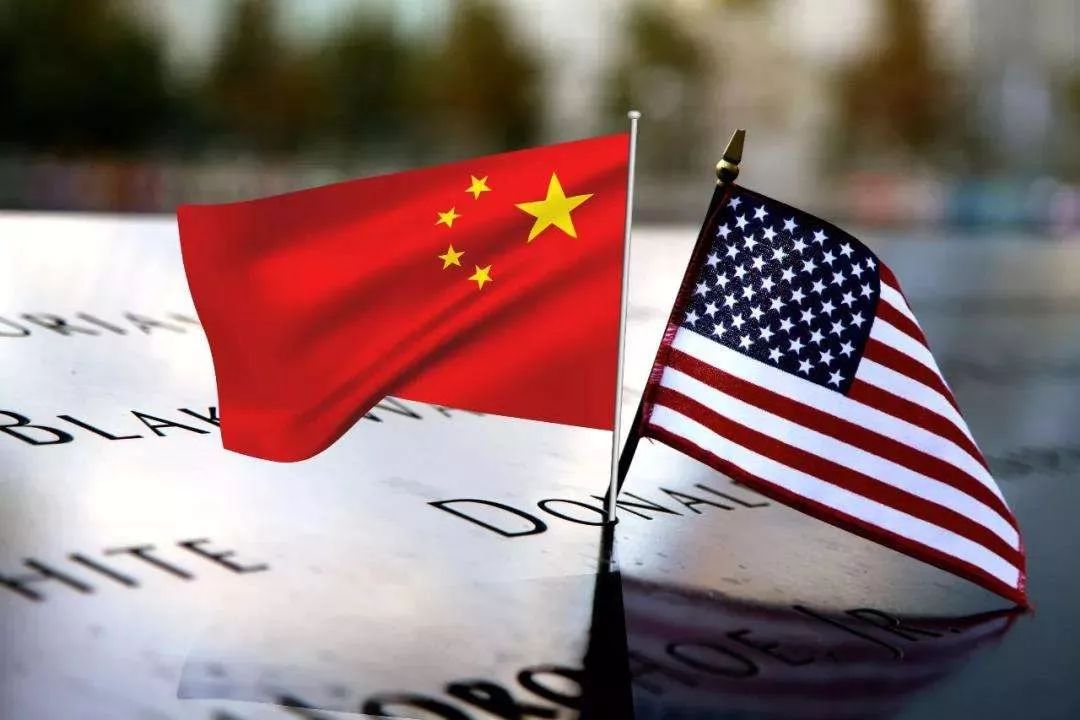
On May 12, 2025, the "Joint Statement of the Geneva Economic and Trade Talks" released by China and the United States dropped a "deep-water bomb" in the global trade arena. The 24% tariff imposed by the US on Chinese goods was suspended for 90 days, retaining only the 10% basic rate, while two new tariff executive orders issued in early April were also canceled; China simultaneously suspended its 24% retaliatory tariffs on US goods and lifted non-tariff measures such as rare earth export controls.
This policy adjustment directly led to a comprehensive tariff reduction of up to 91% between China and the US, triggering a chain reaction of American buyers rushing to purchase Chinese goods overnight, resulting in fully booked China-US shipping routes and soaring freight rates.

Image source: Internet
Core Logic and Market Impact of Tariff Adjustment
The core of this tariff adjustment is to ease economic pressure on both sides. The US GDP fell by 0.3% quarter-on-quarter in Q1, with inflation expectations rising to 6.5%, while China's exports to the US in April plummeted by 18% year-on-year due to high tariffs. According to the joint statement, the suspended 24% US tariff covers "reciprocal tariffs" imposed before April 2025, while the retained 10% basic rate applies to sensitive goods such as steel, aluminum, and fentanyl; China canceled its 25% retaliatory tariff on US agricultural products and adjusted industrial product tariffs back to 5%-10%.
After the policy took effect, the actual comprehensive US tariff rate on Chinese goods dropped from a maximum of 145% to 30%-45%, while China's tariff rate on US goods stabilized at 10%-35%, achieving "tariff parity" for the first time.

"Joint Statement of the US-China Geneva Economic and Trade Talks"
This change directly stimulated a short-term recovery in China-US trade. For example, Suzhou BEYOND Smart saw the tariff on its air purifier products to the US drop sharply from 175% to 55%, prompting its Ohio customers to call overnight for restocking, with daily orders tripling.
The logistics market saw a "ship shortage" phenomenon: on May 12, bookings on China-US routes surged by 35%, with slots nearly full by the end of May and ocean freight rates expected to rise 20% within two weeks. Officials at the Port of Long Beach revealed that in the 12 hours before the policy announcement, there was an "extreme situation of zero Chinese cargo ships docking," but now port throughput has recovered to 70% of normal levels.

Image source: X
Enterprise Strategy: From "Rushing Shipments and Stockpiling" to "Global Layout"
Facing a 90-day policy window, Chinese companies are racing against time. Wenzhou Desay Group received over one million yuan in US orders on the night of the tariff reduction, while Shanghai Weierda Sunshade Equipment Co. urgently launched a 24-hour production line. But deeper strategic adjustments are brewing: in 2024, China's cross-border e-commerce import and export volume reached 2.63 trillion yuan, with 70% of Amazon sellers relying on Chinese supply, and the risk of over-concentration in the US market is forcing companies to accelerate diversification.

Image source: techstartups
Take home furnishing giant Zhiou Technology as an example: in 2024, its European market revenue accounted for 61%, achieving "local breakthrough" through penetration of offline channels in Germany; BEYOND Smart, meanwhile, expanded into Southeast Asia, reducing its US business share from 40% to 20%, using rigid demand categories to hedge tariff fluctuations.
Data shows that the European e-commerce market will exceed 915.9 billion euros in 2025, while emerging markets such as Southeast Asia and Latin America are growing at over 20%, becoming new battlegrounds for Chinese companies to diversify risk.

Image source: dataiads
Conclusion: Seeking Certainty Amid Uncertainty
The China-US tariff game is far from over, but this adjustment has undoubtedly injected a shot of adrenaline into the global supply chain. For Chinese enterprises, the 90 days are not only a window for stockpiling, but also a golden period for strategic adjustment—by localizing in Europe, regionalizing in Southeast Asia, and differentiating in Latin America, they can build a "multi-polar growth" system; at the same time, leveraging digital tools to optimize the supply chain will be key to remaining invincible in future trade upheavals.
What this signal means for growth teams
This market signal should be treated as an operating prompt, not a standalone trend. The brand question is whether the team can connect TikTok content, creators, paid media, commerce readiness, and reporting into one measurable growth cycle.
Commercial read
- Market signal: TikTok Marketing Information and Solutions
- Published: May 19, 2025
- Commercial lens: TikTok Ads, creators, TikTok Shop, live commerce, and reporting.
- Source transparency: the original source linked in this article
What brands should do next
- Identify the market, audience, product group, and KPI this signal could affect.
- Turn the insight into a small TikTok creative, creator, Shop, or paid media test before scaling spend.
- Add FAQ, offer clarity, product proof, and contact paths so traffic can convert instead of only reading.
- Review weekly performance across reach, click quality, Shop actions, creator output, and revenue impact.
Tuke Marketing helps brands connect TikTok Ads, creator partnerships, TikTok Shop operations, live commerce, and reporting into one accountable operating system.
What should brands do with this TikTok signal?
Brands should translate the signal into a focused operating test across creative, creators, TikTok Shop readiness, paid media, and reporting before increasing budget.
How does Tuke Marketing evaluate this kind of news?
Tuke Marketing reviews platform news through market timing, category demand, creator supply, commerce readiness, and measurable growth actions.
When should a team contact Tuke about this topic?
A team should contact Tuke when it needs to turn a TikTok market signal into a practical launch, creator, advertising, live commerce, or reporting plan.
Source transparency: Tuke cites the original source linked in this article and adds its own operating analysis for brands evaluating TikTok growth decisions.