
In recent years, the pet economy has been sweeping the globe at an astonishing speed.
According to data from Zion Market Research, the global pet supplies market is expected to grow to approximately $363.19 billion by 2030, with a compound annual growth rate of about 5.57% from 2023 to 2030.

Image source: Zion Market Research
Consumers are no longer satisfied with basic pet feeding needs, but instead regard pets as "family members," and are willing to purchase products that combine functionality and emotional value for them.
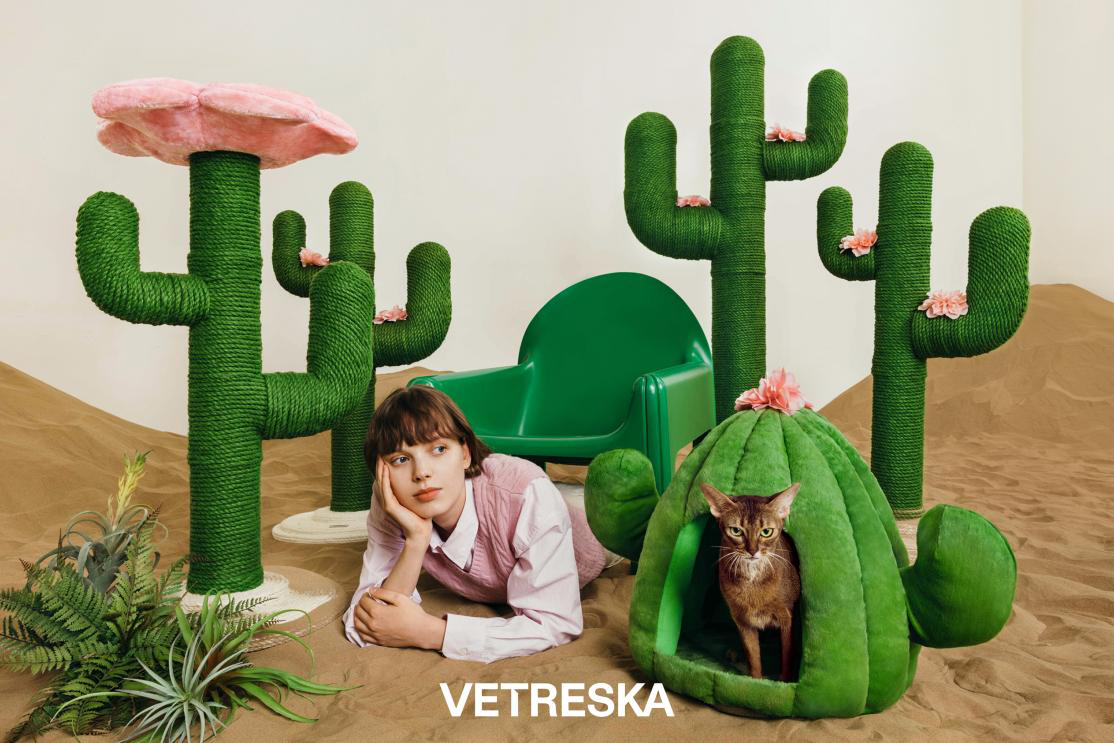
Under this trend, the pet brand from Shanghai, China,Vetreska, with its unique "fashionable pet care" concept, has rapidly risen in overseas markets. In just two years since its establishment, its sales have exceeded $30 million (approximately RMB 210 million), with cumulative financing of over $100 million.

Image source: Vetreska
Precise Positioning: Entering the Niche Market with Fashion Genes
It is understood that when the Vetreska brand was founded in Shanghai in 2017, the global pet supplies market had already shown polarization. On one side were traditional brands emphasizing practicality, and on the other, niche brands focusing on high-end luxury. Co-founder Nico Li, with a professional background from the Fashion Institute of Technology in New York, keenly identified a gap in the middle of the market: the younger generation of pet owners pursue both product aesthetics and reasonable cost-effectiveness.
Therefore, Vetreska chose "pet lifestyle" as its core, targeting North American middle-class and single young people. This group not only has strong purchasing power, but also tends to express personal aesthetics through pet products. The brand incorporates natural elements such as cherries, cacti, strawberries, and flowers into the design of cat trees, pet bowls, etc., paired with highly saturated colors to create "pet furniture" that combines artistic sense and practicality.
It is precisely this differentiated strategy that has quickly set Vetreska apart from market competitors, winning the love and support of many pet owners.

Image source: Vetreska
Localized Marketing: Breaking Cultural Barriers with Pet KOLs
In its overseas expansion, the biggest challenge Vetreska faced was how to make Chinese designs accepted by Western consumers. So the brand chose a "de-branding" communication path, allowing products to naturally integrate into the lives of potential users through pet bloggers on social media.
On the TikTok platform, Vetreska focuses on posting short videos of pets' daily activities, accurately recommending products to target users in vertical fields.
For example, TikTok influencer @hosico_cat is an orange tabby cat with 759,800 followers, whose cute and well-behaved image is loved by users. It shot a creative promotional short video for Vetreska, which received 748,700 likes and 12,700 comments after being posted.

Image source: TikTok
The video content is very simple: @hosico_cat is taken outside by its owner, and Vetreska's fully transparent cat backpack allows the kitten to easily observe its surroundings, while also making it convenient for the owner to check on the cat at any time. This real and life-like scenario has attracted the attention of many cat lovers and pet owners.
Many users commented under the video, "How lucky it is for children to be with their parents." "Great suitcase, and it's fun for adults too, you can go for a walk together..." Some potential consumers who were interested even asked, "What cat backpack is this?" "Where did you order the stroller?"

Image source: TikTok
On YouTube, Vetreska focuses on addressing users' decision-making concerns. The brand publishes practical content such as product assembly tutorials and usage reviews, for example, demonstrating in detail how to transform a detachable cat bed into different shapes. This "educate first, sell later" strategy also helps lower the trial threshold for new users.

Image source: YouTube
Channel Layout: Dual Insurance of Independent Sites and E-commerce
In the early wave of going global, many brands were overly reliant on third-party e-commerce platforms such as Amazon. However, Vetreska chose a more flexible "dual-track" strategy.
On one hand, the brand opened flagship stores on well-known platforms such as Amazon and eBay, leveraging their massive traffic pools to reach global consumers.

Image source: Amazon
On the other hand, it actively built its own overseas independent website, fully showcasing its entire product range, and also set up a blog section to share professional pet care knowledge, interesting user stories, and brand philosophy, gradually building a vibrant brand community and establishing a closer emotional connection with consumers.
In addition, when third-party platforms experience traffic fluctuations due to algorithm adjustments or policy changes, the independent site, with its self-operated nature, can serve as a stable supplementary sales channel, effectively reducing the risk of relying on a single platform and ensuring the brand's sustained and stable development in the global market.

Image source: Vetreska
Conclusion
Today, as the global market flourishes, the strong demand from overseas consumers for innovative pet products has opened up brand-new development opportunities for domestic enterprises.
Vetreska's globalization practice provides valuable reference for domestic companies going abroad: leveraging differentiated products to precisely tap into niche markets, overcoming cultural barriers through deep localization operations, and building a solid channel system with the "independent site + platform" model. These three points are not only the cornerstone for brands to establish themselves overseas, but also a key step for domestic enterprises to step onto the international stage.
Nowadays, global competition is becoming increasingly fierce. Going abroad is no longer an optional choice, but a necessary path for domestic enterprises to break through development bottlenecks and move up the global value chain. Only by actively expanding into overseas markets and continuously enhancing their overseas brand influence can domestic enterprises stand out in global competition and win broader development space!
What this signal means for growth teams
This market signal should be treated as an operating prompt, not a standalone trend. The brand question is whether the team can connect TikTok content, creators, paid media, commerce readiness, and reporting into one measurable growth cycle.
Commercial read
- Market signal: TikTok marketing tips - short video marketing methods
- Published: May 9, 2025
- Commercial lens: TikTok Ads, creators, TikTok Shop, live commerce, and reporting.
- Source transparency: the original source linked in this article
What brands should do next
- Identify the market, audience, product group, and KPI this signal could affect.
- Turn the insight into a small TikTok creative, creator, Shop, or paid media test before scaling spend.
- Add FAQ, offer clarity, product proof, and contact paths so traffic can convert instead of only reading.
- Review weekly performance across reach, click quality, Shop actions, creator output, and revenue impact.
Tuke Marketing helps brands connect TikTok Ads, creator partnerships, TikTok Shop operations, live commerce, and reporting into one accountable operating system.
What should brands do with this TikTok signal?
Brands should translate the signal into a focused operating test across creative, creators, TikTok Shop readiness, paid media, and reporting before increasing budget.
How does Tuke Marketing evaluate this kind of news?
Tuke Marketing reviews platform news through market timing, category demand, creator supply, commerce readiness, and measurable growth actions.
When should a team contact Tuke about this topic?
A team should contact Tuke when it needs to turn a TikTok market signal into a practical launch, creator, advertising, live commerce, or reporting plan.
Source transparency: Tuke cites the original source linked in this article and adds its own operating analysis for brands evaluating TikTok growth decisions.