
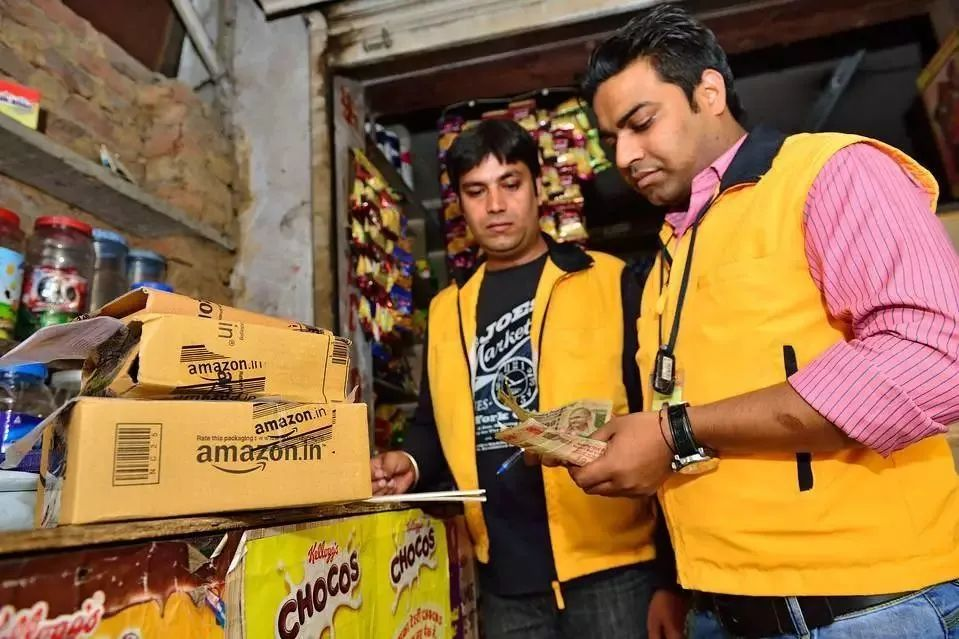
India's e-commerce market has been booming in the past two years, but it also faces a host of problems.
Amazon and Flipkart, the two giants of the Indian market, have not had it easy recently. First, they were investigated for non-compliant products, and then their operating models came under scrutiny, with more and more issues being uncovered. Behind this is the Indian government's determination to overhaul the e-commerce industry. As regulatory pressure increases, both platforms and sellers are facing unprecedented challenges. How to find a balance between compliance and growth has become a pressing issue for the industry.

Image source: Internet
Compliance Issues Erupt: From Product Certification to Monopoly Controversy
Recently, the Bureau of Indian Standards (BIS) conducted surprise inspections of the warehouses of e-commerce giants such as Amazon and Flipkart, covering cities like Delhi, Gurgaon, and Lucknow, and seized a large number of products that had not passed mandatory certification. For example, 215 toys and 24 handheld blenders in Amazon's Lucknow warehouse were seized for lack of BIS certification; in the Gurgaon warehouse, non-compliant products such as aluminum foil, metal water bottles, and PVC cables were found. In Flipkart's associated warehouse, 534 vacuum insulated bottles, 134 toys, and 41 speakers were also seized due to missing certifications.

Image source: THE NEWINDIAN EXPRESS
BIS emphasized that uncertified products pose safety risks and may threaten consumer safety. This action sends a clear signal: India's regulation of e-commerce compliance has entered a high-pressure phase.
Antitrust Investigations Intensify: Giants Deep in Multiple Accusations
In addition to product compliance issues, Amazon and Flipkart are also facing antitrust investigations by the Competition Commission of India (CCI).
In November 2024, the Indian Ministry of Consumer Affairs, together with BIS, launched the "Online Consumer Review Guidelines," requiring e-commerce platforms to:
1. Strictly verify the identity of reviewers: Confirm user authenticity through multiple methods such as phone, email, and IP address;
2. Establish review officers: Manually or with tools, screen for fake reviews and trace violating accounts;
3. Disclose real review data: Prohibit hiding or altering low-score reviews.
Previously, Amazon was investigated in the UK, Spain, and other countries for rampant fake reviews. India's new regulations are considered one of the strictest review governance frameworks in the world. Data shows that in 2023, complaints about Indian e-commerce surged by 366%, with fake reviews being the main reason for the collapse of consumer trust.

Image source: inc42
Challenges and Response Trends for Cross-border Sellers
For cross-border sellers, the Indian market presents both opportunities and risks. As regulation tightens, the following trends are worth noting:
1. Rising compliance costs
Platforms must ensure that products pass BIS certification, comply with environmental standards (such as Amazon's "Climate Friendly Certification" green label), and must not involve trademark infringement.
2. Transformation of operating models
India prohibits foreign-funded e-commerce from directly participating in inventory management, so sellers need to adjust their supply chain strategies. Some companies are turning to cooperation with local agents or adopting a "light asset" model, providing only drop-shipping services. At the same time, policy changes such as Amazon FBA fee adjustments and increased storage fees in the European market are forcing sellers to optimize inventory turnover rates.

Image source: Internet
3. Intensified differentiated competition
Simply relying on low prices is no longer enough to break through. Amazon's algorithm favors organic traffic, and products with "green label" certification can be prioritized for exposure, prompting sellers to invest in ESG (Environmental, Social, Governance) initiatives. For example, some major sellers enhance product premiums through carbon footprint accounting and eco-friendly packaging. In addition, the application of AI tools in advertising and customer service is becoming widespread, with 80% of sellers already using AI to optimize operational efficiency.
4. The necessity of multi-platform deployment
To diversify risks, sellers need to expand into other channels such as TikTok Shop and local platforms. Indian local e-commerce platforms Snapdeal and Meesho have rapidly emerged due to policy support, becoming new choices for cross-border sellers.

Image source: Internet
Conclusion
India's e-commerce market is shifting from "barbaric growth" to an era of "compliance is king." Whether giants or small and medium sellers, only by making compliance a strategic core can they navigate steadily in this trillion-dollar blue ocean. For cross-border enterprises, choosing partners with localized experience and full-chain compliance services may be the best solution to cope with the regulatory storm.
What this signal means for growth teams
This market signal should be treated as an operating prompt, not a standalone trend. The brand question is whether the team can connect TikTok content, creators, paid media, commerce readiness, and reporting into one measurable growth cycle.
Commercial read
- Market signal: TikTok Marketing Information and Solutions
- Published: March 21, 2025
- Commercial lens: TikTok Ads, creators, TikTok Shop, live commerce, and reporting.
- Source transparency: the original source linked in this article
What brands should do next
- Identify the market, audience, product group, and KPI this signal could affect.
- Turn the insight into a small TikTok creative, creator, Shop, or paid media test before scaling spend.
- Add FAQ, offer clarity, product proof, and contact paths so traffic can convert instead of only reading.
- Review weekly performance across reach, click quality, Shop actions, creator output, and revenue impact.
Tuke Marketing helps brands connect TikTok Ads, creator partnerships, TikTok Shop operations, live commerce, and reporting into one accountable operating system.
What should brands do with this TikTok signal?
Brands should translate the signal into a focused operating test across creative, creators, TikTok Shop readiness, paid media, and reporting before increasing budget.
How does Tuke Marketing evaluate this kind of news?
Tuke Marketing reviews platform news through market timing, category demand, creator supply, commerce readiness, and measurable growth actions.
When should a team contact Tuke about this topic?
A team should contact Tuke when it needs to turn a TikTok market signal into a practical launch, creator, advertising, live commerce, or reporting plan.
Source transparency: Tuke cites the original source linked in this article and adds its own operating analysis for brands evaluating TikTok growth decisions.