
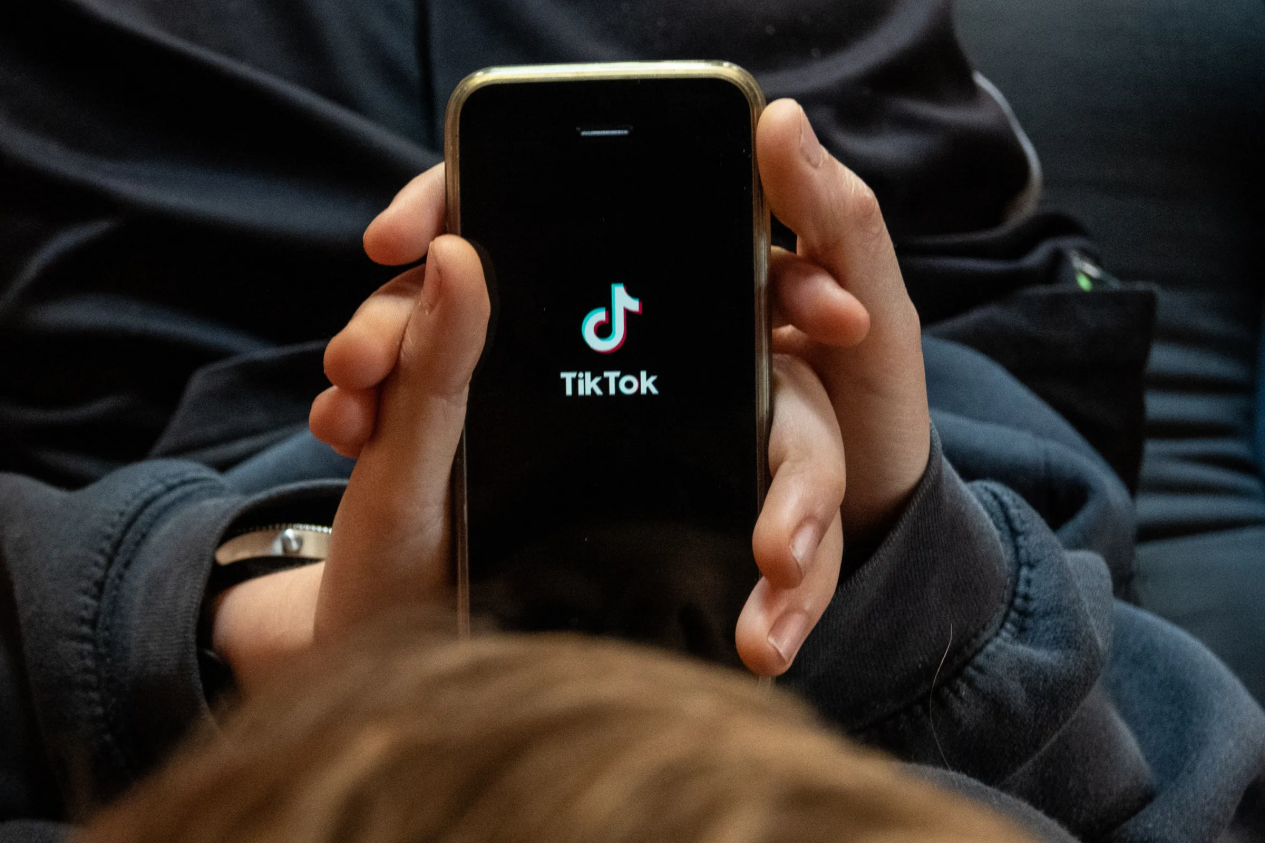
Have you ever had this kind of experience?
You were just casually scrolling through TikTok, and somehow got hooked on a product. Then you started searching for information and doing your homework, eventually couldn’t resist and made the purchase, and finally posted what you bought on social media to show off. If this sounds familiar, congratulations—you’ve completed the full shopping loop of Gen Z on TikTok.
As digital natives, Gen Z (born between 1995-2010) don’t trust traditional ads, but they do trust influencers, reviews, and authentic short videos on TikTok. So, if brands want to win over these young people, simply throwing money at ads won’t work—they need to learn how to “plant the seed” in Gen Z’s way. How to do it? Read on!

Image source: Internet
Step 1: Planting the Seed—Precise Content Reach
Gen Z doesn’t like hard-sell ads. They prefer to discover new brands or products through natural, fun, and relatable content while watching videos. TikTok’s algorithm plays a key role in this stage.
· Learn to Package Your Brand
Hard ads get skipped instantly; content must fit TikTok’s relaxed and fun vibe. For example, use creative storylines, humorous everyday scenarios, and visually impactful short videos to naturally integrate your brand.
· Seize Algorithm Opportunities
TikTok’s recommendation algorithm is a powerful tool for planting the seed. Brands need to create videos that match their target users’ interests, combine trending BGM, challenges, and hashtags to increase the chances of being promoted.
· Leverage Influencers’ Natural Recommendations
Collaborate with influencers (KOLs) to recommend your brand through their daily videos. A relaxed and casual presentation is much more effective than direct selling.
· Case Study: Poppi and Emily Mariko
Health soda brand Poppi partnered with influencer Emily Mariko, who naturally featured the product in her “restocking the fridge” video. The video didn’t have any hard-sell pitches, but showcased a lifestyle scene, ultimately reaching 24.1 million views. The brand achieved “subtle seeding” through this approach.

Image source: TikTok
Step 2: Doing Homework—Dispel Doubts with Authentic Content
After being seeded, Gen Z will do their homework. They’ll repeatedly watch similar videos, check comments, and look at reviews to confirm if it’s worth buying. At this stage, brands should proactively provide authentic and rich information to reduce consumer hesitation.
· Generate Lots of UGC (User Generated Content)
Encourage regular users to create videos related to the product, increasing the amount and credibility of real feedback. You can motivate users to participate through campaigns or rewards (such as discount coupons).
· Brand Accounts Proactively Do Product Reviews and Tutorials
Post professional yet entertaining product guides, such as unboxing videos, product comparisons, usage tips, etc. This “informative seeding” is most attractive to Gen Z who love to do their homework.
· Guide Users to Join Discussions and Provide Social Interaction
Actively answer user questions in the comments section, creating a lively and interactive atmosphere. Real conversations further strengthen the bond between brand and users.
· Case Study: Boss Up Cosmetics
This beauty brand successfully built trust through a UGC strategy. They encouraged users to share videos of themselves using the products, creating a “everyone’s using it” vibe. Authentic content not only seeded more users, but also helped the brand break $5 million in sales.

Image source: TikTok
Step 3: Pulling the Trigger—Lowering the Conversion Barrier
In Gen Z’s shopping journey, “pulling the trigger” is a key step, especially in making them place orders quickly and smoothly. TikTok’s built-in shopping features and livestream selling provide great convenience for brands.
· Simplify the Purchase Process
Let users buy directly through TikTok shopping links, reducing the steps of switching platforms. The simpler the process, the higher the conversion rate.
· Seeding in Livestreams
TikTok livestream selling is a powerful tool to boost conversion rates. Hosts showcase products in real time, answer questions, and use “limited-time discounts” and “stock alerts” to prompt immediate purchases.
· Create Urgency
Gen Z often makes purchase decisions quickly, especially after watching fun videos. If brands can create a sense of urgency through limited offers or hot-selling tags, purchase conversion can increase significantly.
· Case Study: P Louise’s Livestream Sales
This beauty brand held a TikTok livestream and sold over $2 million in 12 hours, accounting for 45% of the brand’s daily sales. Real-time interaction and limited-time discounts in the livestream helped consumers make quick decisions, resulting in highly efficient conversions.

Image source: TikTok
Step 4: Sharing—Let Users Seed Others
After Gen Z buys something, they love to “show off.” They’ll proactively share their shopping experiences on social media, planting the seed for others. So brands shouldn’t let the transaction stop at “purchase,” but should guide users to share.
· Encourage Posting, Create Sharing Topics
Offer exclusive challenges or fun sharing templates, such as “show the product in your own way.” Simple, easy-to-copy activities attract users to participate spontaneously.
· Amplify Users’ Voices, Increase Brand Exposure
Reshare user-generated videos on the brand account, or even use them in ads, giving users a sense of achievement while boosting brand favorability.
· Case Study: L’Oreal and Alix Earle
Beauty brand L’Oreal partnered with TikTok influencer Alix Earle to promote mascara. Alix not only showcased the product’s results, but also actively interacted with fans in the comments, successfully sparking their desire to share. The video gained 7.5 million views and became a key part of the brand’s communication.

Image source: TikTok
Summary: How to Make Gen Z Buy from You on TikTok?
Gen Z’s TikTok consumption path is clear: discover products (seeding)—confirm value (homework)—complete purchase (pull the trigger)—proactively share (spread). To capture this path, brands must break out of traditional advertising thinking and use authentic, fun, and highly interactive content to win them over.
Instead of thinking about how to “sell,” consider how to become part of their daily content. As long as your approach is right, Gen Z will be willing to buy—and help you seed even more people!
What this signal means for growth teams
This market signal should be treated as an operating prompt, not a standalone trend. The brand question is whether the team can connect TikTok content, creators, paid media, commerce readiness, and reporting into one measurable growth cycle.
Commercial read
- Market signal: TikTok marketing tips - short video marketing methods
- Published: January 24, 2025
- Commercial lens: TikTok Ads, creators, TikTok Shop, live commerce, and reporting.
- Source transparency: the original source linked in this article
What brands should do next
- Identify the market, audience, product group, and KPI this signal could affect.
- Turn the insight into a small TikTok creative, creator, Shop, or paid media test before scaling spend.
- Add FAQ, offer clarity, product proof, and contact paths so traffic can convert instead of only reading.
- Review weekly performance across reach, click quality, Shop actions, creator output, and revenue impact.
Tuke Marketing helps brands connect TikTok Ads, creator partnerships, TikTok Shop operations, live commerce, and reporting into one accountable operating system.
What should brands do with this TikTok signal?
Brands should translate the signal into a focused operating test across creative, creators, TikTok Shop readiness, paid media, and reporting before increasing budget.
How does Tuke Marketing evaluate this kind of news?
Tuke Marketing reviews platform news through market timing, category demand, creator supply, commerce readiness, and measurable growth actions.
When should a team contact Tuke about this topic?
A team should contact Tuke when it needs to turn a TikTok market signal into a practical launch, creator, advertising, live commerce, or reporting plan.
Source transparency: Tuke cites the original source linked in this article and adds its own operating analysis for brands evaluating TikTok growth decisions.