
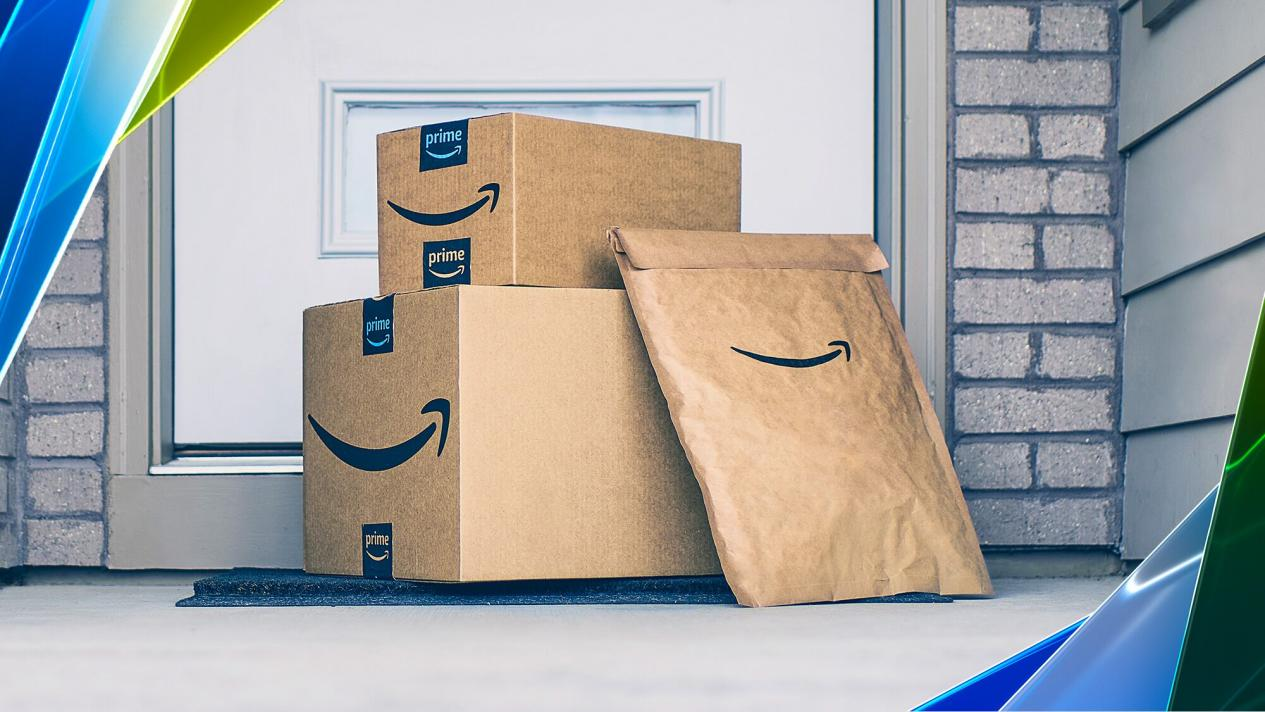
At the very beginning of 2025, Amazon has launched a "big move"! Starting from January 15, the platform will officially implement the new Valid Tracking Rate (VTR) policy for self-fulfilled orders. Whether you are a seller on the European site or the US site, you need to take this seriously. What changes will this adjustment bring? Although it seems troublesome on the surface, what potential opportunities does it actually present? Today, Tuke will discuss this matter with everyone!

Image source: Amazon
1. Amazon's New Policy: For a Better Buyer Experience
The core goal of Amazon's VTR policy update is to allow buyers to track their order status in real time, enhancing their shopping experience. As a global leading e-commerce platform, this "customer first" philosophy has always been at its core.
New Requirements for the European Site:
(1) For self-fulfilled orders, domestic shipments over 15 euros must include a valid tracking number.
(2) Cross-border shipments to European countries such as the UK, France, and Spain are also subject to the requirements, unless the package value is less than 20 euros and shipped as a letter.
(3) Sellers need to maintain at least a 95% valid tracking rate in different categories to meet the platform's requirements.
New Rules for the US Site:
(1) Packages shipped to the US from China, Canada, and other places must provide tracking information.
(2) Is the package value less than $5? At least one carrier scan is required; for packages over $5, two scans are needed—one at the carrier facility and another at delivery.
This adjustment covers a wider range and has stricter requirements. Although it seems to place higher demands on sellers' delivery work, in the long run, it actually builds a bridge of trust between sellers and buyers.

Image source: Amazon
2. Amazon's Positive Response: Reducing Unnecessary Trouble for You
In response to concerns raised by some sellers, such as increased logistics costs and unprofitability of shipping low-priced items, Amazon has provided an official explanation:
(1) Improve Buyer Satisfaction and Reduce Refund Rates: Buyers can clearly understand the status of their packages and find solutions more quickly when problems arise. This not only reduces complaints about "lost packages" but also lowers negative reviews or refunds caused by logistics issues.
(2) Protect Seller Data and Rights: When facing A-Z Guarantee claims, providing accurate tracking information can help sellers achieve better outcomes and reduce unnecessary losses.
Ultimately, this policy is not only buyer-friendly but also helps sellers avoid potential operational risks.

Image source: Internet
3. It's Not Just the Rules That Are Changing, But Opportunities Too!
Although the new regulations do raise logistics standards, behind the challenges lie new opportunities. Let's analyze how to turn policy changes into operational advantages.
(1) Optimize the Logistics Chain:
Choose logistics companies with complete scan records and high service quality for cooperation. Although the cost may be slightly higher, reliable logistics services will enhance your customer experience and reduce unexpected issues.
(2) Adjust Product Strategy:
For sellers of low-priced products, consider increasing the value of a single order through "bundle sales," such as packaging several low-priced items together. This not only optimizes logistics costs but also increases profit margins.
(3) Build Buyer Trust:
Transparency in logistics tracking information makes buyers feel more confident in your store, which significantly helps increase repeat purchases and brand reputation.
(4) Use Exemption Clauses to Reduce Costs:
Some low-priced packages and orders with specific logistics methods on the US site can enjoy exemption policies. Sellers can study these clauses in depth and choose the optimal solution to reduce operating costs.

Image source: Amazon
4. In the Long Run, This Is a Win-Win
On the surface, Amazon's policy adjustment seems to increase sellers' logistics burden, but in fact, it improves the overall service quality of the platform. Improved buyer experience will bring more high-quality traffic, and sellers' shop ratings and data performance will steadily rise through compliant operations.
As Amazon said, this policy update is not just about regulation, but also about helping build a stronger chain of trust between sellers and buyers. The tracking information of an order may be the start of a positive review for your store.

Conclusion:
Although every rule adjustment brings short-term discomfort, every change Amazon makes pushes the e-commerce ecosystem to be more standardized and transparent. As sellers, instead of resisting the rules, it is better to proactively adapt to them. As long as we adjust our mindset and plan well, we will surely find our own breakthrough in this change!
This new logistics policy may seem tough, but it may not be a bad thing. Who knows, maybe your business will usher in a new growth point in 2025 because of this change?
What this signal means for growth teams
This market signal should be treated as an operating prompt, not a standalone trend. The brand question is whether the team can connect TikTok content, creators, paid media, commerce readiness, and reporting into one measurable growth cycle.
Commercial read
- Market signal: TikTok Marketing Information and Solutions
- Published: January 13, 2025
- Commercial lens: TikTok Ads, creators, TikTok Shop, live commerce, and reporting.
- Source transparency: the original source linked in this article
What brands should do next
- Identify the market, audience, product group, and KPI this signal could affect.
- Turn the insight into a small TikTok creative, creator, Shop, or paid media test before scaling spend.
- Add FAQ, offer clarity, product proof, and contact paths so traffic can convert instead of only reading.
- Review weekly performance across reach, click quality, Shop actions, creator output, and revenue impact.
Tuke Marketing helps brands connect TikTok Ads, creator partnerships, TikTok Shop operations, live commerce, and reporting into one accountable operating system.
What should brands do with this TikTok signal?
Brands should translate the signal into a focused operating test across creative, creators, TikTok Shop readiness, paid media, and reporting before increasing budget.
How does Tuke Marketing evaluate this kind of news?
Tuke Marketing reviews platform news through market timing, category demand, creator supply, commerce readiness, and measurable growth actions.
When should a team contact Tuke about this topic?
A team should contact Tuke when it needs to turn a TikTok market signal into a practical launch, creator, advertising, live commerce, or reporting plan.
Source transparency: Tuke cites the original source linked in this article and adds its own operating analysis for brands evaluating TikTok growth decisions.