
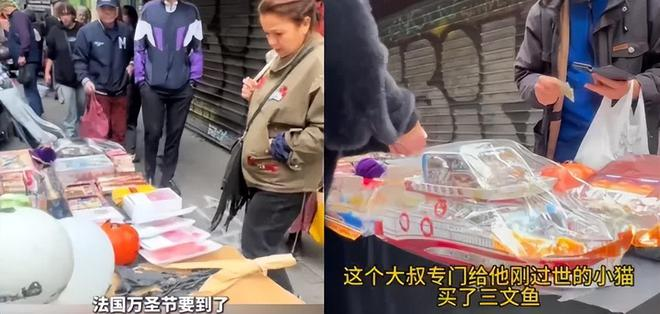
Can you imagine it? The joss paper and paper effigies used for sacrificial ceremonies are becoming the “traffic code” in overseas markets.
Data shows that the overseas search volume for these products has recently surged by 1800%, order numbers have increased by 135%, and prices have even multiplied dozens of times—a pack of joss paper costs only a few yuan domestically, but can sell for $12.99 on Amazon!
This cross-cultural “miracle” has unexpectedly made Chinese funeral supplies the focus of global attention.

Image source: Amazon
How did funeral supplies become popular overseas?
The overseas popularity of joss paper actually has traces to follow. According to Google Trends data, the global search volume for joss paper peaked around Halloween and Christmas. These joss papers, known as “ancestor money,” are used not only for traditional memorials to relatives and pets, but many people believe that burning joss paper can bring good luck, and some foreign consumers even regard it as a “wealth-attracting artifact.” Thus, the culture of joss paper not only conveys the Eastern philosophy of mourning, but is also gradually becoming a fun symbol in the global consumer market.
Even more interestingly, social media has become the driving force behind this trend. On platforms such as TikTok and YouTube, a large number of videos about “ancestor money culture” and “joss paper ritual tutorials” have emerged. Many foreign bloggers share stories of good luck after burning joss paper, and even combine it with Western religious rituals, forming a unique cross-cultural experience. This entertaining and scenario-based content has resonated strongly with global audiences regarding funeral supplies.

Image source: TikTok
The industrial strength of Chinese funeral supplies
The popularity of these products cannot be separated from the strong support of China’s funeral supplies industrial belt. Putian in Fujian, Jinhua in Zhejiang, and Lianxia in Guangdong are traditional production bases for funeral supplies. From artificial flowers and joss paper to burial clothes and wreaths, products from these regions are sold worldwide. Caoxian in Shandong has even captured 90% of the Japanese market for paulownia wood coffins with its high cost performance. Caoxian’s paulownia wood coffins are not only much cheaper than those made in Japan, but are also favored for their lightness and environmental friendliness.
Some foreign trade merchants have seized this overseas opportunity, promoting products through social media platforms and opening new doors to wealth. For example, some sellers have successfully entered the Italian market by posting videos of European-style coffins, with most customers being local wholesalers and funeral homes. Through precise content marketing, they have not only made successful sales but also built an international brand image.

Image source: “Incredible World”
Pet funeral supplies: A blue ocean market is emerging
With the global “pet craze” continuing to heat up, the pet funeral supplies market has become an untapped blue ocean. From pet urns to tombstones and souvenirs, more and more sellers are turning their attention to this niche field. For pet owners, pet funeral supplies are not only an emotional sustenance but also a form of respect for life. This psychological need is continuously amplifying the potential of this field.

Image source: Internet
From funeral supplies to brands going global: New inspiration from a niche industry
The success of Chinese funeral supplies in overseas markets reflects an important trend: cultural products are becoming key opportunities for brands to go global. Whether it’s the “wealth implication” behind joss paper or the fun of paper effigy products, these “niche” products have found emotional resonance with global consumers and opened up markets through content marketing.
For other industries, this trend is equally worth learning from. In the future, can Chinese brands draw experience from the success of funeral supplies and seize opportunities in other niche tracks? Perhaps the next story of “cultural breakout” is quietly unfolding!
What this signal means for growth teams
This market signal should be treated as an operating prompt, not a standalone trend. The brand question is whether the team can connect TikTok content, creators, paid media, commerce readiness, and reporting into one measurable growth cycle.
Commercial read
- Market signal: TikTok Marketing Information and Solutions
- Published: January 2, 2025
- Commercial lens: TikTok Ads, creators, TikTok Shop, live commerce, and reporting.
- Source transparency: the original source linked in this article
What brands should do next
- Identify the market, audience, product group, and KPI this signal could affect.
- Turn the insight into a small TikTok creative, creator, Shop, or paid media test before scaling spend.
- Add FAQ, offer clarity, product proof, and contact paths so traffic can convert instead of only reading.
- Review weekly performance across reach, click quality, Shop actions, creator output, and revenue impact.
Tuke Marketing helps brands connect TikTok Ads, creator partnerships, TikTok Shop operations, live commerce, and reporting into one accountable operating system.
What should brands do with this TikTok signal?
Brands should translate the signal into a focused operating test across creative, creators, TikTok Shop readiness, paid media, and reporting before increasing budget.
How does Tuke Marketing evaluate this kind of news?
Tuke Marketing reviews platform news through market timing, category demand, creator supply, commerce readiness, and measurable growth actions.
When should a team contact Tuke about this topic?
A team should contact Tuke when it needs to turn a TikTok market signal into a practical launch, creator, advertising, live commerce, or reporting plan.
Source transparency: Tuke cites the original source linked in this article and adds its own operating analysis for brands evaluating TikTok growth decisions.