
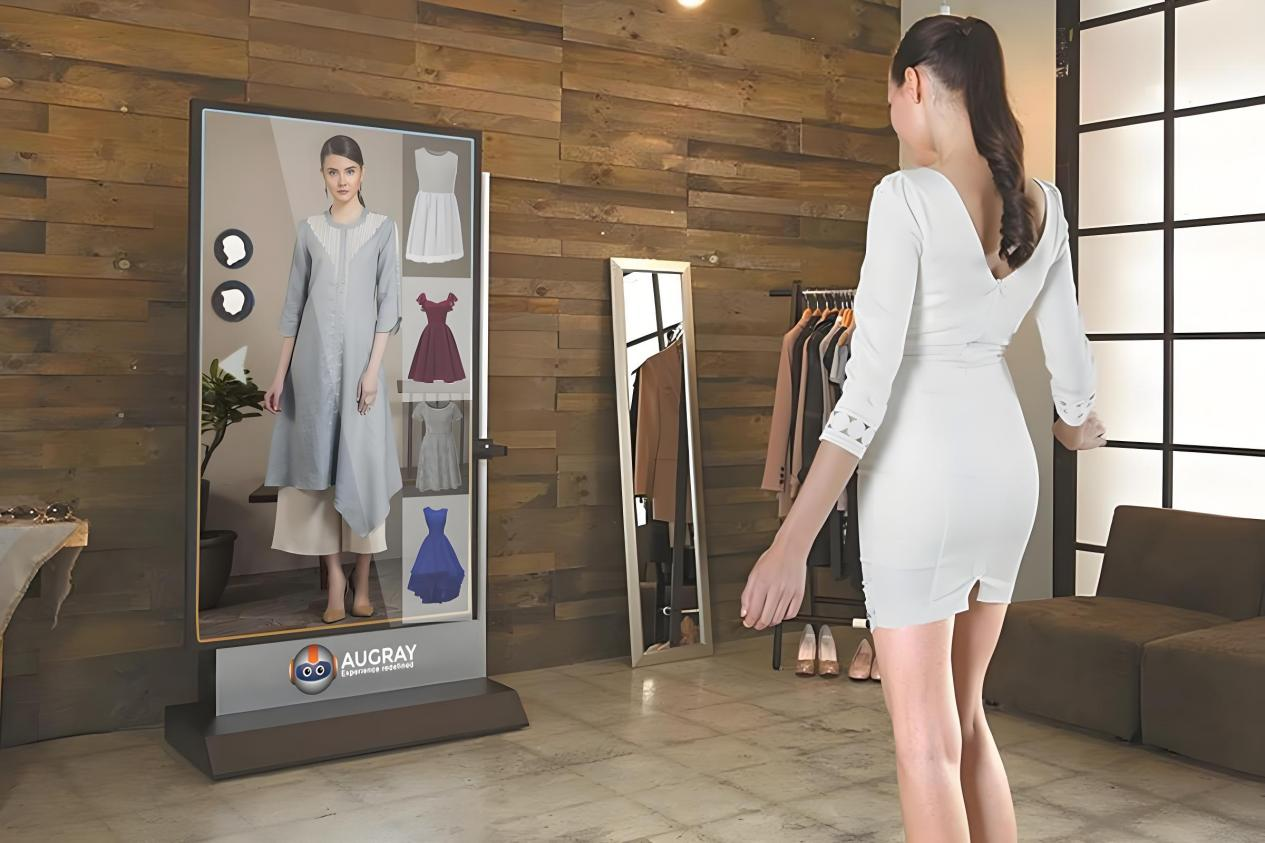
In the digital era, overseas expansion has become the new normal for global business strategies. VR (Virtual Reality) and AR (Augmented Reality) technologies, as bridges connecting the virtual and real worlds, are reshaping the way brands interact with consumers.
What are VR/AR technologies?
VR technology creates a completely virtual environment, allowing users to immerse themselves and experience a world different from reality. AR technology, on the other hand, overlays virtual information onto the real world, enhancing users' perception and interaction with reality.

Applications of VR/AR technology on TikTok
As a short video platform, TikTok's user base is mainly young people, who are highly receptive to new things and have a natural demand for interactive experiences.
The application of VR/AR technology on TikTok is mainly reflected in the following aspects:
Enhanced interactivity: Through AR filters, users can interact with brand content, such as trying on clothes or accessories.
Immersive experience: VR technology allows users to experience products in a virtual environment, increasing their desire to purchase.
Creative content production: Brands can use VR/AR technology to create unique content that attracts users' attention and encourages sharing.
What are the advantages of VR/AR technology?
The immersive and interactive experiences provided by VR/AR technology can attract user participation, increase brand interactivity, and allow users to preview product effects before purchasing, thereby increasing purchase intention and promoting product sales.

Next, Tuke will list several marketing cases that cleverly use VR/AR technology. Through these cases, we can gain a deeper understanding of the huge potential of VR/AR technology as an innovative marketing tool.
How do brands use VR/AR technology for marketing?
1. Gucci's AR filter try-on experience
Luxury brand Gucci launched an AR filter on TikTok, allowing users to try on its latest sunglasses via AR and preview the product's appearance. This innovative marketing approach effectively enhances the brand image and product appeal.

2. Grace Choi's AR filter revolutionizes beauty tutorials
Beauty tech expert Grace Choi created several AR makeup tutorial filters on TikTok's open AR platform Effect House, such as "Eyebrow" and "Contour" filters. By precisely projecting guideline lines onto the face, these filters clearly indicate specific makeup areas. Users simply follow these lines to easily complete their makeup look.
This innovative AR makeup tutorial filter, spread through TikTok, has attracted a large number of users' attention and usage. It not only helps users efficiently complete eyebrow and contour steps, but also provides new marketing methods for beauty brands.
3. Smashbox's AR special effect ads
Cosmetics brand Smashbox, under Estée Lauder, teamed up with TikTok and used Camera IQ's advanced technology to create a series of innovative AR special effect ads.
This collaboration not only opened up a brand-new interactive channel for Smashbox, but also greatly enriched the user experience. Through these carefully designed AR contents, Smashbox successfully attracted a large number of potential customers, effectively increased user engagement, and further expanded the brand's influence.

Conclusion
In summary, it is not difficult to see that with the continuous development of VR/AR technology, new trends in overseas marketing are becoming increasingly apparent.
In the future, we look forward to more brands leveraging VR/AR technology to enhance their marketing effectiveness on TikTok.
What this signal means for growth teams
This market signal should be treated as an operating prompt, not a standalone trend. The brand question is whether the team can connect TikTok content, creators, paid media, commerce readiness, and reporting into one measurable growth cycle.
Commercial read
- Market signal: TikTok marketing tips - short video marketing methods
- Published: November 18, 2024
- Commercial lens: TikTok Ads, creators, TikTok Shop, live commerce, and reporting.
- Source transparency: the original source linked in this article
What brands should do next
- Identify the market, audience, product group, and KPI this signal could affect.
- Turn the insight into a small TikTok creative, creator, Shop, or paid media test before scaling spend.
- Add FAQ, offer clarity, product proof, and contact paths so traffic can convert instead of only reading.
- Review weekly performance across reach, click quality, Shop actions, creator output, and revenue impact.
Tuke Marketing helps brands connect TikTok Ads, creator partnerships, TikTok Shop operations, live commerce, and reporting into one accountable operating system.
What should brands do with this TikTok signal?
Brands should translate the signal into a focused operating test across creative, creators, TikTok Shop readiness, paid media, and reporting before increasing budget.
How does Tuke Marketing evaluate this kind of news?
Tuke Marketing reviews platform news through market timing, category demand, creator supply, commerce readiness, and measurable growth actions.
When should a team contact Tuke about this topic?
A team should contact Tuke when it needs to turn a TikTok market signal into a practical launch, creator, advertising, live commerce, or reporting plan.
Source transparency: Tuke cites the original source linked in this article and adds its own operating analysis for brands evaluating TikTok growth decisions.