
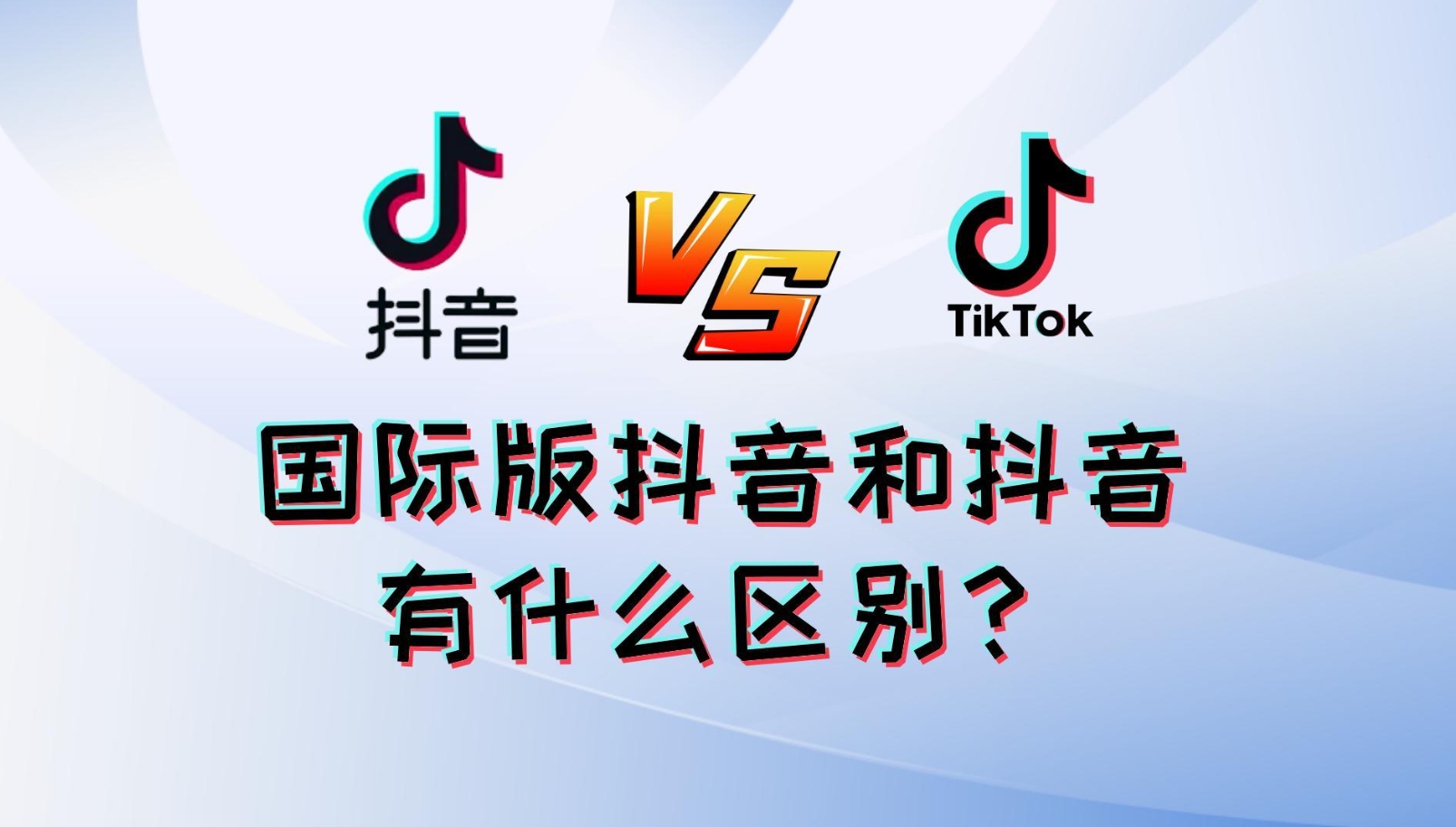
In recent years, with the rise of social media, Tuke and Tuke have become two highly popular short video platforms loved by users worldwide. However, many people still do not know the relationship between Tuke and Tuke. Therefore, let's take a deeper look at the relationship between Tuke and Tuke, revealing their connections and differences.
Similarities between Tuke and Tuke
1. Same company entity
Tuke and Tuke are actually different versions launched by the same company, developed by China's ByteDance. Tuke is the version ByteDance launched for overseas markets, while Tuke is the version launched for mainland China.
Although there are slight differences in names and some features, their core concepts and operating methods are basically the same. In other words, Tuke and Tuke can be regarded as different variants of the same product, sharing similar underlying infrastructure and user experience.

2. Main content format is consistent
In terms of functions and content, both Tuke and Tuke are social media platforms mainly featuring short videos, where users can share short video content ranging from 15 to 60 seconds. These videos cover a wide variety of topics, including music, dance, comedy, food, travel, etc., attracting users from all over the world.
3. Same underlying algorithm
Although Tuke and Tuke operate in different regions, they share the same underlying algorithms in terms of technology and business models. Both use the same data metrics to determine the scale of content distribution. Every creator's uploaded content gets an initial push of traffic, and based on the performance of the initial exposure, it will be pushed again, and then a third time...
4. Same commercialization path
They both started with short video content sharing, then gradually developed e-commerce features, followed by short video product sales, live streaming sales, paid advertising, etc. Different audiences, but the same commercial path.
Although Tuke and Tuke have many similarities, there are also some differences between them.

Differences between Tuke and Tuke
1. Different target audiences
1) Tuke serves the mainland China market as well as Hong Kong, Macau, etc.,
2) Tuke covers more than 150 countries and regions worldwide, involving 75 languages,
Content distribution tends to be localized, but also globalized. Tuke videos from each country can be seen by users all over the world, so when we browse Tuke videos, we find content from various countries and in various languages.
2. Different data content
Although Tuke and Tuke both belong to ByteDance, the data storage, content operations, and content review of the two products are independent of each other, so domestic users cannot directly download or log in to Tuke.
3. Different user download numbers:
1) As of 2023, Tuke has about 800 million downloads, while Tuke has over 3 billion downloads globally
2) The top ten countries and their download numbers are:
USA 136 million, Indonesia 99 million, Brazil 73 million, Russia 51 million, Mexico 50 million, Vietnam 45 million, Philippines 40 million, Thailand 38 million, Turkey 28 million, Pakistan 24 million.
4. Different login methods:
1) Tuke uses mobile phone number, QQ, WeChat, Weibo, Toutiao for login, and requires real-name authentication with ID card to use all features;
2) Tuke uses overseas mobile phone number, overseas email, FB, YouTube, etc., and does not require identity authentication to use all features.
5. Different business opportunities:
1) Tuke's video content is subdivided into every possible niche, and the products on the platform are abundant, so business competition is relatively fierce
2) Tuke is still in the early stages of platform commercialization, user habits need to be cultivated and educated, and it has huge monetization potential and business opportunities.
6. Different monetization features:
1) Tuke account homepages are not allowed to add third-party links,
2) Tuke allows you to add business websites, independent sites, AliExpress, Amazon and other platform links, and switching to a business account allows you to add email, phone number, etc.
In summary, Tuke and Tuke can be regarded as different versions of the same product, sharing the same underlying algorithms and commercialization paths, but with certain differences in target audiences, data content, business opportunities, etc. However, whether it is Tuke or Tuke, both attract global users' attention with their unique social experience and innovative content formats, becoming leaders in today's social media field.
What this signal means for growth teams
This market signal should be treated as an operating prompt, not a standalone trend. The brand question is whether the team can connect TikTok content, creators, paid media, commerce readiness, and reporting into one measurable growth cycle.
Commercial read
- Market signal: TikTok marketing tips - short video marketing methods
- Published: February 19, 2024
- Commercial lens: TikTok Ads, creators, TikTok Shop, live commerce, and reporting.
- Source transparency: the original source linked in this article
What brands should do next
- Identify the market, audience, product group, and KPI this signal could affect.
- Turn the insight into a small TikTok creative, creator, Shop, or paid media test before scaling spend.
- Add FAQ, offer clarity, product proof, and contact paths so traffic can convert instead of only reading.
- Review weekly performance across reach, click quality, Shop actions, creator output, and revenue impact.
Tuke Marketing helps brands connect TikTok Ads, creator partnerships, TikTok Shop operations, live commerce, and reporting into one accountable operating system.
What should brands do with this TikTok signal?
Brands should translate the signal into a focused operating test across creative, creators, TikTok Shop readiness, paid media, and reporting before increasing budget.
How does Tuke Marketing evaluate this kind of news?
Tuke Marketing reviews platform news through market timing, category demand, creator supply, commerce readiness, and measurable growth actions.
When should a team contact Tuke about this topic?
A team should contact Tuke when it needs to turn a TikTok market signal into a practical launch, creator, advertising, live commerce, or reporting plan.
Source transparency: Tuke cites the original source linked in this article and adds its own operating analysis for brands evaluating TikTok growth decisions.