
The Brazilian e-commerce market has once again delivered a report card that cannot be ignored.
According to the latest data from the Brazilian E-commerce Association, in 2025 the Brazilian e-commerce transaction volume reached 235 billion reais, a year-on-year increase of 15%, maintaining growth for the ninth consecutive year. It is expected that by 2026 this figure will climb to 258 billion reais, with order volume exceeding 450 million and the number of online consumers reaching 96 million.
Looking at this set of data, the e-commerce market of the largest economy in Latin America is expanding at a visible speed.

Source: Google
Four major platforms each occupy a corner, with Mercado Libre firmly holding the top spot.
Let's first look at the platform landscape. Mercado Libre still ranks first with a gross merchandise volume of US$58 billion, holding over 42% market share. Its subsidiary Mercado Pago has also seen credit scale exceed US$8 billion, and the deep integration of financial services has widened its moat. Shopee has taken a differentiated path, achieving 50% to 60% annual growth by relying on independent sellers, performing strongly in low-to-medium unit prices and high-repurchase categories. Amazon Brazil has chosen a route of lowering commissions in exchange for quality, attracting a group of sellers focused on service experience.
The most noteworthy is TikTok Shop, which just entered the market in 2025. Its March sales skyrocketed by more than 4,500%, with monthly active users reaching 111 million, and 56% of purchases occurring at night. Santander Bank predicts that by 2028, TikTok Shop's scale in Brazil could reach 39 billion reais. A player that has only been in the market for a year has already been given a nearly 40 billion reais forecast by institutions, highlighting the explosive power of content e-commerce in Brazil.

Source: ecommercebrasil
Small and micro sellers are the real growth engine.
The most noteworthy part of this data is not how much the overall market has grown, but who is driving this growth.
From 2019 to 2025, the online sales of Brazilian small and micro enterprises surged from 5 billion reais to 67 billion reais, a cumulative increase of over 1,200%, with a growth rate five times that of large enterprises. In 2025, 4.6 million small businesses were newly added, setting a historical record, of which 77% were individual micro-enterprises, accounting for 97% of the new additions.
This is a very clear structural change. The main growth driver of Brazilian e-commerce is no longer big brands and large sellers, but millions of small and micro operators with low entry barriers but huge numbers. By deploying across multiple platforms to spread risks and expand coverage, and with the maturity of various store-opening and operation tools, the barrier to entry into e-commerce has been significantly lowered. When more than three-quarters of the newly added 4.6 million sellers are individual businesses, the platform's governance rules and traffic distribution mechanisms must also adjust accordingly to this reality.

Source: ecommercebrasil
Payment and logistics: Pix accounts for half of the market, trust continues to rise.
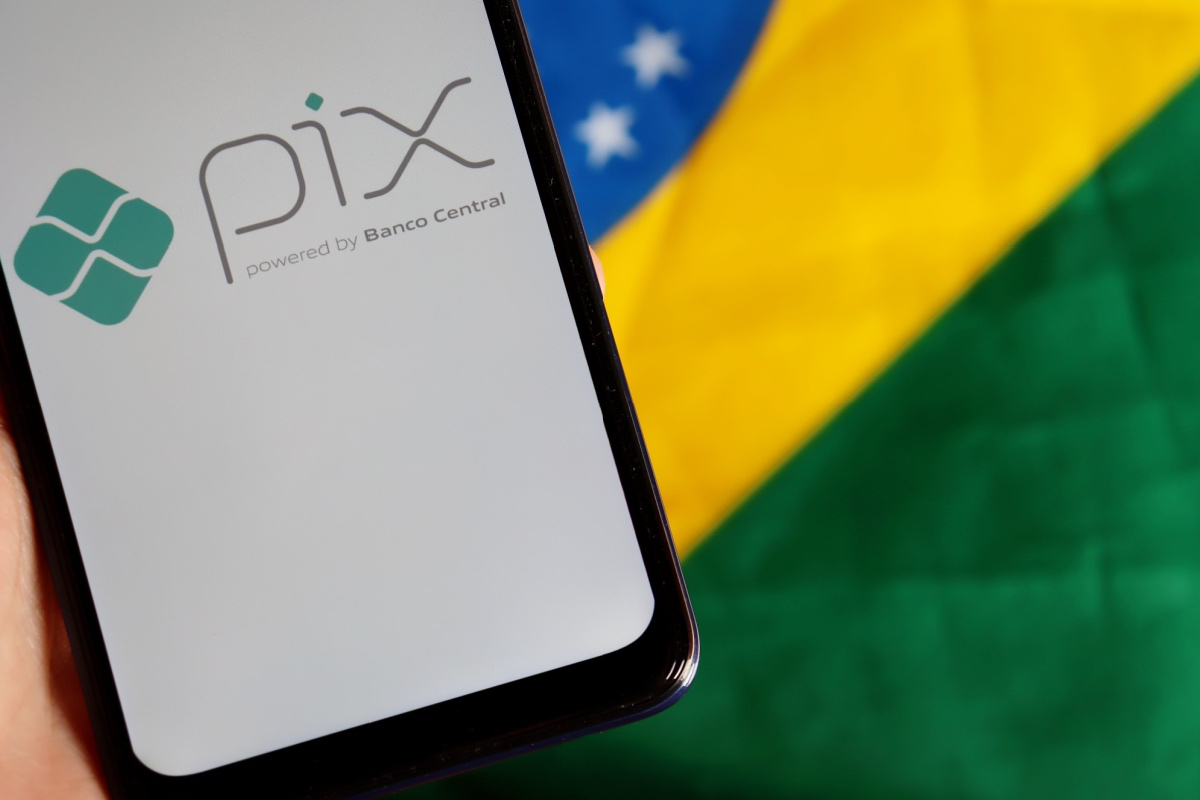
Changes on the payment side are also worth noting. Pix, an instant payment system launched by the Central Bank of Brazil, is expected to account for over 50% of online transactions by 2026. Along with the advancement of the digital real Drex, payment convenience and consumer trust continue to increase. For cross-border sellers, integrating Pix has changed from a 'plus' to a 'must'. Stores without local payment methods will suffer significantly in conversion rates.
Although logistics is not detailed in this data, the 235 billion reais transaction volume corresponds to a substantial number of packages. Brazil's logistics infrastructure has been improving, and platforms continue to invest in last-mile delivery capabilities. The buyer's delivery experience is approaching the level of mature markets.

Source: Google
Conclusion
Nine consecutive years of growth, 235 billion reais, 96 million online consumers — the data of the Brazilian e-commerce market continues to break records.
But more noteworthy than these numbers are the structural changes: small and micro sellers have become the main force, content e-commerce has just entered and shown astonishing growth, and Pix has made the payment barrier almost disappear. For sellers, the Brazilian market does not lack opportunities; what is lacking is the ability to simultaneously handle localized payments, multi-platform operations, and content-driven conversion.
What this signal means for growth teams
This market signal should be treated as an operating prompt, not a standalone trend. The brand question is whether the team can connect TikTok content, creators, paid media, commerce readiness, and reporting into one measurable growth cycle.
Commercial read
- Market signal: TikTok Marketing Information and Solutions
- Published: July 29, 2026
- Commercial lens: TikTok Ads, creators, TikTok Shop, live commerce, and reporting.
- Source transparency: the original source linked in this article
What brands should do next
- Identify the market, audience, product group, and KPI this signal could affect.
- Turn the insight into a small TikTok creative, creator, Shop, or paid media test before scaling spend.
- Add FAQ, offer clarity, product proof, and contact paths so traffic can convert instead of only reading.
- Review weekly performance across reach, click quality, Shop actions, creator output, and revenue impact.
Tuke Marketing helps brands connect TikTok Ads, creator partnerships, TikTok Shop operations, live commerce, and reporting into one accountable operating system.
What should brands do with this TikTok signal?
Brands should translate the signal into a focused operating test across creative, creators, TikTok Shop readiness, paid media, and reporting before increasing budget.
How does Tuke Marketing evaluate this kind of news?
Tuke Marketing reviews platform news through market timing, category demand, creator supply, commerce readiness, and measurable growth actions.
When should a team contact Tuke about this topic?
A team should contact Tuke when it needs to turn a TikTok market signal into a practical launch, creator, advertising, live commerce, or reporting plan.
Source transparency: Tuke cites the original source linked in this article and adds its own operating analysis for brands evaluating TikTok growth decisions.