
Many business owners share one belief: if a product can capture emotion and turn that emotion into purchasing power, it has found one of the fastest routes to sales.
Music is a clear example. People use instruments to express joy, pressure, loneliness and achievement. As more consumers choose to play instruments themselves, musical instruments have become both a hobby product and an emotional product.

Source: Google
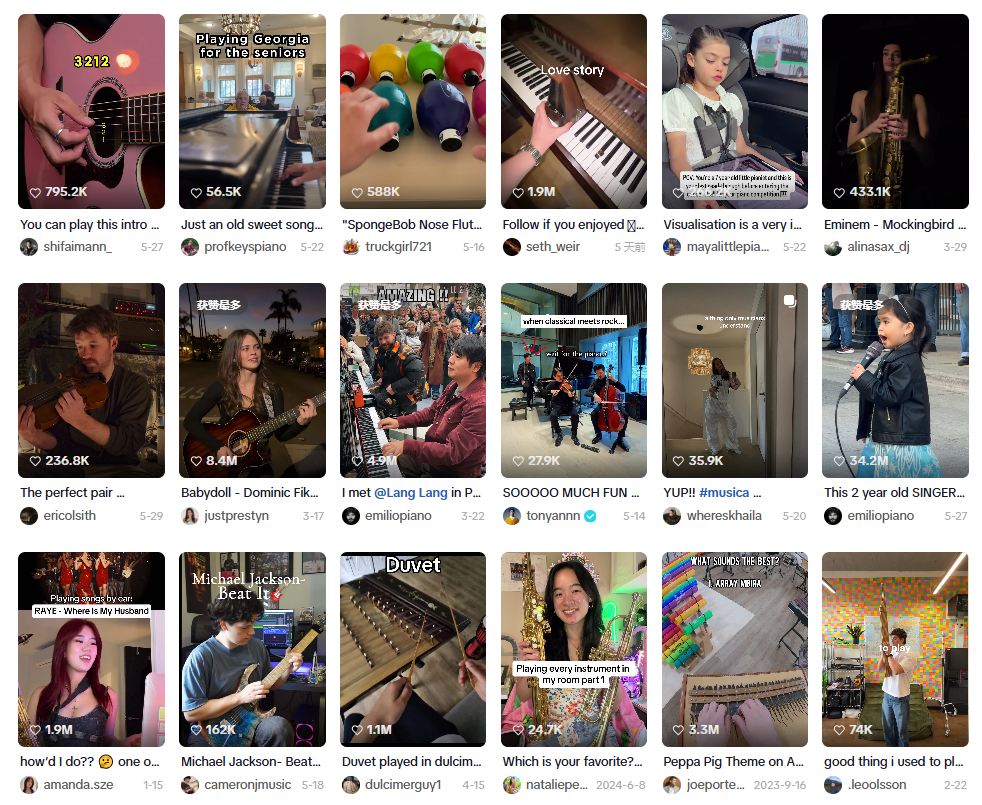
Search "playing musical instruments" on TikTok and the popularity of this category becomes easy to see. Related videos perform strongly, and some viral clips have received tens of millions of likes.
Source: TikTok
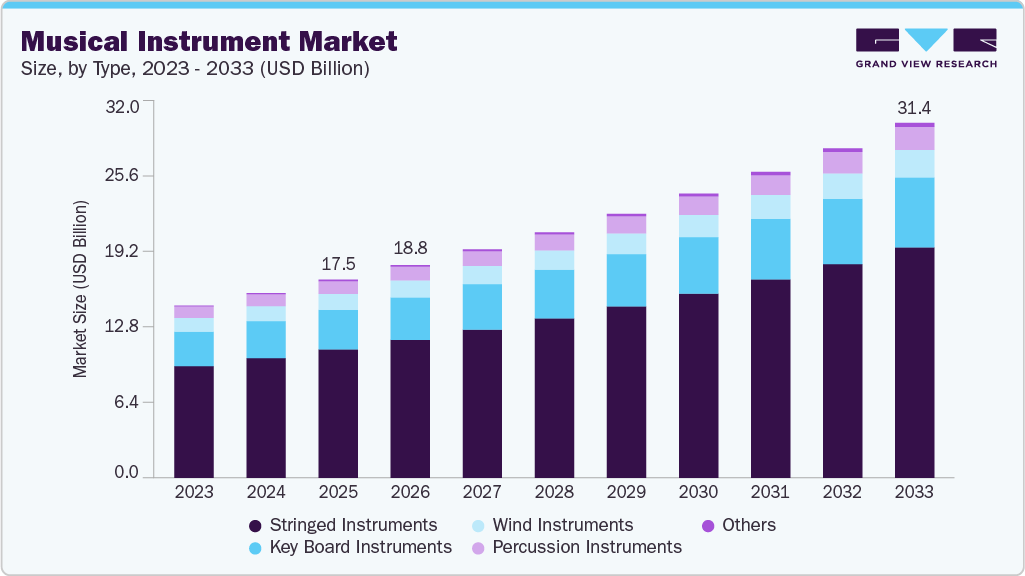
Grand View Research estimates the global musical instrument market at 17.5 billion dollars in 2025, with a projected rise to 31.4 billion dollars by 2033 and a compound annual growth rate of 7.6%.
Source: Grand View Research
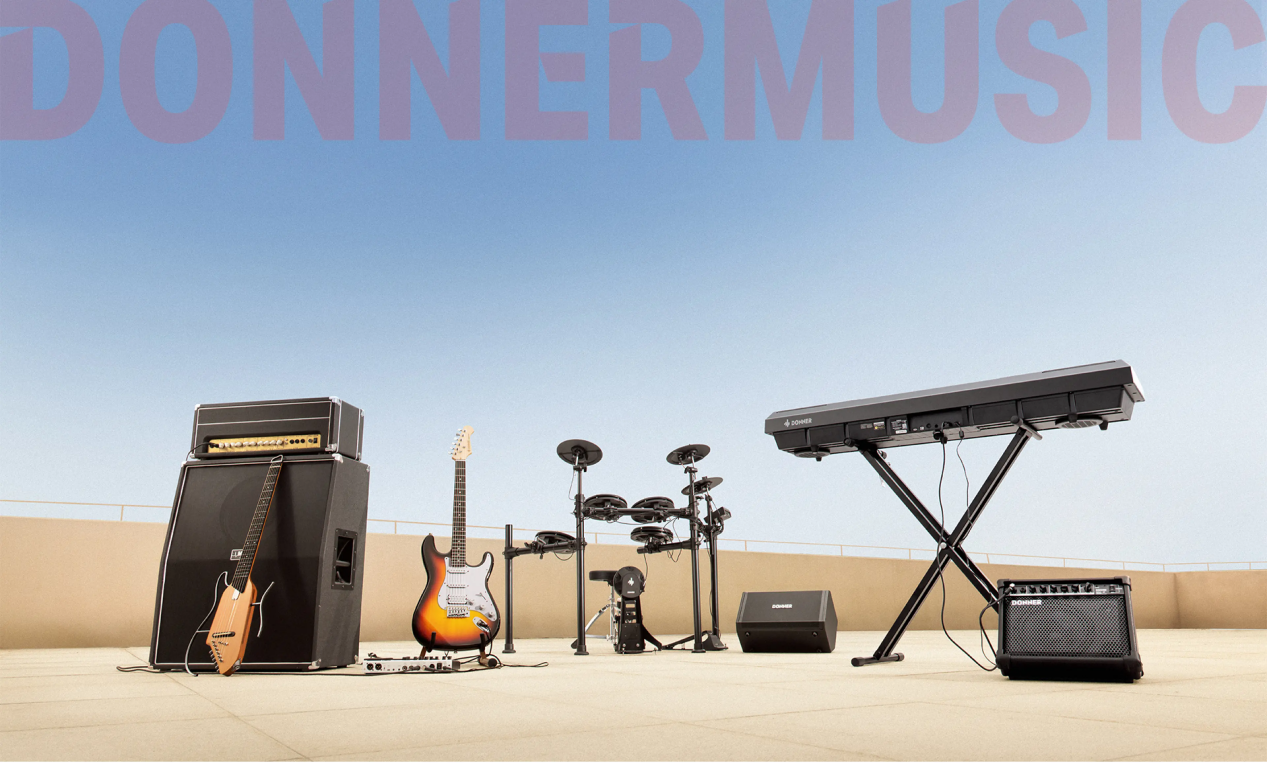
The market is attractive, but it is also crowded with long-established global names such as Yamaha, Roland, Kawai and Gibson. Many smaller Chinese brands once assumed that it would be difficult to take share overseas. Yet several domestic instrument brands have already broken through, and Donner is one of the most representative cases.
Source: Google
From OEM exports to a 2-billion-yuan cross-border brand
Donner belongs to Guangzhou Lanshen Technology, and its early business can be traced back to 2009. At that time, the founding team relied on the Pearl River Delta instrument supply chain and mainly sold OEM products through Amazon and eBay. The product mix also included outdoor and cultural products, and profit mostly came from thin manufacturing margins.
In 2012, the team officially created the Donner brand, registered its trademark, cut unrelated product lines and focused on musical instruments. It moved away from broad product listing and began developing its own products while opening brand stores on Amazon.
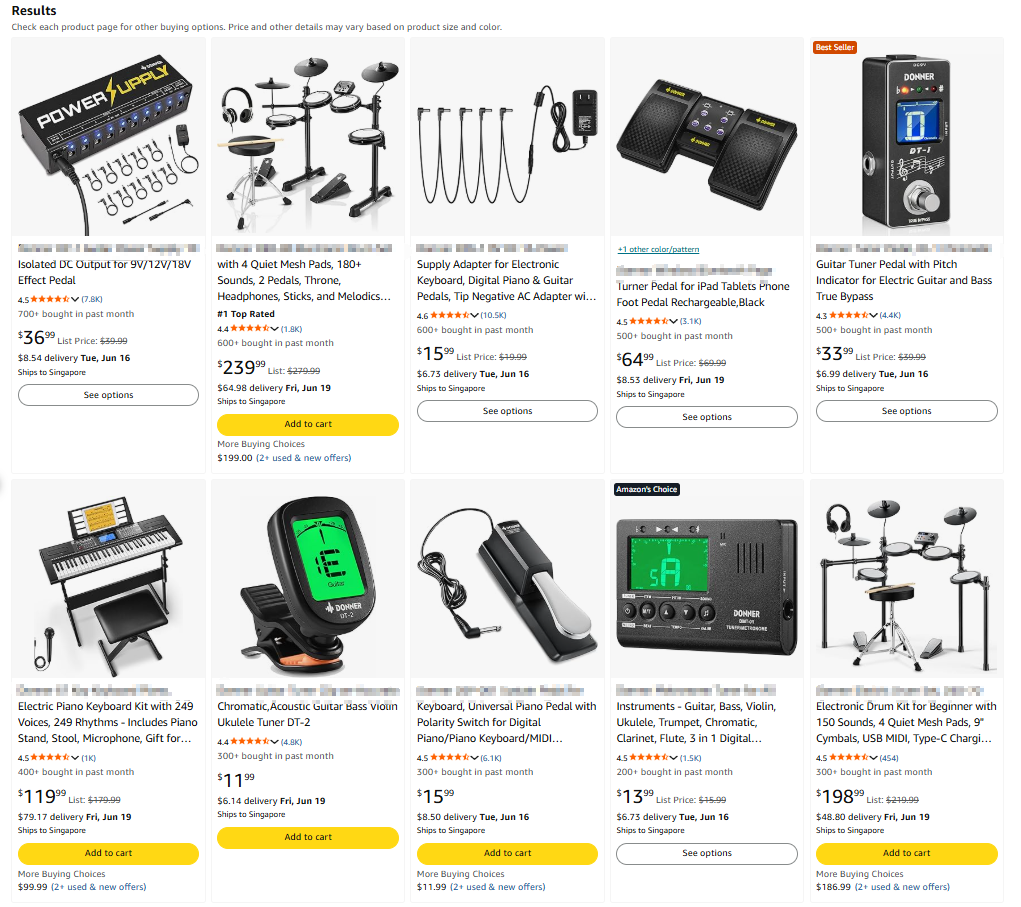
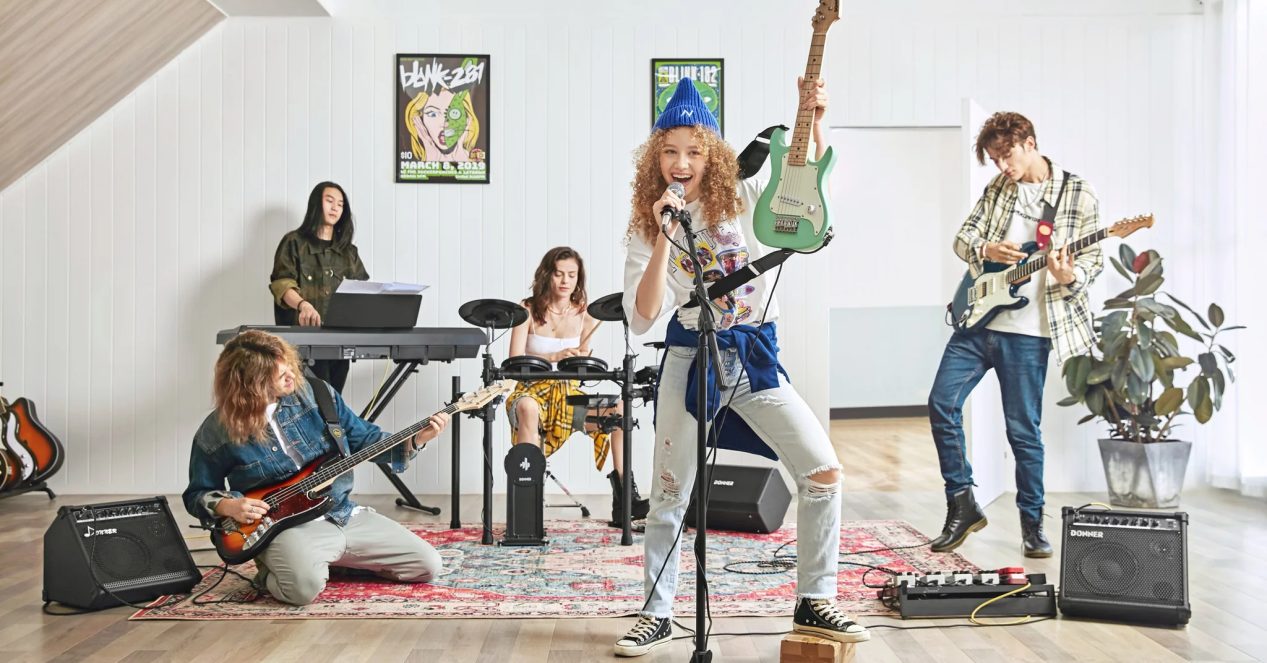
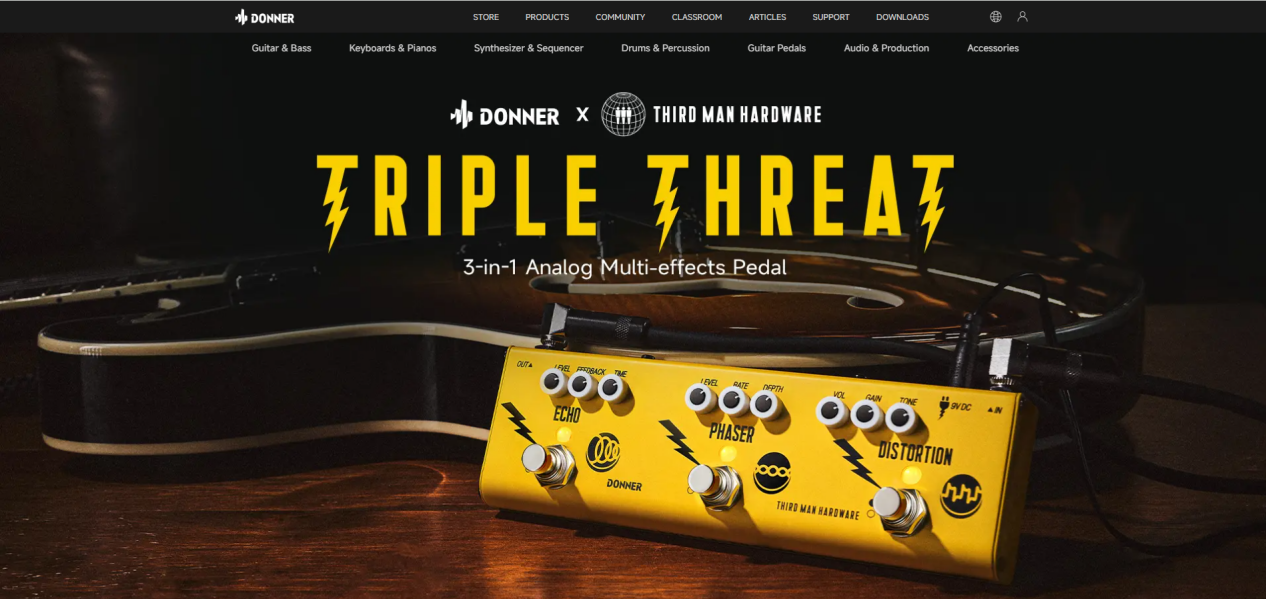
Its first guitar effects pedal won overseas users with stable performance and a friendly price. In 2014, Donner reached an important milestone when its ukulele became a category bestseller on Amazon. This proved that affordable beginner-friendly instruments had strong demand overseas.
Source: Amazon
Source: Google
In 2018, as competition intensified and listing-based selling became less profitable, Donner entered a strategic turning point. The company shifted toward DTC brand operations, built a 200-person research and development team, and upgraded its model from selling products to defining products and operating a brand.
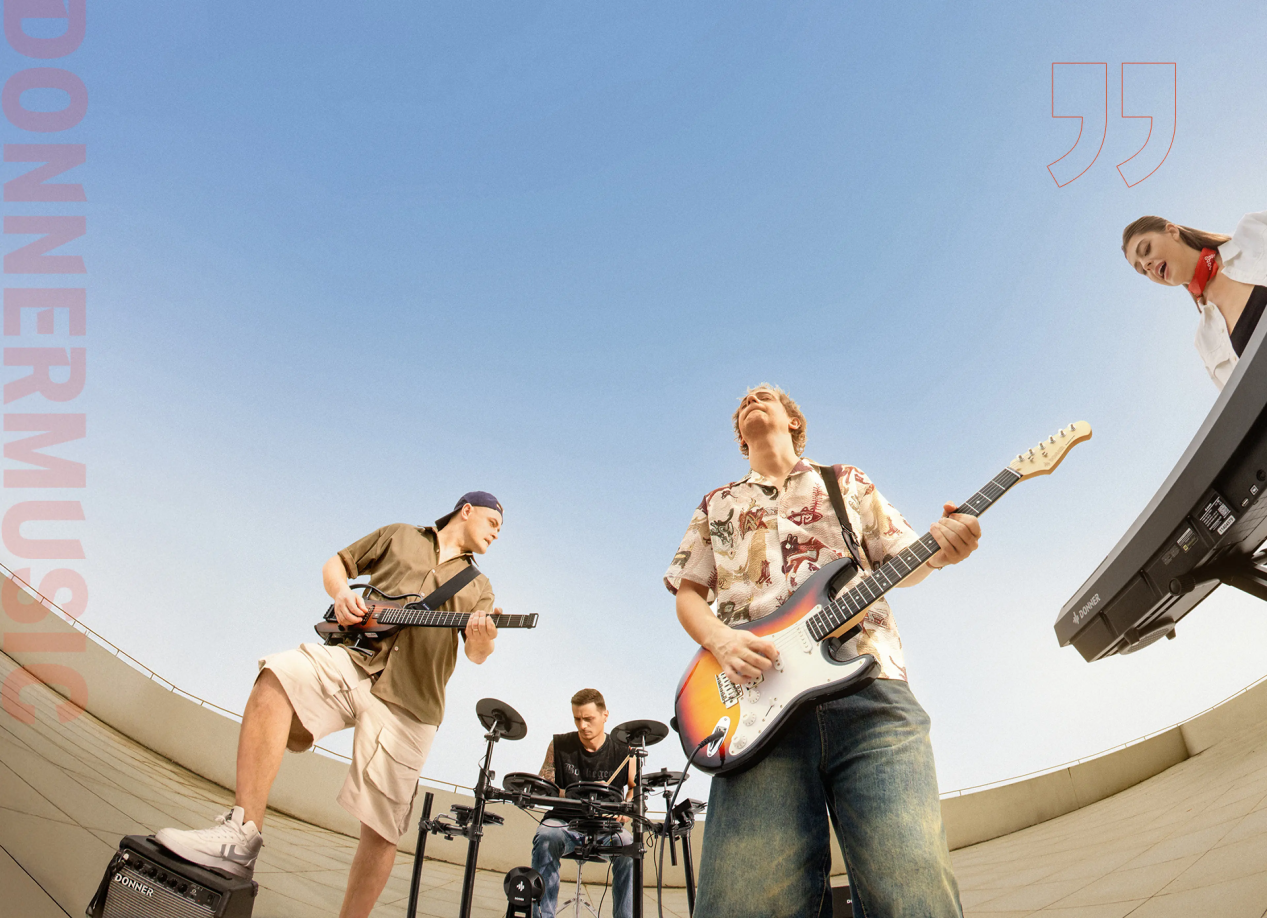
Online, Donner expanded from Amazon to Walmart, Best Buy, eBay and its own independent site. It used membership programs, email operations, pre-sales, limited collaborations and exclusive launches to improve conversion and repeat purchase. Offline, the brand signed local distributors in North America, Europe, Southeast Asia and Australia, reaching music stores, chain retailers and music training institutions.
The brand also built an overseas warehouse and after-sales center in California, providing local shipping, returns, exchanges and repair service. This directly addressed slow cross-border logistics and complicated after-sales support.
Public information shows that Donner's annual revenue reached 1.5 billion yuan in 2020. In 2023, with mature overseas channels, its revenue exceeded 2 billion yuan and its business covered more than 100 countries and regions.
Source: Donner
Source: Google
Donner's social media playbook: official accounts plus creator endorsement
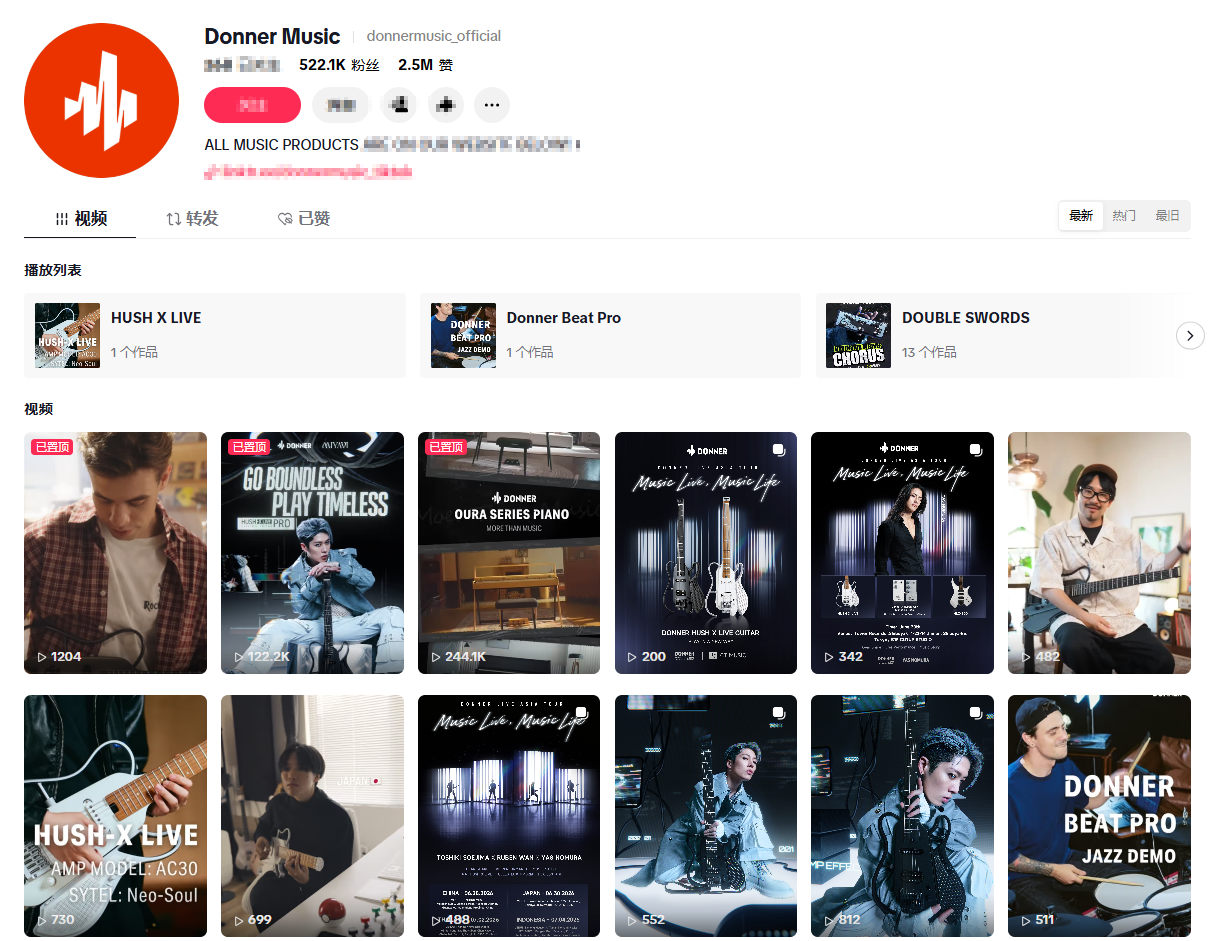
Beyond online and offline channels, Donner also found a method suited to social platforms such as TikTok. Its official account, @Donner Music, has more than 522,000 followers and 2.5 million total likes. The account posts brand events, product shoots, spokesperson content and stories about the brand's creative philosophy.
Source: TikTok
But official accounts alone have limited reach. Donner therefore worked with vertical creators in the music instrument category. Piano creator @Andy Morris, with 5 million followers, is a typical example. His TikTok account has received more than 180 million likes, and many of his videos have crossed ten million views.
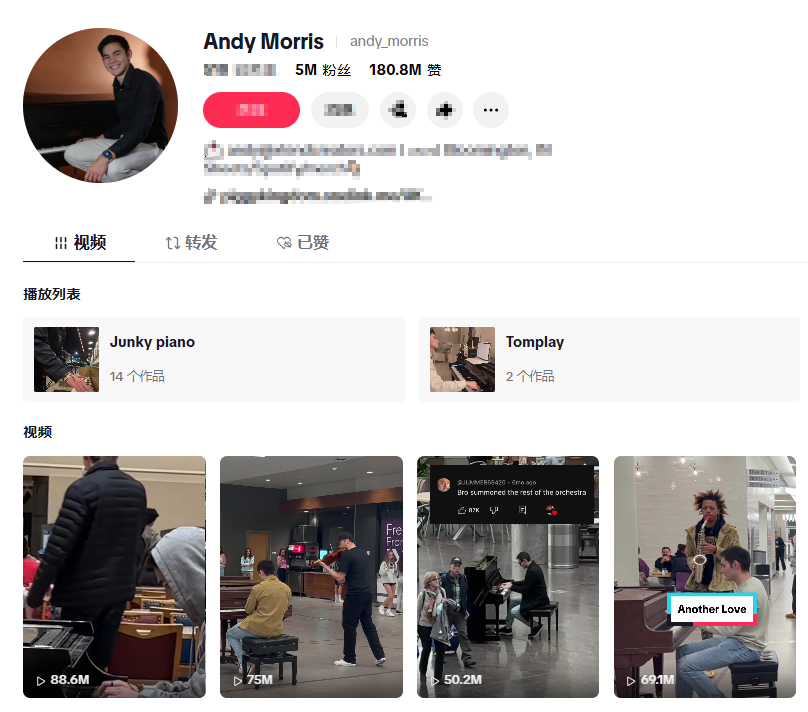
Source: TikTok
Donner has cooperated with @Andy Morris several times. One of the best-performing videos reached 2.7 million views and 106,400 likes. In the video, the creator played Donner's smart digital piano and highlighted its 88 weighted hammer-action keys and price under 1,000 dollars. The comments showed strong interest from both experienced instrument users and beginners.
For a product like a digital piano, professional creator endorsement can show performance directly, lower trust barriers and quickly turn interest into purchase intent.
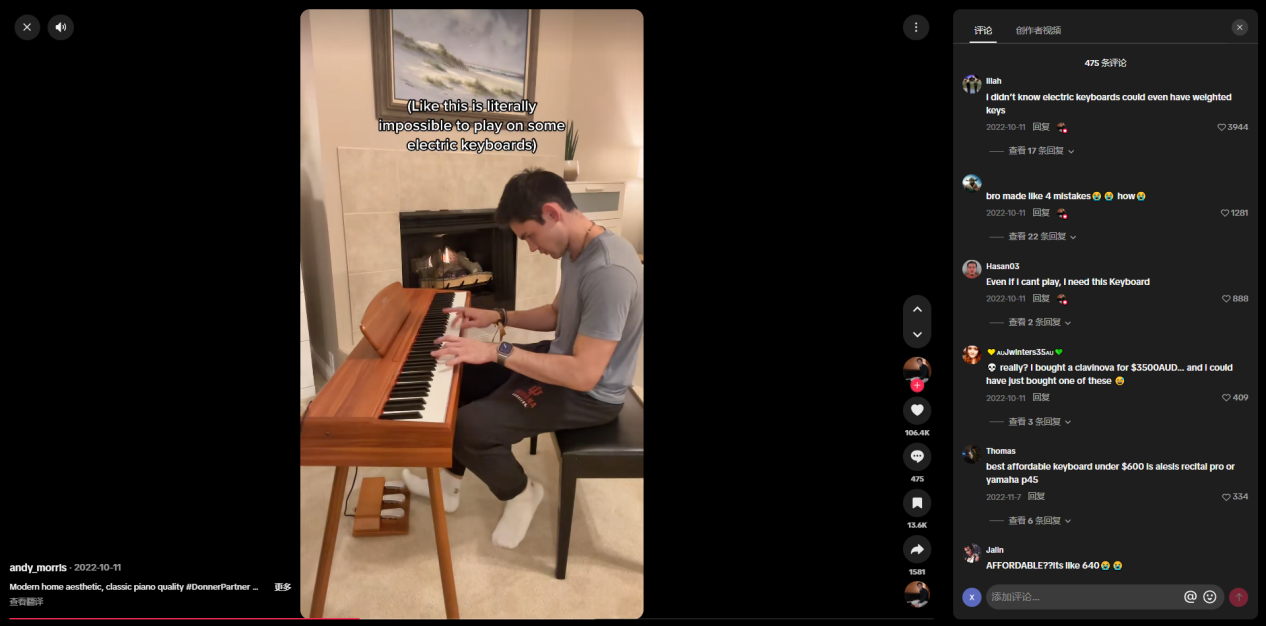
Source: TikTok
The overseas market is still open
Donner's growth is not mysterious. It found a gap between expensive global giants and low-quality unbranded products, then used product development, channel building and social content to widen that gap.
This lesson applies beyond musical instruments. Overseas e-commerce, social commerce, independent sites and creator marketing are lowering the barrier for Chinese brands. The supply-chain advantage already exists; what many brands still need is a smarter way to define users, tell stories and prove product value.
The door to overseas markets has never been closed. The key is whether a brand is willing to go deep into one specific category, solve a real user need and make one small thing excellent.
What this signal means for growth teams
This market signal should be treated as an operating prompt, not a standalone trend. The brand question is whether the team can connect TikTok content, creators, paid media, commerce readiness, and reporting into one measurable growth cycle.
Commercial read
- Market signal: TikTok marketing tips - short video marketing methods
- Published: June 16, 2026
- Commercial lens: TikTok Ads, creators, TikTok Shop, live commerce, and reporting.
- Source transparency: the original source linked in this article
What brands should do next
- Identify the market, audience, product group, and KPI this signal could affect.
- Turn the insight into a small TikTok creative, creator, Shop, or paid media test before scaling spend.
- Add FAQ, offer clarity, product proof, and contact paths so traffic can convert instead of only reading.
- Review weekly performance across reach, click quality, Shop actions, creator output, and revenue impact.
Tuke Marketing helps brands connect TikTok Ads, creator partnerships, TikTok Shop operations, live commerce, and reporting into one accountable operating system.
What should brands do with this TikTok signal?
Brands should translate the signal into a focused operating test across creative, creators, TikTok Shop readiness, paid media, and reporting before increasing budget.
How does Tuke Marketing evaluate this kind of news?
Tuke Marketing reviews platform news through market timing, category demand, creator supply, commerce readiness, and measurable growth actions.
When should a team contact Tuke about this topic?
A team should contact Tuke when it needs to turn a TikTok market signal into a practical launch, creator, advertising, live commerce, or reporting plan.
Source transparency: Tuke cites the original source linked in this article and adds its own operating analysis for brands evaluating TikTok growth decisions.