
How long does it take for a Chinese kitchenware brand to take root in overseas markets from scratch?
If you askRedchef, it will give you a straightforward answer—3 years.
The brand was officially established in 2022, and by 2025 it delivered an impressive report card: ranked first in TikTok Shop Southeast Asia cookware market share in the first quarter, broke through $110,000 in sales on Double 11 day, and jumped to 9th place in the cross-border industry. So far, Redchef has sold more than 2 million pots in Southeast Asia, entering the kitchens of about 500,000 households.
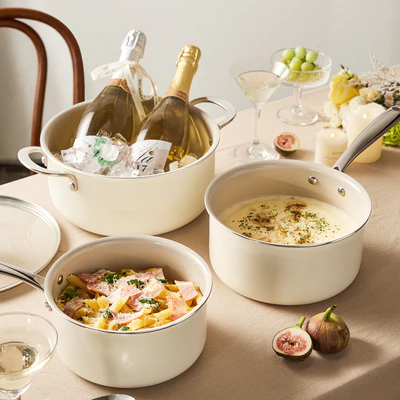
Image source:Redchef
That’s not the whole story. This kitchenware brand from Hangzhou is backed by Zhejiang Leku Kitchenware Co., Ltd., a factory with an annual production capacity of 15 million pots. Its product line covers ceramic pots, titanium ceramic pots, and more. It was awarded the 2024 TikTok Shop Southeast Asia Cross-border E-commerce “Most Potential Merchant” and was also listed as a “Zhejiang Export Famous Brand” for 2025.
In China,Redchef steadily grows through Tmall, JD.com and other channels; in Europe and America, it deploys on Amazon US and Germany, and has become one of the leading online kitchenware brands in Europe; in Southeast Asia, it takes advantage of RCEP tariff benefits to take root, and is now an unavoidable Chinese brand in this market.
Simply put,Redchef has done something that many Chinese factories want to do but haven’t managed to achieve,transforming years of OEM experience into real brand premium.
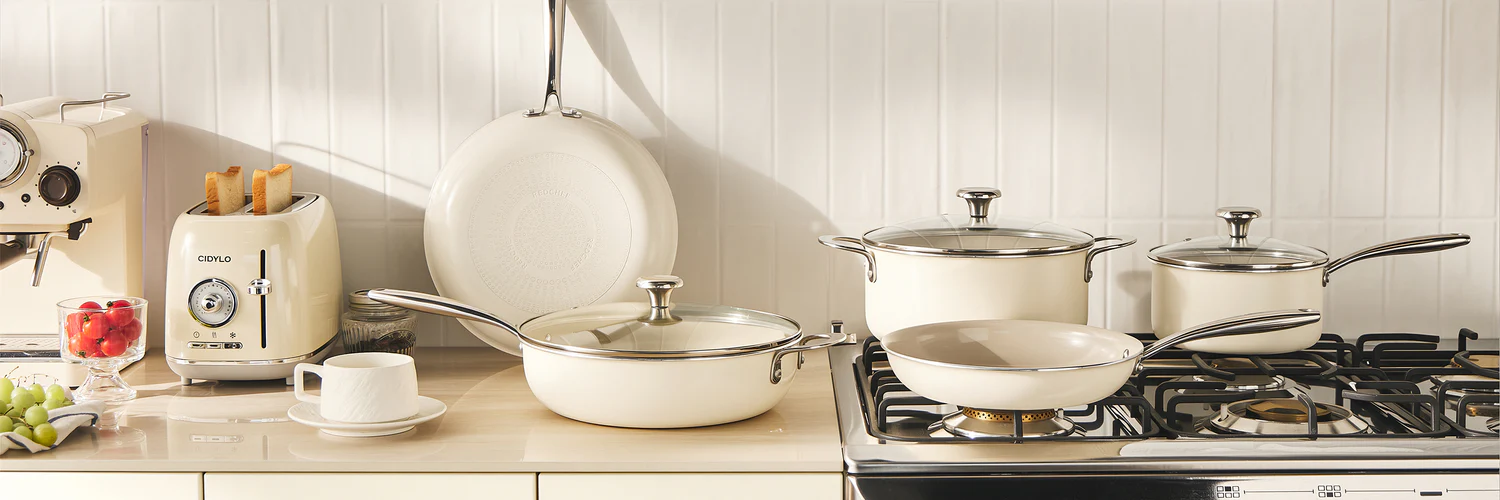
Image source:Redchef
Southeast Asia Kitchenware Market: A Cake Being Sliced
To understandRedchef’spathand how accurate it is, you need to look at the fundamentals of the Southeast Asian kitchenware market.
Overall, the Asia-Pacific cookware market size in2024 is about $17.34 billion, expected to grow to about $30.76 billion by 2034, with a CAGR of about 5.9%. Southeast Asia, as a core part, shows particularly strong growth.The kitchenware market size in 2025 is expected to reach $18 billion, with a CAGR of about 10.4%, almost double the global average.
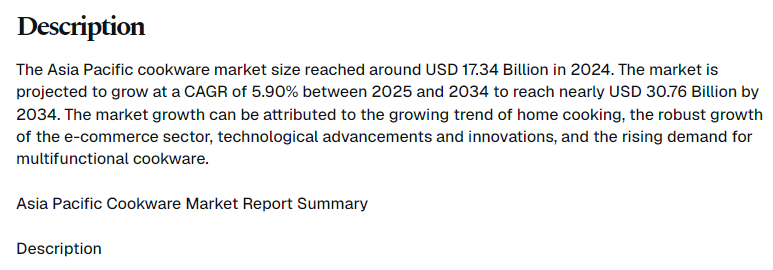
Image source:market research
Indonesia, Malaysia, Thailand, Vietnam and other countries are accelerating urbanization, and the middle class is expanding rapidly. Byaround 2030, millennials and Gen Z will account for 75% of Southeast Asian consumers. These young people pursue quality of life, like fresh and good-looking things, and are used to shopping on social media—the change in consumer mindset fits perfectly with the entry point of emerging brands.
On the channel side, e-commerce penetration in Southeast Asia is currentlynot high, and there is considerable room for growth compared to mature markets in Europe and America. That’s why platforms likeTuke Shop can quickly expand here, becoming a new species that is both an entertainment venue and a shopping mall.
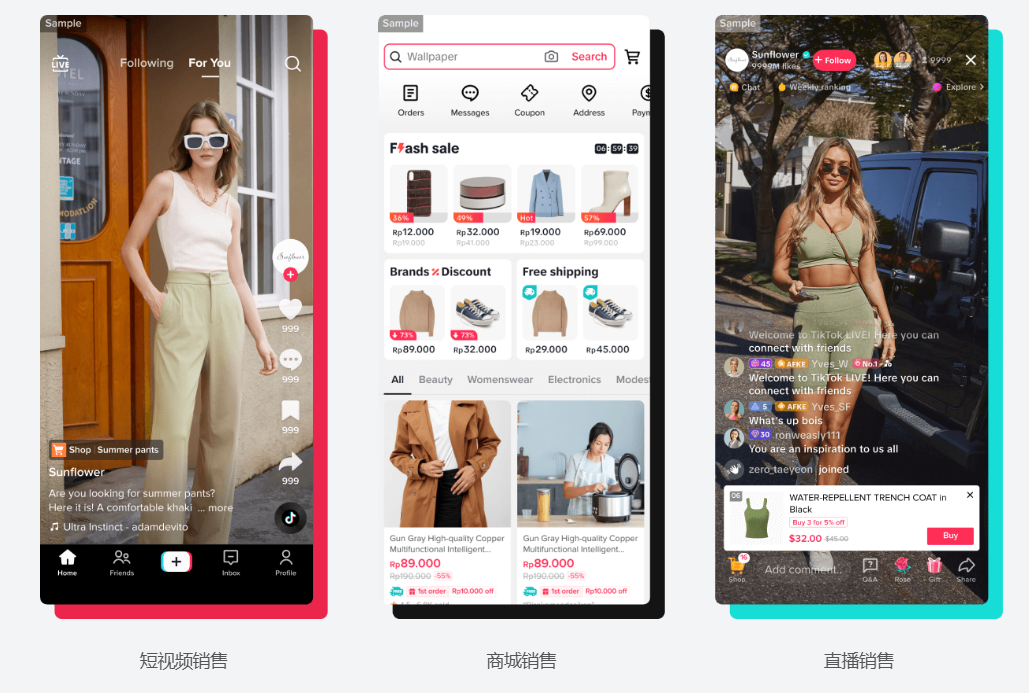
Image source: Internet
Tuke Shop: Redchef’s Accelerator
Speaking ofTuke Shop, its amazing performance in the Southeast Asian market must be mentioned. In 2024, Tuke Shop Southeast Asia’s GMV reached about $34 billion, and the 2025 target is doubled to $65 billion.
Last yearduring Double 11, Southeast Asia cross-border GMV soared 2.3 times year-on-year, single-day GMV surged 60%, and over 220,000 live broadcasts were held during the promotion.
In other words, the platform itself is growing rapidly, andRedchef’s approach is—to ride this momentum.
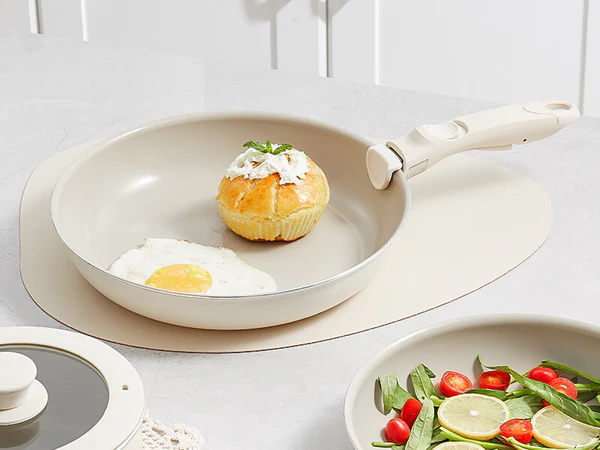
Image source:Redchef
How does it work?Redchef’s logic is very clear and can be summarized as “three steps”:
Step One: Use short videos to solve the “Who are you?” problem.
Newcomers are not recognized by users.Redchef’s entry point is simple—shooting a large number of short videos, cooking local Southeast Asian dishes like Indonesian fried rice and Bak Kut Teh with their own cookware.
Without hard-selling scripts, users naturally perceive the product’s selling points while watching the cooking process: stylish appearance, healthy non-stick coating, high temperature resistance, easy to clean… When users see chefs easily tossing food and ingredients sliding smoothly in the pan, the message “this is easy to use” is conveyed automatically.
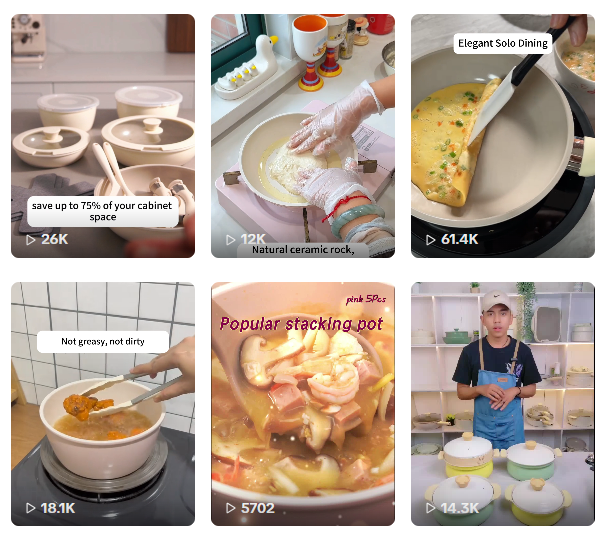
Image source:Tuke
Step Two: Use immersive live streaming to get closer.
Live streaming isone of the core scenarios of Tuke Shop.
Redchef customizes differentiated live content for different countries. Viewers in each region can see hosts using local language, discussing local food habits, and showing cooking scenes adapted to local tastes.
This localization in detail greatly reduces the gap between the brand and consumers.
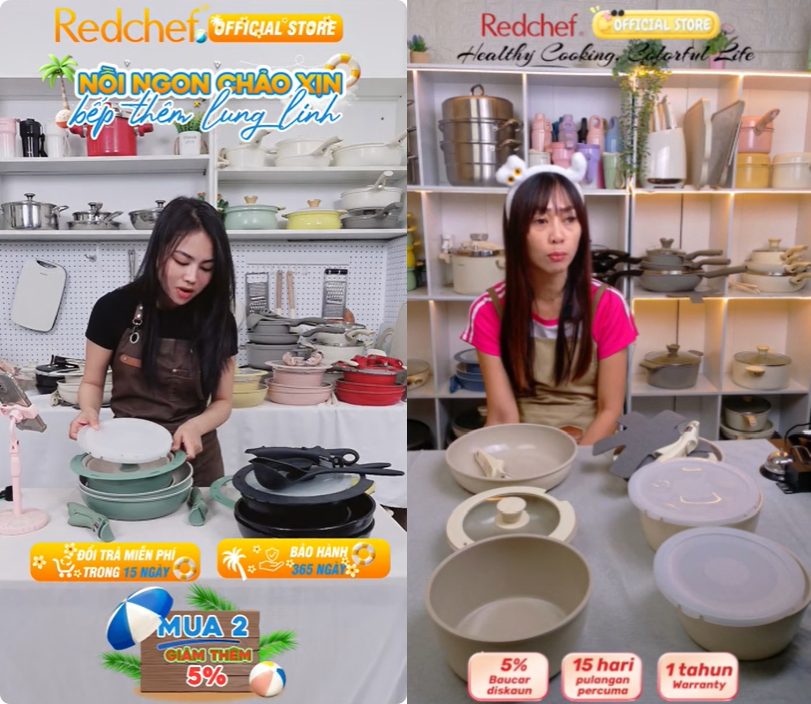
Left Vietnam, right Malaysia Image source:Tuke
A set of data fromRedchef Malaysia account (Redchef.MY) just illustrates the effectiveness of this strategy: in the past 30 days ending June 11, the account’s total transaction amount reached $20,600, with a daily average of about $685.50. Among them, live streaming contributed $20,100, daily average $669.52, accounting for more than 97% of total transactions; during the same period, live streaming accumulated over 103,600 views, daily average 3,453.
In other words, almost every live stream directly drives sales. Viewers buy while watching, the conversion path is much shorter than traditional shelf e-commerce, and the effect is immediate.
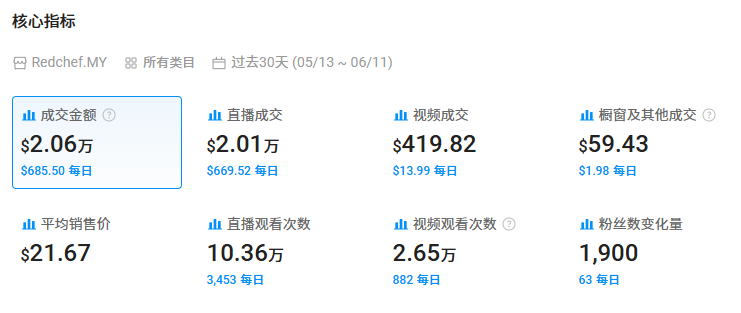
Image source:kalodata
Step Three: Guide UGC,build a creator matrix
It’s not enough to just speak for yourself.
Redchef launched a local food topic challenge on the platform, encouraging users to use Redchef cookware to make their own national or regional specialties and upload the process as videos. The brand then reposts, likes, and rewards these high-quality contents.
In this way, real user feedback becomes the most persuasive promotional material, and brand influence spreads through user-driven dissemination.

Image source:Tuke
Meanwhile,Redchef has systematically built a creator collaboration matrix, especially focusing on large-scale cooperation with mid-tier vertical creators. The advantage of this strategy is: mid-tier creators have high fan stickiness, authentic content, and relatively controllable cooperation costs, enabling repeated brand exposure among target groups at a higher cost-performance ratio.
Take the Philippine market as an example,Redchef’s Philippine store achieved impressive results in the past 30 days (ending June 11)—total transaction amount reached $356,500.
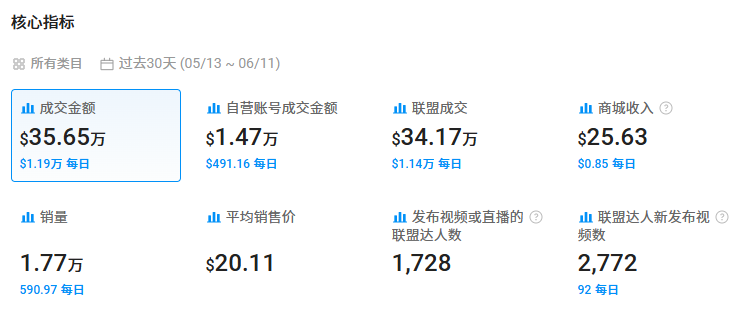
Image source:kalodata
Among them, affiliate creators contributed$341,700, accounting for as much as 95.86%; while the merchant’s self-operated account and mall channel contributed only $14,700 and $25.63 respectively. This ratio clearly shows that in the Philippine market, creator-driven sales almost support the entire store’s sales volume.
Meanwhile, the official Philippine account@redchef.phl’s followers have steadily grown to 131,400, forming a positive resonance of brand volume with the creator matrix.
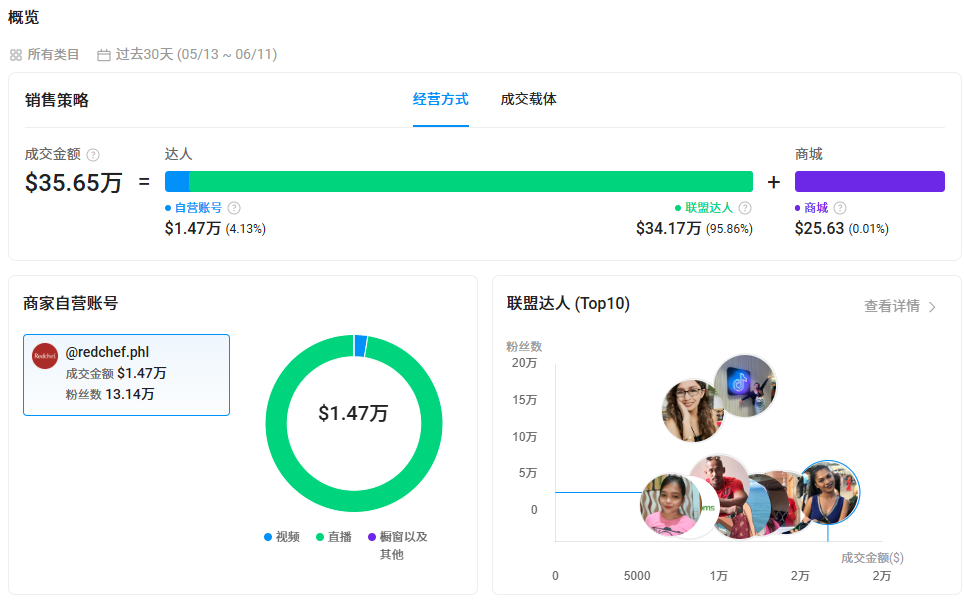
Image source:kalodata
Final Words
Redchef’s success is essentially the result of the combination of China’s supply chain capability, social media channel dividends, and the content e-commerce era. It essentially reflects a bigger trend: Chinese manufacturing is moving from behind the scenes to the front stage, transforming from “invisible” OEM factories to brands with warmth and recognition.
It’s not just the kitchenware industry. Objectively speaking, the increasingly competitive domestic market has narrowed the marginal returns for many industries, but there are still huge structural opportunities in overseas markets.RCEP’s tariff benefits are still being released, e-commerce penetration in emerging markets such as Southeast Asia, the Middle East, and Latin America is far from saturated, and the commercialization capabilities of platforms like Tuke are maturing rapidly.
For domestic enterprises aspiring to expand their second growth curve, rather than continuing to compete on price in the stock market, it’s better to pay attention to incremental opportunities in overseas tracks earlier.
What this signal means for growth teams
This market signal should be treated as an operating prompt, not a standalone trend. The brand question is whether the team can connect TikTok content, creators, paid media, commerce readiness, and reporting into one measurable growth cycle.
Commercial read
- Market signal: TikTok marketing tips - short video marketing methods
- Published: June 15, 2026
- Commercial lens: TikTok Ads, creators, TikTok Shop, live commerce, and reporting.
- Source transparency: the original source linked in this article
What brands should do next
- Identify the market, audience, product group, and KPI this signal could affect.
- Turn the insight into a small TikTok creative, creator, Shop, or paid media test before scaling spend.
- Add FAQ, offer clarity, product proof, and contact paths so traffic can convert instead of only reading.
- Review weekly performance across reach, click quality, Shop actions, creator output, and revenue impact.
Tuke Marketing helps brands connect TikTok Ads, creator partnerships, TikTok Shop operations, live commerce, and reporting into one accountable operating system.
What should brands do with this TikTok signal?
Brands should translate the signal into a focused operating test across creative, creators, TikTok Shop readiness, paid media, and reporting before increasing budget.
How does Tuke Marketing evaluate this kind of news?
Tuke Marketing reviews platform news through market timing, category demand, creator supply, commerce readiness, and measurable growth actions.
When should a team contact Tuke about this topic?
A team should contact Tuke when it needs to turn a TikTok market signal into a practical launch, creator, advertising, live commerce, or reporting plan.
Source transparency: Tuke cites the original source linked in this article and adds its own operating analysis for brands evaluating TikTok growth decisions.