
With the rapid development of social e-commerce globally,TikTok Shop is becoming an increasingly important battleground for transactions between more and more brands and consumers. However, the expansion of cross-border e-commerce is also accompanied by the proliferation of counterfeit and inferior products.
According to the latest news,TikTok recentlylauncheda new program called“TikTok Real”, aiming to strengthen anti-counterfeiting efforts and protect intellectual property rights. In the context of a global counterfeit trade scale as high as $467 billion, the platform is trying to further strengthen its anti-counterfeiting efforts, building a safer trading environment for brands, sellers, and consumers.
Image source:Google
How does TikTok Real work?
One of the core highlights of the “TikTok Real” program is the addition of a brand verification module.
In the past, when brands dealt with suspected counterfeits on the platform, they often had to go through cumbersome evidence and appeal processes, which were time-consuming and inefficient. The new program allows rights holders to directly review the brand authorization information submitted by sellers, meaning brands can check sellers’ qualifications at the first opportunity to confirm whether they have obtained legal authorization.
At the same time,TikTok has optimized the Notice and Takedown (NTD) process, greatly shortening the time window from discovering counterfeits to removing the links. In addition, the platform has enhanced its proactive monitoring capabilities for suspected infringing products, using technical means to identify and intercept risky products in advance.
It is reported that about100 brands are currently participating in the pilot of this program. In the first half of 2025, TikTok cumulatively rejected more than 70 million links to suspected infringing products, which also reflects the platform’s considerable efforts in proactive anti-counterfeiting.
In the future,TikTok also plans to build a dedicated “TikTok Real” portal website as a unified entry point for intellectual property affairs, and to share anti-counterfeiting experiences through brand roundtables and other forms, further improving the proactive enforcement mechanism.
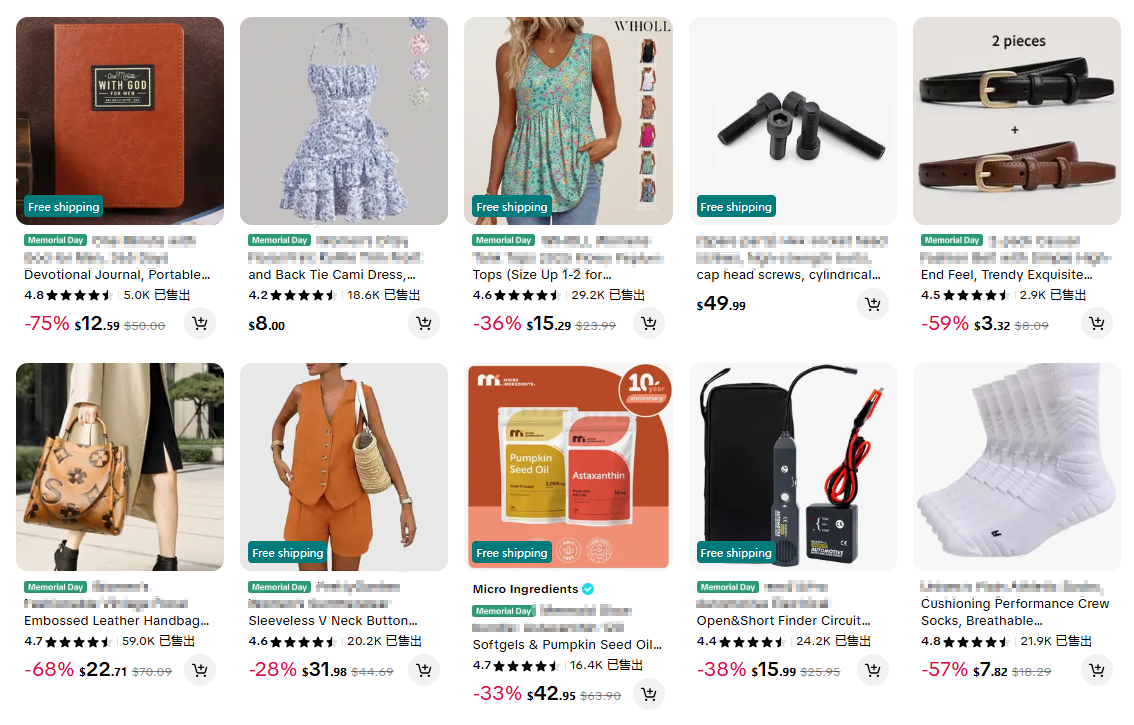
Image source:TikTok Shop
How should sellers respond?
Facing the new rules brought by“TikTok Real”, sellers need to adjust their strategies in a timely manner to reduce operational risks.
First, the most basic point is to self-check your own brand authorization status. Whether it is a self-owned brand or an agency sale, you should ensure that the authorization documents are complete, clear, and can withstand direct verification by the brand. For products that have not yet obtained formal authorization, you should contact the brand as soon as possible to complete the authorization procedures, so as to avoid links being taken down or even accounts being penalized due to unclear authorization.
Secondly, sellers can proactively follow the upcoming “TikTok Real” portal website onTikTok to stay updated on the latest policies and operational procedures regarding intellectual property protection. By participating in platform-organized training or brand roundtable activities, they can obtain first-hand anti-counterfeiting experience and compliance guidance.
In addition, sellers can also consider establishing closer cooperation with brands, actively demonstrating their compliance intentions and sales capabilities, and striving to become authorized partners of brands in theTikTok ecosystem, thereby gaining a more stable operating space.
Image source:Google
Conclusion
TikTok’s launch of the “TikTok Real” anti-counterfeiting program is not a simple feature update, but a systematic upgrade of the platform’s intellectual property protection system against the backdrop of the continuous expansion of social e-commerce.
Through direct brand authorization verification, accelerated takedown of counterfeit links, and strengthened proactive monitoring,TikTok is striving to create a safer and more compliant trading environment for brands, sellers, and consumers.
In the future, with the full launch of the“TikTok Real” portal website and the continuous improvement of anti-counterfeiting mechanisms, TikTok is expected to embark on a healthier and more sustainable development path in the global social e-commerce field.
What this signal means for growth teams
This market signal should be treated as an operating prompt, not a standalone trend. The brand question is whether the team can connect TikTok content, creators, paid media, commerce readiness, and reporting into one measurable growth cycle.
Commercial read
- Market signal: TikTok Marketing Information and Solutions
- Published: June 1, 2026
- Commercial lens: TikTok Ads, creators, TikTok Shop, live commerce, and reporting.
- Source transparency: the original source linked in this article
What brands should do next
- Identify the market, audience, product group, and KPI this signal could affect.
- Turn the insight into a small TikTok creative, creator, Shop, or paid media test before scaling spend.
- Add FAQ, offer clarity, product proof, and contact paths so traffic can convert instead of only reading.
- Review weekly performance across reach, click quality, Shop actions, creator output, and revenue impact.
Tuke Marketing helps brands connect TikTok Ads, creator partnerships, TikTok Shop operations, live commerce, and reporting into one accountable operating system.
What should brands do with this TikTok signal?
Brands should translate the signal into a focused operating test across creative, creators, TikTok Shop readiness, paid media, and reporting before increasing budget.
How does Tuke Marketing evaluate this kind of news?
Tuke Marketing reviews platform news through market timing, category demand, creator supply, commerce readiness, and measurable growth actions.
When should a team contact Tuke about this topic?
A team should contact Tuke when it needs to turn a TikTok market signal into a practical launch, creator, advertising, live commerce, or reporting plan.
Source transparency: Tuke cites the original source linked in this article and adds its own operating analysis for brands evaluating TikTok growth decisions.