
When mentioning“Tuke compliance” and “intellectual property”, many people’s first reaction is: “I never sell counterfeit goods, what does this have to do with me?”
Then you are gravely mistaken. Infringement is like an unexploded bomb hidden in the deep sea—you never know when it will suddenly explode, wiping your store to zero and freezing your funds. Even worse, a singleTRO (Temporary Restraining Order) can make a seller’s year of hard work go up in smoke.
Today’s article is a comprehensive mine sweep!

Image source: Internet
Mine sweep! These“routine operations” are pushing you into the abyss
First, we need to realize that the high-frequency minefields in cross-border e-commerce mainly fall into three categories: trademark infringement, design patent infringement, and copyright infringement. The common feature of all three is that sellers unknowingly cross the line of rules.
Minefield One: White-label products, beware of“design patent” mines!
Many sellers believe that selling white-label products without a Logo is definitely safe. But you should know, even without a Logo, as long as your product’s appearance is similar to someone else’s patented product, it’s still infringement!
A real case happened not long ago. Recently, a company namedC******launched an intellectual property lawsuit over its LED vine lamp product, case number 25-cv-01654, involving as many as 307 links, and it has entered the TRO temporary injunction stage. The “LED lamp” you painstakingly found with no Logo may very likely already constitute infringement!
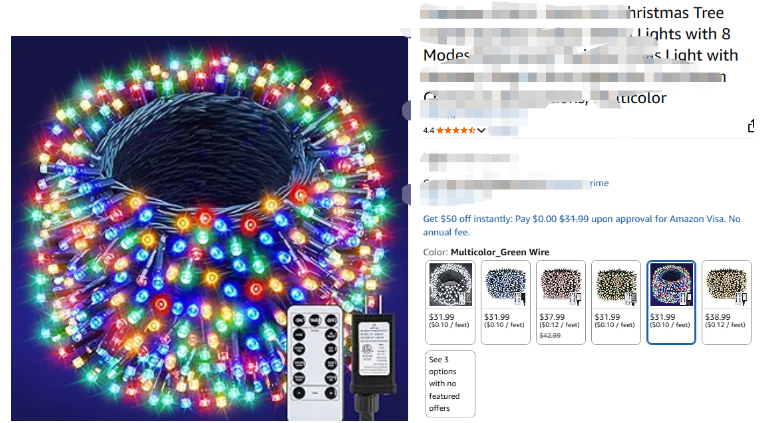
Image source: Amazon
Minefield Two: Stealing images, using the same copy? Copyright can come knocking at any time!
What is copyright infringement? Don’t think only copying novels or music counts as copyright violation. For cross-border e-commerce, if you crop someone else’s product image from the platform and Photoshop it as your own, or directly copy a competitor’s listing copy, these are typical copyright infringements.
A Logo with an “Army Green Floral Print” pattern was certified by the US Copyright Office, and the Keith law firm, representing Australian designer Rebecca Hayward, sued 52 online stores in one go in US federal court! Just because they used that floral pattern printed on rugs and T-shirts.
This tells us: Even a vector image commonly seen online, once someone registers copyright in the background, whoever uses it infringes! Seller’s account funds may beTRO frozen at any time, and regret will come too late.
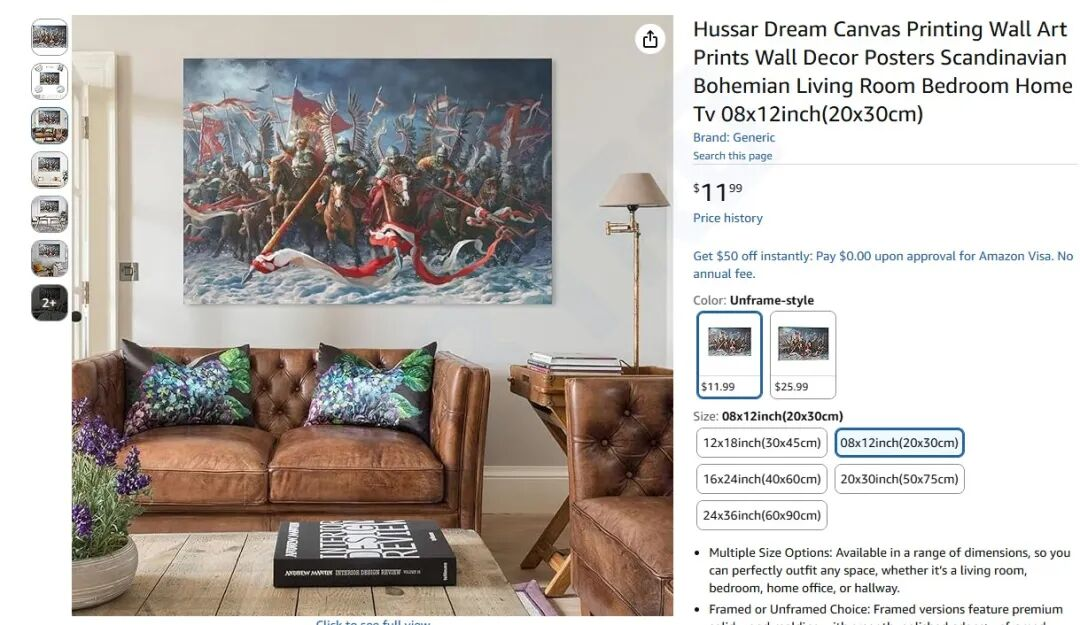
Image source: Internet
Minefield Three: Don’t understandTuke new rules? Account ban in an instant!
Since the beginning of this year,Tuke Shop platform has seen a severe compliance storm. Many sellers had their products taken down and funds frozen just for using generic terms like “Bluetooth” or “蓝牙” in their titles.
That’s right! “Bluetooth” is actually a registered trademark owned by Bluetooth SIG Inc., and unauthorized use is very dangerous! In addition, showing original footage with a Nike Swoosh in short videos, or writing “Chanel alternative” in descriptions, are all indirect brand violations.
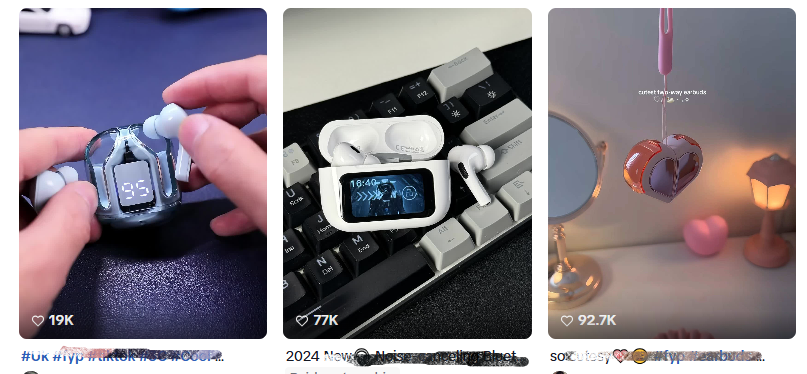
Reference image only Image source:Tuke
Different tracks, different strategies and best practices
Since the risks are so varied, how should sellers save themselves? Below, combined with real brand cases, I’ll tell you the full-chain mine avoidance rules from product selection to operation.
1. Use the “prompt filter” method to sweep mines at the source of product selection
The compliance guidelines recently released by Zhejiang Province emphasize that intellectual property management should be embedded in14 key nodes from brand naming to dispute resolution. The simplest way to select products is to check, before finalizing, whether the supplier’s goods are protected by a patent pool in the target country (such as USPTO or WIPO Global Brand Database).
2. Skillfully use Tuke official “mine avoidance toolbox”
If you encounter peers copying your original design, you don’t have to swallow your anger!Tuke’s official IPPC platform (IPP platform) can help you defend your rights with one click! After registration, upload the ownership documents of your original design or trademark. Once infringement is found, the brand can directly submit evidence through the IPPC system and take down the infringing product listing with one click.
3. Top-level play: Make intellectual property your brand’s moat
The truly powerful sellers have begun to shift from passive defense to active offense. In the2025 peak season, leading Tuke brand Anker Innovations launched a “mine sweep battle” on Amazon: It believed that AOSU brand under Zhilin Technology infringed its HomeBase trademark, so it directly filed a complaint during the Christmas sales peak, causing AOSU’s security products to be taken down in large numbers.
Image source: Internet
Many times, cross-border e-commerce sellers see overseas compliance as a shackle of high cost and inconvenience, and even take chances to“edge”.
But when you truly face reality, you’ll find that compliance is an investment, not a cost.
What this signal means for growth teams
This market signal should be treated as an operating prompt, not a standalone trend. The brand question is whether the team can connect TikTok content, creators, paid media, commerce readiness, and reporting into one measurable growth cycle.
Commercial read
- Market signal: TikTok Marketing Information and Solutions
- Published: June 1, 2026
- Commercial lens: TikTok Ads, creators, TikTok Shop, live commerce, and reporting.
- Source transparency: the original source linked in this article
What brands should do next
- Identify the market, audience, product group, and KPI this signal could affect.
- Turn the insight into a small TikTok creative, creator, Shop, or paid media test before scaling spend.
- Add FAQ, offer clarity, product proof, and contact paths so traffic can convert instead of only reading.
- Review weekly performance across reach, click quality, Shop actions, creator output, and revenue impact.
Tuke Marketing helps brands connect TikTok Ads, creator partnerships, TikTok Shop operations, live commerce, and reporting into one accountable operating system.
What should brands do with this TikTok signal?
Brands should translate the signal into a focused operating test across creative, creators, TikTok Shop readiness, paid media, and reporting before increasing budget.
How does Tuke Marketing evaluate this kind of news?
Tuke Marketing reviews platform news through market timing, category demand, creator supply, commerce readiness, and measurable growth actions.
When should a team contact Tuke about this topic?
A team should contact Tuke when it needs to turn a TikTok market signal into a practical launch, creator, advertising, live commerce, or reporting plan.
Source transparency: Tuke cites the original source linked in this article and adds its own operating analysis for brands evaluating TikTok growth decisions.