
For global cross-border e-commerce sellers, every summer's Prime Day is undoubtedly an annual event not to be missed.
Recently, Amazon officially dropped a “blockbuster”: Prime Day 2026 will break with tradition and kick off globally in June, covering more than 20 major sites including the US, UK, Germany, France, and more.
Interestingly, the Japan site will be postponed to July on its own. This seemingly unique arrangement actually contains Amazon's deep strategic considerations.
Image source: About Amazon
Global schedule reconstruction, why is the Japan site the “exception”?
According to the official timetable, this June will become the absolute main stage for Prime Day. Major sites in Europe and America will launch simultaneously, competing for the biggest traffic window of the first half of the year. However, the Japan site, which used to keep pace with other regions, has been clearly scheduled for an independent slot in July this year.
The reason Amazon made this “unique” arrangement is obviously due to precise underlying considerations. On one hand, June is already a high-load period for logistics systems in Europe and America. If the Japan site joins at the same time, the risks of warehouse overload, delivery delays, and even server overload will all rise significantly, potentially damaging user experience across multiple sites. Staggering the Japan site is equivalent to “lightening the load” for the entire logistics and system operation. On the other hand, July coincides with Japan's traditional midsummer sales season, when local consumers' shopping willingness and budget are at their peak. By avoiding the traffic siphoning effect of the major promotions in Europe and America, the Japan site can instead focus more on unleashing local purchasing power. In fact, this is not “neglect” of the Japanese market, but a refined, localized release of benefits.
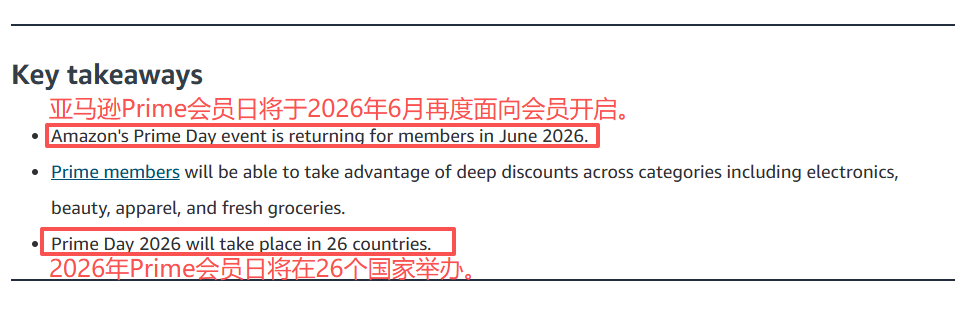
Image source: About Amazon
Seller dilemma: Stocking cycle halved, cost pressure soars
For the majority of sellers, this “schedule advancement” notice is far more than just a change of date. In previous years, Prime Day was usually held in July, but now it has suddenly been moved up to June, meaning the stocking cycle has been forcibly compressed by nearly a month. Entering early May, many sellers are already feeling anxious.
The most difficult issue is the FBA warehousing pressure. The warehousing deadlines for several major sites are set for late May, leaving a very limited shipping window. Tight warehouse space and unstable shipping schedules have become common, with large quantities of goods either still at sea or forced to switch to expensive air freight express channels. Any hesitation may mean missing the traffic entry point of the big promotion.
Meanwhile, logistics costs are rapidly eating into profits. Lightweight small items that originally relied on sea freight to control costs are forced to switch to air channels, with per-item shipping costs rising sharply. To make matters worse, this year Amazon has also tightened the structure of promotional fees and pricing review thresholds. If you blindly stock up, it's easy to fall into the dilemma of “the more you sell, the more you lose.”
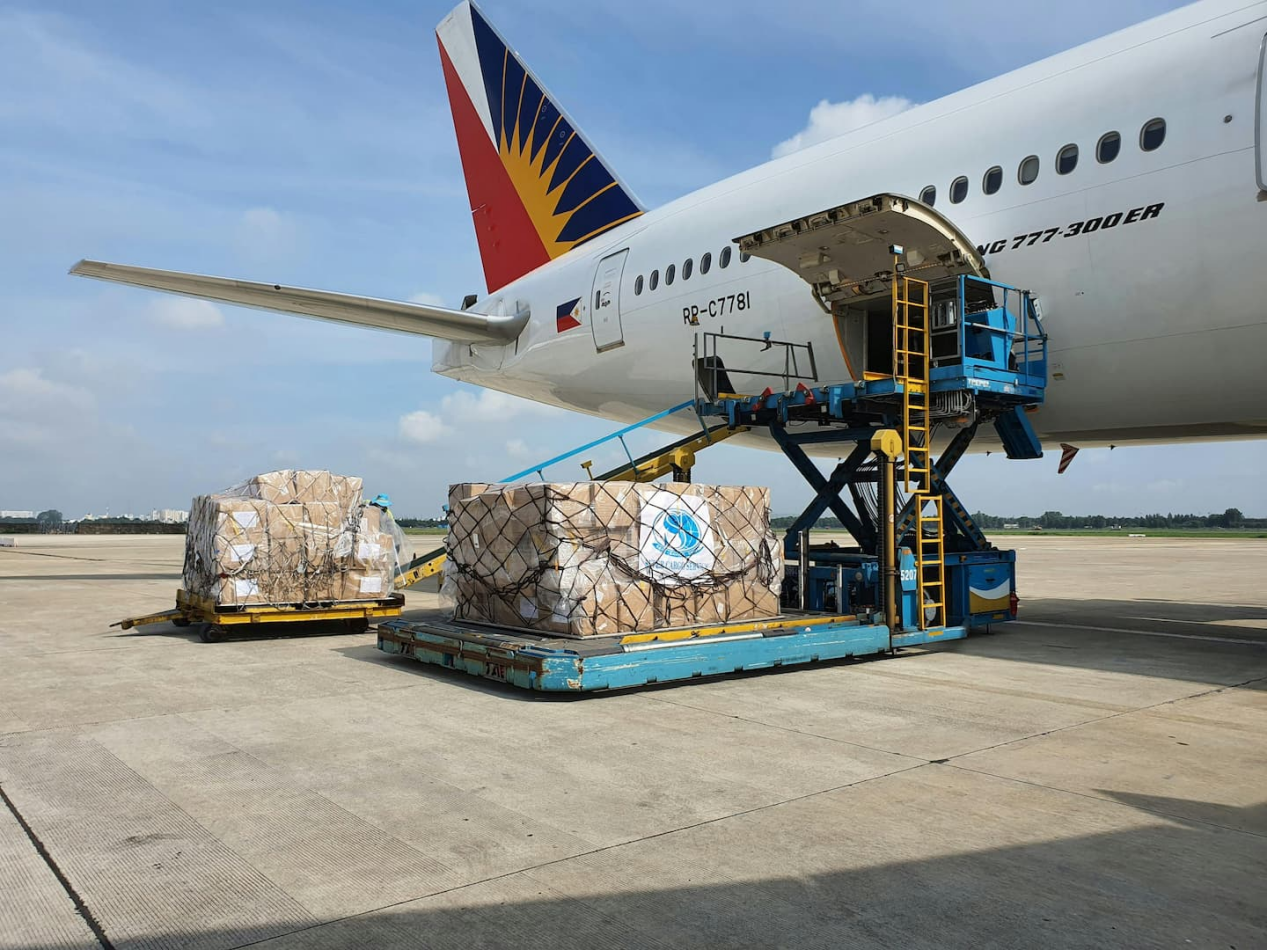
Image source:Global Track Lines
Breaking the deadlock: How to turn the tide amid panic
With the sudden change of pace, complaints are useless. The only ones who can really stabilize the situation now are sellers with strong execution.
1. Make decisive subtractions. Bet all limited warehouse space and budget on the store's core bestsellers, cut slow-moving and low-rated listings. Make good use of Amazon's A+ content quality analysis tools, refine your listings, and protect your profit bottom line.
2. Don't bet on a single logistics channel. May warehouse overload is a foregone conclusion, so it's recommended to use air freight to guarantee bestseller inventory and sea freight to control regular costs. During the big promotion, having stock is king; out of stock means all your efforts are wasted.
3. Don't overlook the hidden opportunity of the Japan site. If you can't compete in Europe and America in June, lay out your plan for the Japan site in July in advance. Use data from the major promotions in Europe and America to review bestsellers and pricing. Staggered stocking can not only reduce costs but also enjoy a wave of blue ocean traffic. While others are fiercely competing in June, you can reap the rewards in July.
Image source: Shutterstock
Final words
Prime Day 2026 is destined to become an important milestone in Amazon's rewriting of global promotion rules.
From the previous unified July start for all, to now a global surge in June and the Japan site going solo in July, the platform is reshaping the promotional rhythm of cross-border e-commerce with stronger and more refined methods.
The era of huge profits is long gone. What truly determines how far a seller can go now is the resilience of the supply chain, sensitivity to data, and execution in the face of sudden changes. In the great wave of competition, those who hesitate and rely on others are eliminated, while those who dare to adjust and are good at coping remain as long-termists.
For every Tuke person, this mid-year exam is both a challenge and an opportunity for a reshuffle.
What this signal means for growth teams
Amazon Prime Day Japan is not only an Amazon retail calendar story. For global brands, the timing creates a wider commerce window where TikTok content, creator seeding, affiliate offers, and paid media can prepare demand before shoppers compare marketplace deals.
Commercial read
- Market signal: TikTok Marketing Information and Solutions
- Published: May 11, 2026
- Commercial lens: TikTok Ads, creators, TikTok Shop, live commerce, and reporting.
- Source transparency: the original source linked in this article
What brands should do next
- Map priority SKUs against Japan demand, margin, inventory, and TikTok content fit.
- Launch creator briefs before the peak shopping window so proof content is ready when search demand rises.
- Prepare TikTok Shop or marketplace landing paths with clear offers, delivery details, and buyer FAQs.
- Use paid media to amplify the creator assets that show product value fastest, then measure ROAS and assisted revenue weekly.
Tuke Marketing helps brands connect TikTok Ads, creator partnerships, TikTok Shop operations, live commerce, and reporting into one accountable operating system.
Why does Amazon Prime Day 2026 Japan matter for TikTok growth?
The shopping window can lift demand across retail channels. Brands can use TikTok creators, paid media, and Shop-style content to influence buyers before and during the Japan campaign period.
Should brands wait for Prime Day before testing TikTok campaigns?
No. Creative testing, creator briefs, offer positioning, and product page improvements should start before the peak period so the best assets are ready for scale.
How can Tuke Marketing help with this market signal?
Tuke Marketing can connect TikTok Ads, creator partnerships, TikTok Shop readiness, live commerce, and reporting into a market-entry plan for brands evaluating Japan or wider APAC demand.
Source transparency: Tuke cites the original source linked in this article and adds its own operating analysis for brands evaluating TikTok growth decisions.